
Is There Beeswax in Some Coffee Beans? What You Should Know
Have you ever wondered, “Is there beeswax in some coffee beans?” Some people ask about it now and then, but the good news is that there’s usually no need to worry.
Why Beeswax Comes Up in Coffee Conversations
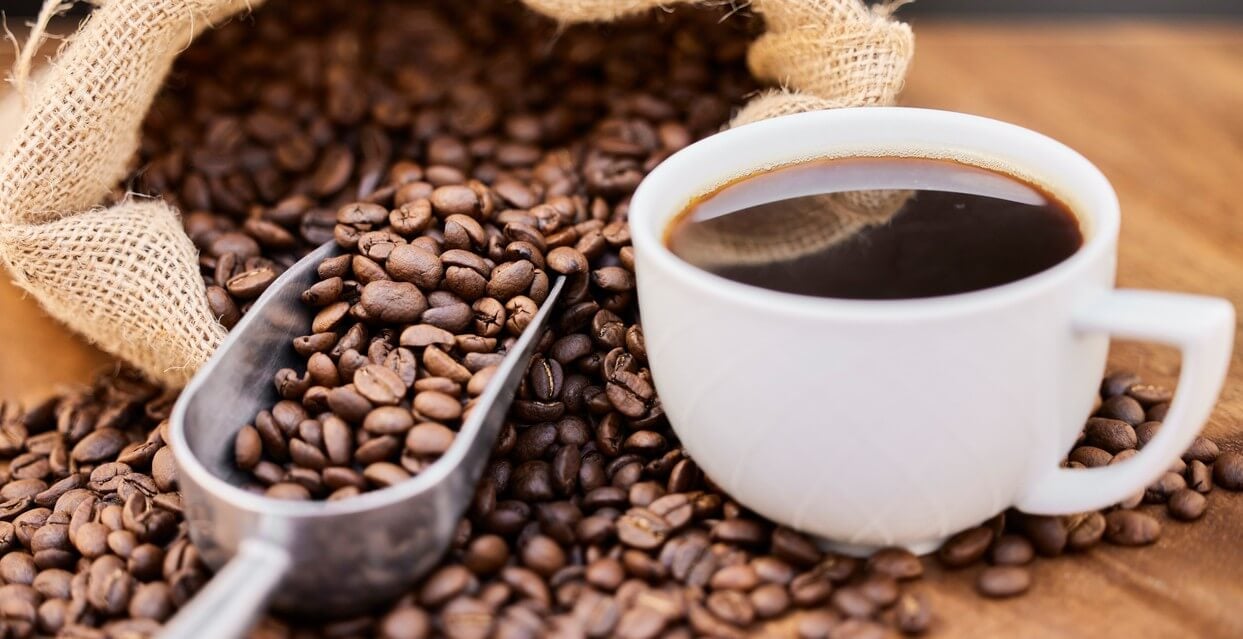
Coffee beans come from a plant, and don’t naturally contain beeswax. However, some rumors have been circulating about coffee producers using beeswax or insect-derived shellac as a glaze.
That said, though old patents and occasional reports mention wax-coated coffee beans, there’s no credible evidence that this practice happens today. The rich sheen you see on roasted beans typically comes from the natural oils released during the roasting process, not from added wax.
What About Shellac?
Shellac comes from hardened resin produced by lac insects. As workers scrape this resin off branches, they often crush the insects in the process. Just as the beeswax rumor, there’s no recent or verifiable proof that coffee producers add shellac to coffee beans.
Is Beeswax Vegan?
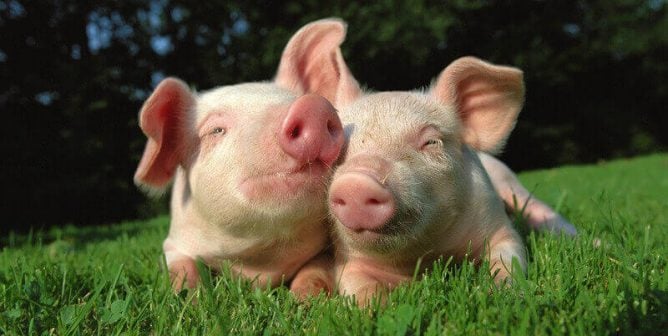
No, beeswax is not vegan. Honeybees produce beeswax to build the combs that rear their young and store their food. Beekeepers obtain the wax by opening the hives and scraping off the wax cappings that seal each cell—or they sometimes remove entire sections of comb.
Because the comb is the bees’ nursery and pantry, taking it forces the bees to rebuild those structures, costing them enormous amounts of energy. To produce just one pound of wax, bees must consume 6–8 pounds of honey, which requires them to visit 12–16 million flowers. Stealing honeycomb also disrupts the hive and risks crushing bees.
Bees are individuals with lives of their own, and they have a right to exist without human interference or exploitation.
How to Keep Your Coffee Kind to Animals
Bee- and beetle-friendly brewing is easy—there’s nothing special you need to do because roasters don’t use beeswax or shellac to coat coffee beans.
While beeswax isn’t a current issue for coffee connoisseurs, Kopi luwak, also called civet coffee, is worth talking about. Producers make it from the beans of coffee berries that have been eaten and excreted (yes, really) by Asian palm civets. Workers often capture these solitary, nocturnal animals from their forest homes and confine them in tiny wire cages where many spin, pace, and bob their heads in distress. Travelers should take note because some tourist shops and cafes—even in the U.S.—sell it without disclosing the cruelty involved.
Here are things we can do:
- Be kind to bees by choosing beeswax-free lip balms, cosmetics, and candles. Every bee-friendly choice we make helps protect these precious pollinators.
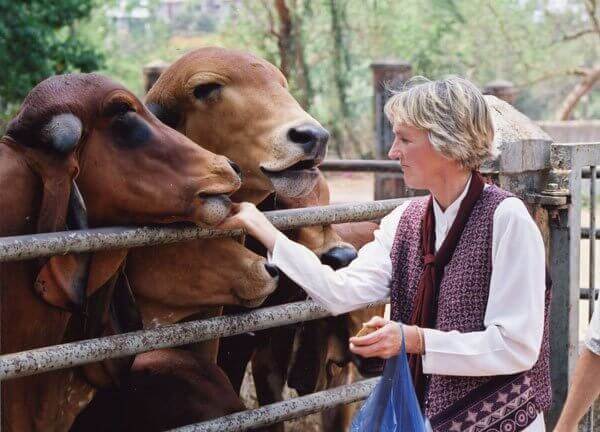
- Choose vegan creamer. Cows, like human moms, produce milk to nourish their babies. In the dairy industry, workers tear calves from their mothers and steal the milk that was meant for them. Separating them causes immense grief for them both.
- Never buy Kopi luwak coffee.
Text VEG to 73822 to get the latest vegan lifestyle tips, recipes, and urgent action alerts texted right to your phone.
Terms for automated texts/calls from PETA: https://peta.vg/txt. Text STOP to end, HELP for more info. Msg/data rates may apply. U.S. only.


It’s family night out, and you’ve landed at BJ’s Restaurant & Brewhouse. If you’re a vegan and you’re wondering, “Is there anything here I can actually eat?”, you’ve come to the right place.

Make room for plenty of favorites like Beyond Meat, Planet Oat, and Violife, along with all your pantry staples.
It’s easy to find a cartload of vegan products at WinCo. One PETA staffer reveals all the vegan goodies he found on a recent shopping trip to WinCo.
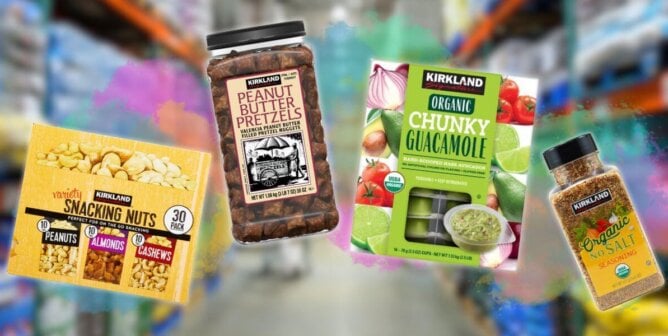
Stock up on vegan staples at Costco with this easy guide.