Should I Get My Bird’s Wings Clipped?
Birds are born to fly, period. There is no good reason to clip a bird’s wings, because there’s zero reason to keep a bird captive in the first place. Clipping is almost always about control. It’s done to make birds “easier” to handle, “quieter,” or less “troublesome”—a selfish attempt to domesticate someone who was never meant to live behind bars.
What Happens When a Bird’s Wings Are Clipped
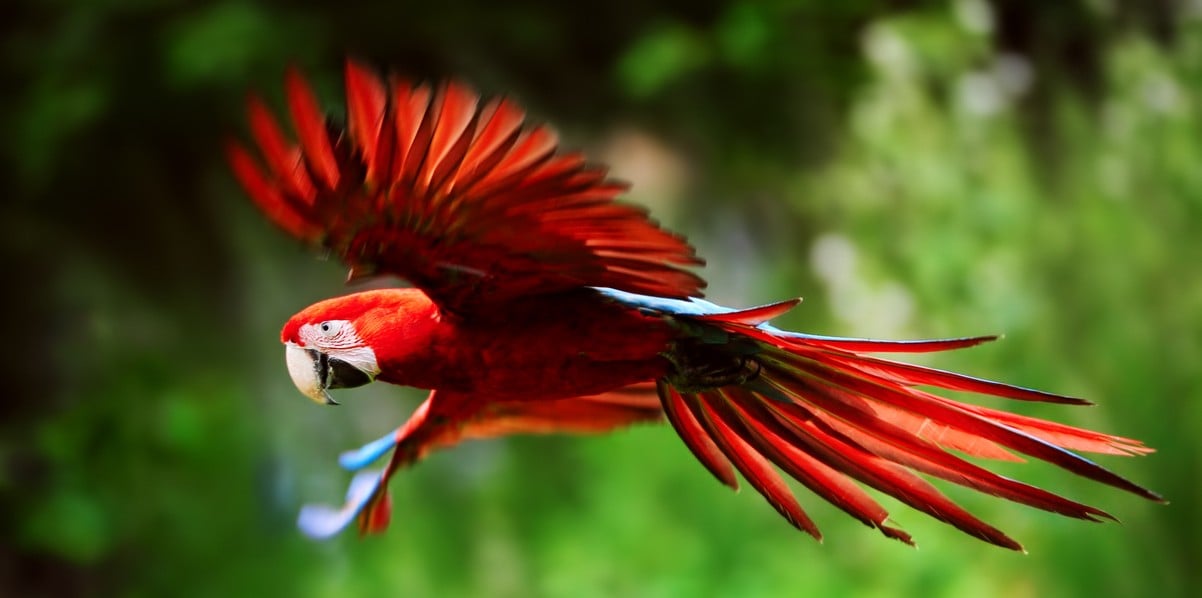
When someone cuts a bird’s wings, the feathers that help them balance, steer, and lift into the air are removed or shortened. That can cause physical harm:
- Injury from falls. Without their flight feathers, many birds lose coordination and crash when they try to fly, often fracturing bones or damaging their beaks.
- Chronic anxiety. Flight is a bird’s instinctive way to escape danger. When someone takes that freedom, fear takes its place.
- Muscle atrophy and poor circulation. Birds use their wings for exercise just as humans use their legs. Without flight, their bodies weaken.
- Feather-plucking and self-harm. Deprived of stimulation and control, many birds resort to pulling out their feathers or biting themselves.
The Emotional Cost on Birds Whose Wings Are Clipped
Imagine that someone of another species forces you to live in captivity and then cuts off your feet. That’s life for birds whose wings are clipped. Their world shrinks to cold bars and perches—and their once-bright spirits dim under the weight of confinement and mutilation.
It should come as no surprise that many captive birds spiral into despair. They become anxious or self-destructive, pulling out their own feathers, biting their skin, pacing, bobbing, and throwing up in endless frustration. Some shake uncontrollably or collapse from stress. Even when they’re rescued and finally given space to move and explore, the scars remain.
Birds are clever, social beings. Parakeets flock in large groups to confuse predators and blend in with the green foliage, using their beautiful feathers to hide among leaves. Parrots forage for seeds, fruits, and insects while talking to each other. No cage in someone’s living room could ever replace the sky for these birds.
Since humans often believe birds as only “manageable” when someone cuts off their feathers, it is clear that they are never meant to be owned. Birds are not decorations, entertainment, or toys—they’re individuals whose rightful home is outside.
Love Is Not Ownership
If you love birds, the kindest thing you can do is admire them where they belong: nature. So, buy a pair of binoculars and download a birding app like Merlin to learn about bird songs.
And if you already live with a bird, give them the largest, most enriching space possible, preferably with a large, secure flight aviary that allows them to fly without risk of predation or getting lost, and make sure they are receiving adequate nutrition, socialization, and veterinary care. For more information on birds as companions, please visit the Avian Welfare Coalition’s website at AvianWelfare.org.
If you or a friend or family member already has birds and is unable to meet their needs, please consider the following options:
- Call your local animal shelter to ask whether the facility is equipped to take in birds; some shelters are capable of caring for and placing birds in appropriate adoptive homes.
- Find out if there is a reputable bird sanctuary or large indoor/outdoor aviary to which you can surrender the bird.
- If you cannot find a reputable sanctuary, consider placing the bird with someone who has other birds of the same species, allows them to live in a free-flight situation, and will never separate them once they have bonded. Also, make sure that they use a board-certified avian veterinarian and do not breed birds.
And please, never buy a bird! Buying birds contributes to a vicious cycle of disease and abuse. To appreciate birds without contributing to this cycle, consider creating your own backyard sanctuary.
Text VEG to 73822 to get the latest vegan lifestyle tips, recipes, and urgent action alerts texted right to your phone.
Terms for automated texts/calls from PETA: https://peta.vg/txt. Text STOP to end, HELP for more info. Msg/data rates may apply. U.S. only.



Meet Liora, the sweet-spirited dog who went from living life at the end of a chain to a safe home.
Whether you’re lounging at home, running errands, or meeting up with friends, the Blondita x PETA Friends of Animals Club collection is the perfect fit!

The comedy legend transforms into your “two-pack-a-day Aunt Doris” to call out a greedy industry.
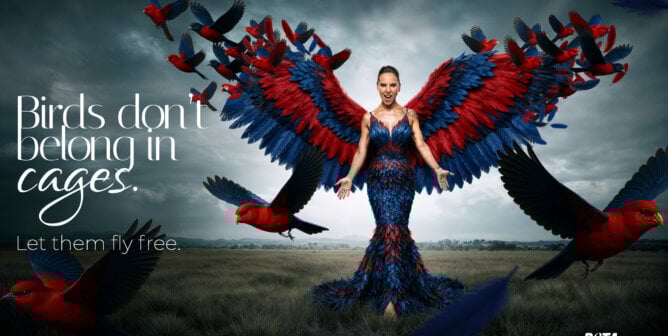
The internationally renowned actor is flying in with an important message.