
Tick Season Help for Dogs: What Every Guardian Needs to Know
Tick-related emergency room visits are on the rise. Whether heading into the woods for a hike or simply spending time in your backyard, ticks are virtually everywhere and pose serious health risks to both you and your canine companion. Here’s what you need to know about tick season help for dogs, including how long it lasts, how to protect your dog, and how to remove ticks quickly and safely.
What Are Ticks?
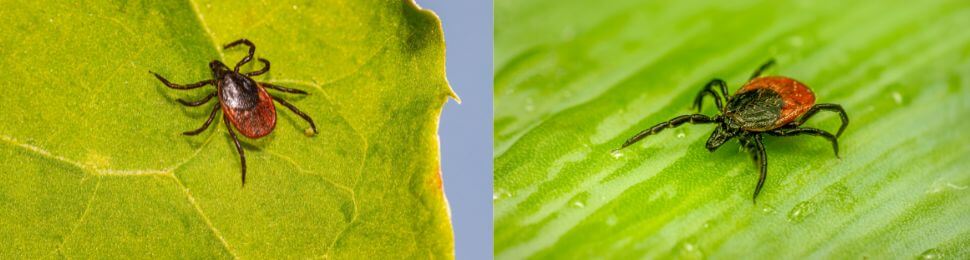
First, let’s talk about who ticks are. Ticks are tiny arachnids who, like all living beings, have a place in the natural world. Ticks often wait on grass tips in a posture called “questing,” where they cling with their back legs and stretch out their tiny front legs to latch onto passing animals, then climb aboard to find a suitable spot to feed. They locate hosts by sensing breath, body heat, moisture, and movement. As interesting as they are, ticks can spread disease, and we need to protect our canine companions from them.
What Diseases Can Ticks Transmit to Dogs?
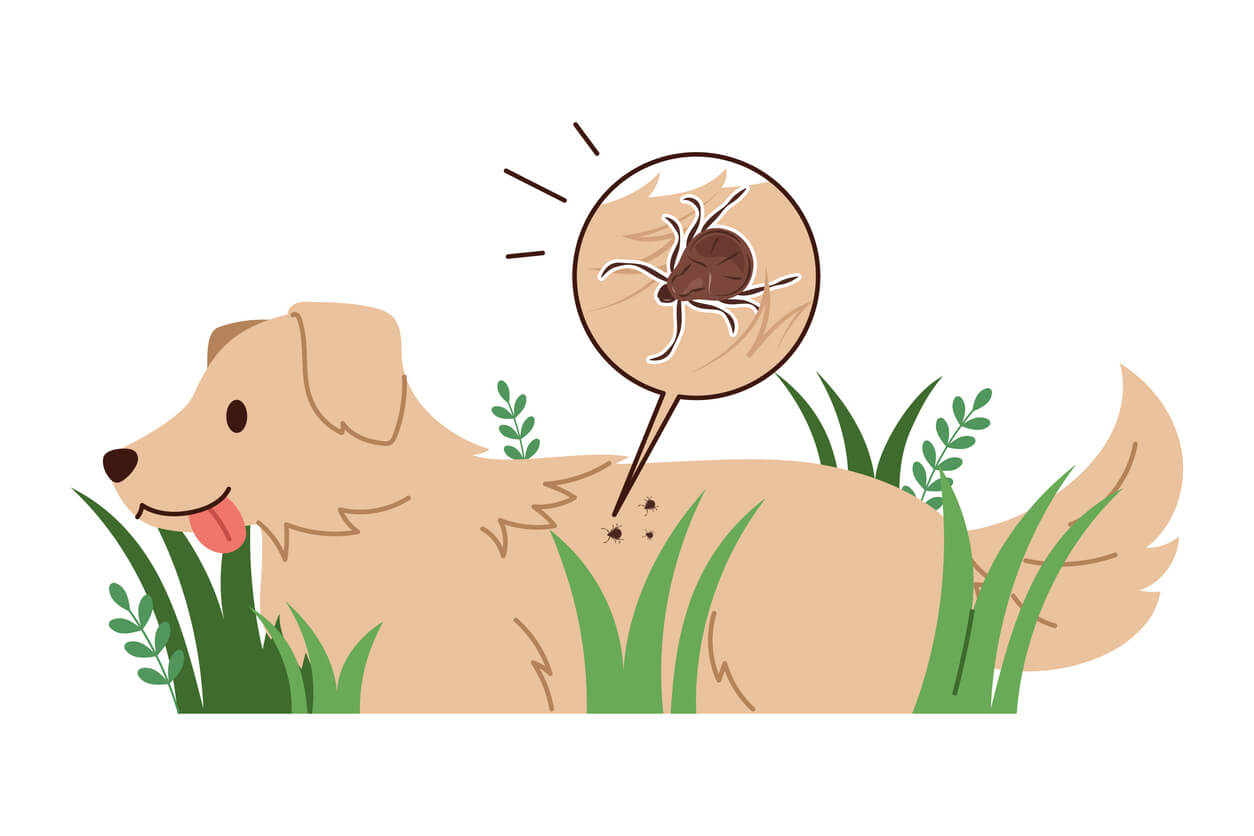
Here are some of the most common tick-borne diseases in dogs. If you notice any of these symptoms, contact your veterinarian immediately.
- Lyme disease can cause joint swelling and kidney disease.
- Anaplasmosis can cause lameness, fever, lethargy, and anorexia.
- Ehrlichiosis can cause fever, loss of appetite, and bleeding disorders.
- Rocky Mountain spotted fever can cause fever, joint pain, and in severe cases, death.
How Long Is Tick Season for Dogs?
Tick season varies by location but typically occurs from April through October. It’s important to note that ticks can be active year-round in warm climates. Ticks are busiest between 6:00 a.m. and 12:00 p.m., but some are still up and about until late evening.
What Can I Do to Stop My Dog From Getting Ticks?
Preventing tick bites begins with a tidy yard and the right products.
- Keep your grass cut and yard clean. Ticks prefer moist, shady areas. Mow your lawn regularly, trim bushes, and remove leaf litter where ticks might hide.
- Use a veterinary-prescribed tick preventative. These come in several forms, including oral medications, topicals, and collars. Your veterinarian can help you choose the best tick prevention for dogs based on their health and lifestyle. Do not use over-the-counter medications without first discussing them with your veterinarian.
- Perform a full-body check when your dog comes in from outside, starting with their ears and working your way to the tip of their tail. Ticks may crawl around their host’s body for several hours looking for an ideal feeding spot, so you may be able to remove them before they bite.
- Avoid places where ticks are common, such as tall grass, heavily wooded areas, swampy locations, or moist, shady places.
How to Get Rid of Ticks Fast on Dogs
If you find a tick on your dog, it’s important to carefully remove them as quickly as possible. The longer a tick is attached, the more likely they are to transmit disease. Here is a step-by-step guide to removing ticks from dogs:
- Confirm it’s a tick. Skin tags and moles can resemble ticks.
- Wear gloves to protect yourself.
- Distract your dog with a favorite toy or treat.
- Use fine-tipped tweezers or a special tick removal tool.
- Grasp the tick as close to the skin as possible.
- Pull upward slowly and steadily—don’t twist or yank.
- Clean the area with a dog-safe disinfectant or soap and water once the tick is out.
- Watch for symptoms for several weeks following a bite. These include fever, lethargy, sore joints, swollen lymph nodes, appetite loss, and paralysis. Remember, it’s important to contact your veterinarian if you notice any of these symptoms.
What Not to Do
- Do not crush the tick with your fingers. Doing so increases the risk of spreading dangerous germs.
- Do not burn, use petroleum jelly, or cover the tick with nail polish while attached, which can result in them injecting infected saliva into your dog.
Dogs count on their guardians to keep them happy and healthy. By using the right preventative, avoiding grassy, swampy areas, and maintaining a tidy yard, you can help your dog enjoy a tick-free summer.

Did you know that some owners chain or pen their dogs outside 24/7 in all kinds of weather? Many of these “backyard dogs” don’t have adequate food, water, or shelter, let alone parasite protection. Please help these dogs receive the care they need and deserve.

Text VEG to 73822 to get the latest vegan lifestyle tips, recipes, and urgent action alerts texted right to your phone.
Terms for automated texts/calls from PETA: https://peta.vg/txt. Text STOP to end, HELP for more info. Msg/data rates may apply. U.S. only.



Meet Liora, the sweet-spirited dog who went from living life at the end of a chain to a safe home.

Whether you’re lounging at home, running errands, or meeting up with friends, the Blondita x PETA Friends of Animals Club collection is the perfect fit!

The comedy legend transforms into your “two-pack-a-day Aunt Doris” to call out a greedy industry.

The internationally renowned actor is flying in with an important message.