

Do Cockatiels Make Good Pets? The Honest Answer
Have you ever wondered, “Do cockatiels make good pets?” They don’t, and even referring to them as “pets” frames them as property rather than living beings with their own needs and desires. Birds should never be forced to live inside our homes or in cages.
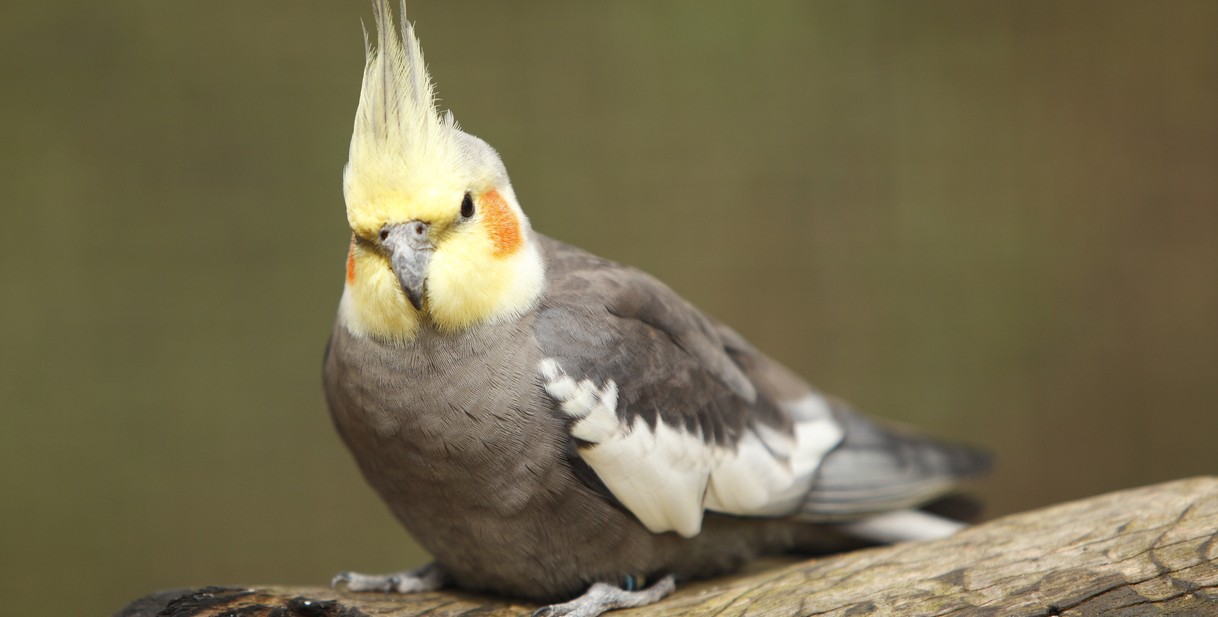
Cockatiels weren’t designed for confinement, clipped wings, or corners of living rooms. In nature, these small, determined birds slice through the air at speeds of up to 40 miles per hour. They form deep social bonds and rely on soft communication with their flock. Flight shapes their entire lives. Take it away, and you remove what makes them who they are.
Cockatiels—and all birds—are not decorations or playthings. They are individuals with the right to live a life that is meaningful and fulfilling to them.
Life in a Cage Is No Life at All
Cages cause profound physical and mental issues for birds. Free cockatiels spend hours chewing, exploring, and foraging—instincts that captivity can’t satisfy, no matter how many toys or perches they have. Birds in cages often:
- Pace or scream for hours on end
- Pluck out their own feathers from stress
- Suffer crushing loneliness, even with a partner
- Show signs of psychological distress, like swaying or collapsing
- Become withdrawn or aggressive
Even an entire room is just a tiny fraction of the world a bird was meant to explore. Letting them out for a few minutes—or a few hours—doesn’t fix the problems captivity creates.
Buying Birds Supports Suffering
Breeders supply nearly all the cockatiels sold in stores. These greedy people treat birds like egg-laying machines and keep them in cramped cages. Then the breeders remove babies from their mothers long before they are ready to leave, forcing them to bond to humans instead of their parents. The result? Generation after generation of animals who will never know their own families or freedom.
In some cases, smugglers capture these feathered animals and transport them in tubes or boxes so small the birds can barely breathe. Many die before they arrive at their destination.
Abandonment Is Common for Cockatiels
Captive cockatiels can stay alive for 30 years or more, spending decades in conditions that don’t meet their needs. Guardians who grow tired of the noise, mess, and emotional demand often surrender these birds to shelters, pass them from home to home, or banish them to back rooms, garages, or basements. Some people even release them outdoors, where they have almost no chance of surviving.
Choose Compassion Over Captivity
You can live in harmony with birds by:
- Supporting accredited organizations that care for birds already trapped in captivity
- Creating a bird-friendly garden with native plants and clean water
- Helping others understand why keeping birds in cages is cruel
- Refusing to buy birds, ever
If You Insist on Sharing Your Life With a Bird
Please do not buy one. Research every aspect of their care, then adopt a pair from a shelter. Cockatiels require specific diets, safe environments, specialized lighting, hard-to-find, expensive veterinary care, and hours of attention every single day. Choosing to live with them means dedicating yourself to decades of careful, deliberate care. But even the largest, fanciest home aviary is nothing compared to their natural habitat.
Take action for birds and other animals in roadside zoos, where they routinely endure cramped, filthy conditions and emotional turmoil from constant noise and handling.
Text VEG to 73822 to get the latest vegan lifestyle tips, recipes, and urgent action alerts texted right to your phone.
Terms for automated texts/calls from PETA: https://peta.vg/txt. Text STOP to end, HELP for more info. Msg/data rates may apply. U.S. only.



Meet Liora, the sweet-spirited dog who went from living life at the end of a chain to a safe home.

Whether you’re lounging at home, running errands, or meeting up with friends, the Blondita x PETA Friends of Animals Club collection is the perfect fit!

The comedy legend transforms into your “two-pack-a-day Aunt Doris” to call out a greedy industry.
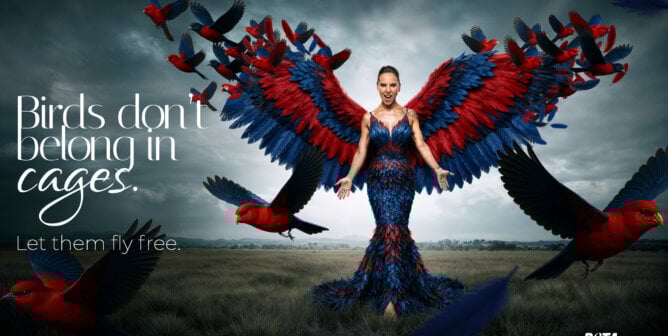
The internationally renowned actor is flying in with an important message.

