

PETA responds to the new Netflix docuseries “Tiger King: Murder, Mayhem and Madness.” Learn more about the ways tiger cubs suffer for entertainment.
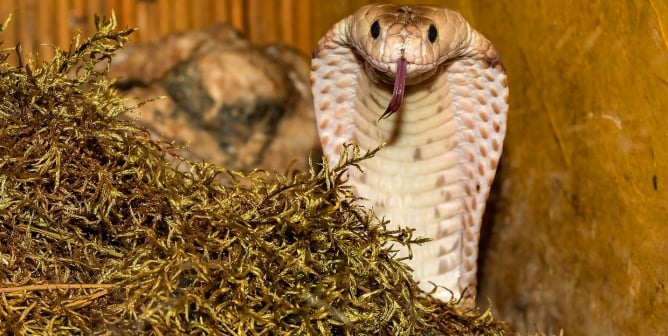
What can a snake do after falling into a well? Would passing humans put their speciesism aside and help this struggling living being in peril?

Two recently published studies point toward the most likely origin of the COVID-19 pandemic: a live-animal market in Wuhan, China.

Vaccine trials for COVID-19 are already underway in humans, yet experimenters still want to perform tests on monkeys. Tell Air France not to play this game.
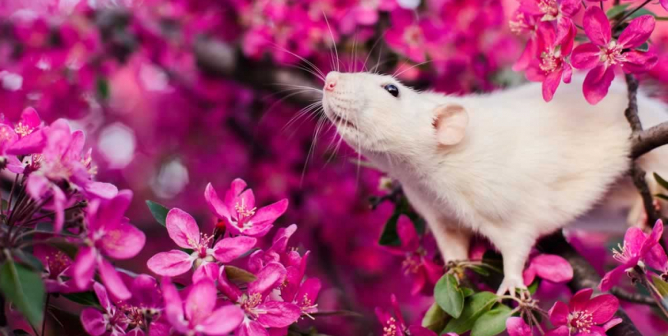
As animals are commonly used and killed in inhalation tests, the exciting development of this 3-D lung model has the potential to save tens of thousands of lives.

When a California man shot a trapped coyote in the face more than a dozen times, one couple caught it all on camera. Thanks to their quick action, the killer was convicted of cruelty to animals.

If spring breakers in Florida were somehow still looking for a sign that the coronavirus pandemic should be taken seriously, PETA just gave it to them.

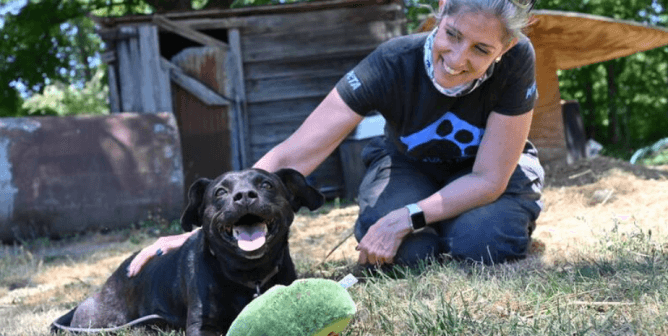
Wayne was suffering, chained up in cold weather 24/7—but then PETA stepped in to help. Now he’s groomed, enjoying loving care, and eager to meet a kind, patient new guardian.
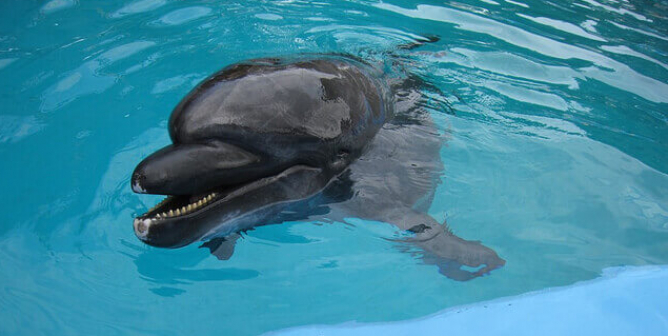
SeaWorld is closed because of the coronavirus, but it should’ve closed long ago for cruelty. Tell the park not to reopen until all the dolphins and whales are released to seaside sanctuaries.

After hearing from PETA how bottlenose dolphins, orcas, and other marine animals suffer in captivity, Snickers officially ended its SeaWorld sponsorship.
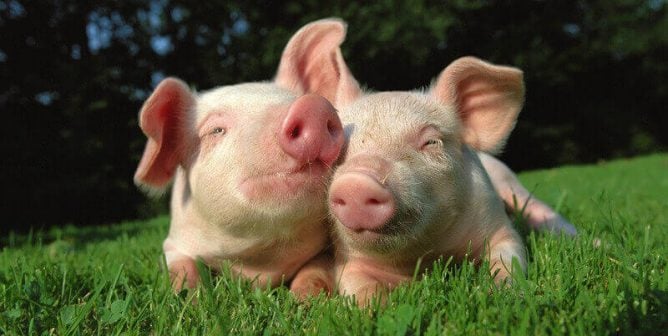
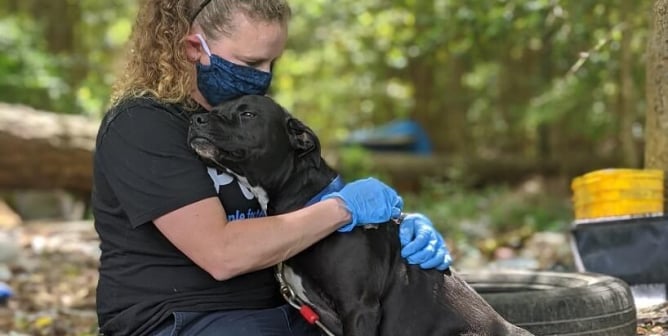
What do a tethered king, an ailing queen, Zeus without his palace, and a goose with a broken wing all have in common? Our field team was there for them when no one else was.

PETA friend Alec Baldwin urges NYC’s mayor to stop horse-drawn carriage rides after drivers were filmed handing tourists reused blankets amid coronavirus pandemic.

As COVID-19 spreads, PETA is urging the public to cut off animal-borne pathogens like the coronavirus at the source. See the “cheeky” way we’re spreading the word.
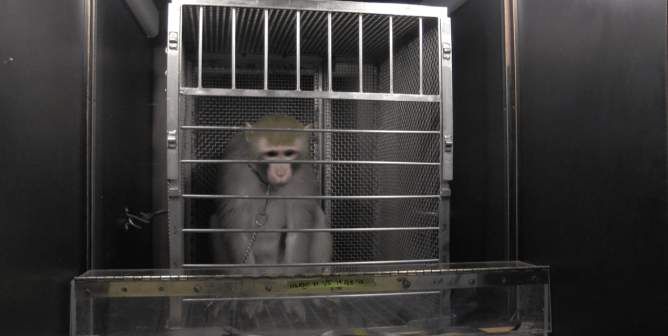
While Americans wait for cures for deadly diseases, the National Institutes of Health is sucking out parts of monkeys’ brains and then scaring them with fake snakes and spiders.
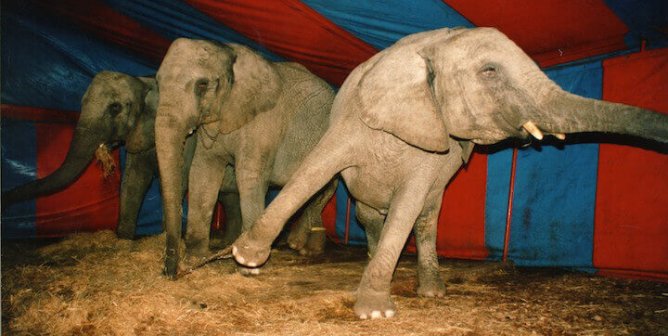
To help Americans cope with fear and anxiety over COVID-19, PETA is offering something to smile about: Fewer animals are being abused for entertainment.