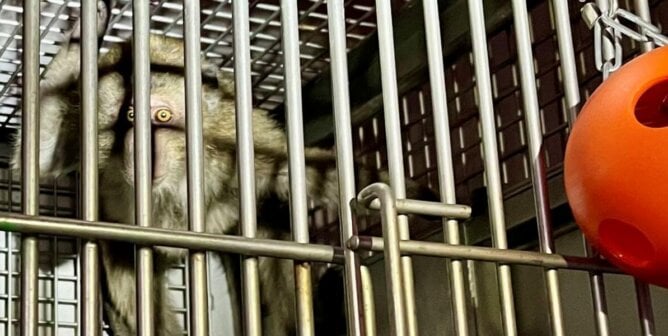
The Florida Fish and Wildlife Commission has charged the president of BC US with a misdemeanor after a recently imported monkey was tossed into a dumpster and went unnoticed for five days.

The world is mourning Dr. Biruté Galdikas, a tireless champion for our fellow primates and their forests.
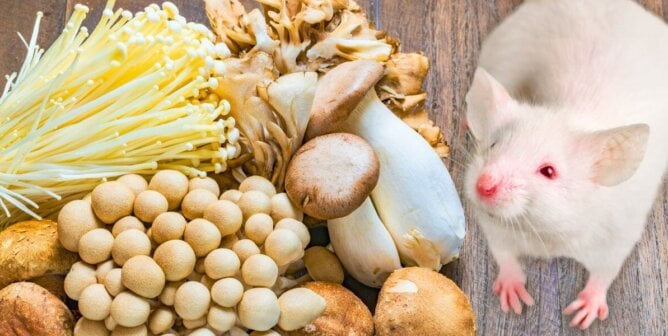
PETA continues to save animals and end cruel experiments. Learn which mushroom company just ended tests on animals after hearing from us.
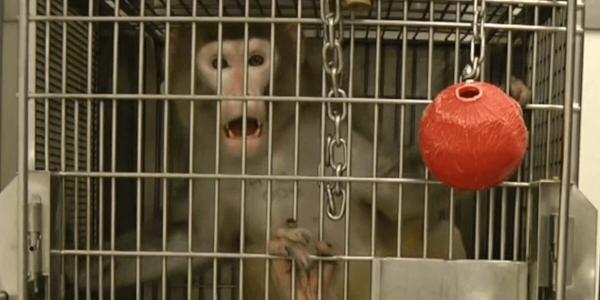
After leaving a live baby monkey in a cooler, Washington National Primate Research Center leaders think they can solve their problems with a name change.
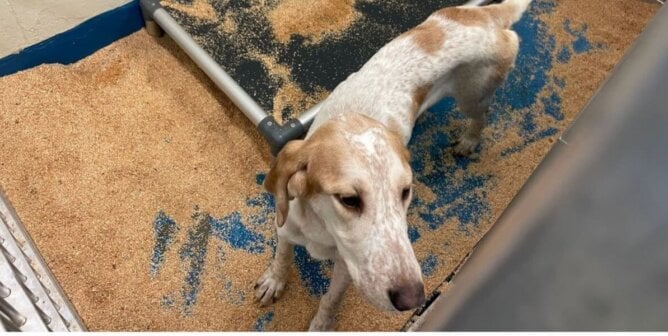
In a University of Massachusetts Chan Medical School laboratory, dogs endure painful procedures to create artificial aneurysms, are repeatedly sliced open, and ultimately killed.
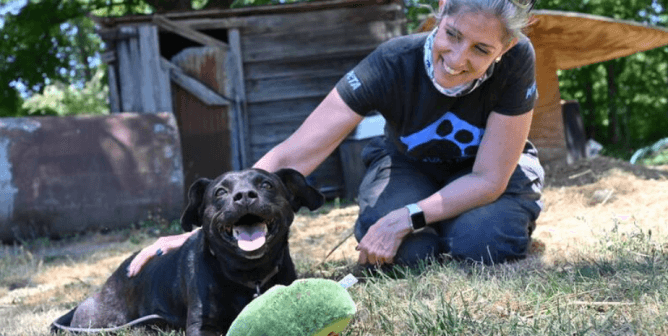
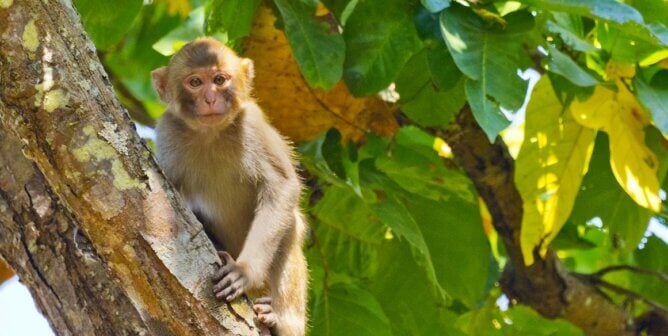
After intense pressure from state legislators, PETA, and thousands of Oregonians, the taxpayer-funded Oregon National Primate Research Center explores transition to a sanctuary! See how this great progress came about.
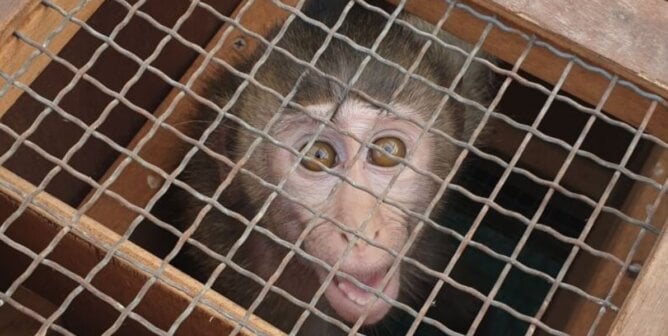
A PETA complaint prompted action from the U.S. Department of Agriculture, but other agencies still lag in response to the monkey’s death, which calls for further action.
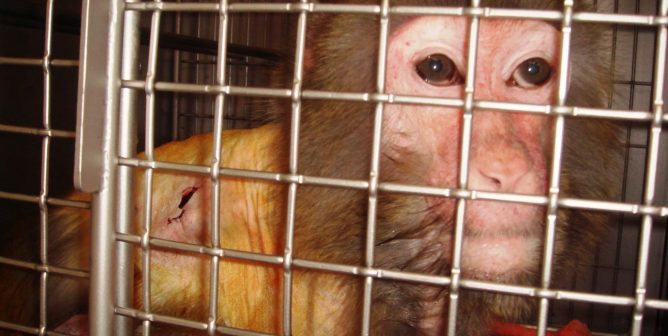
The Oregon National Primate Research Center is one vote away from stopping all experiments on monkeys and exploring turning the facility into a sanctuary. See how you can help!
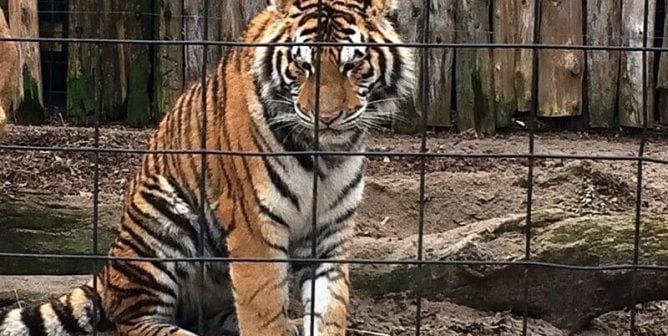
Find out how we’re pushing for accountability and transparency in the state.

With great pleasure, PETA scientists made a critical step forward in making personal lubricants cruelty-free!
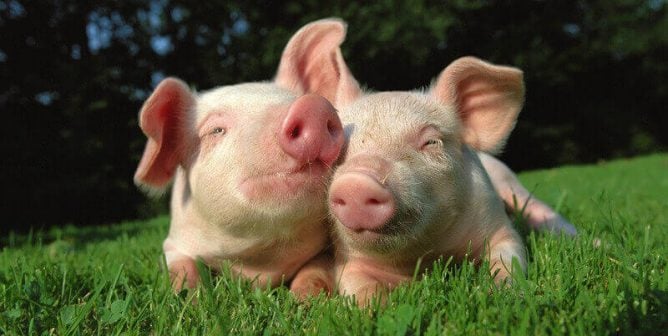

EPA published support for non-animal methods, encouraging companies to move away from the unreliable rabbit test to assess industrial chemicals for skin irritation.
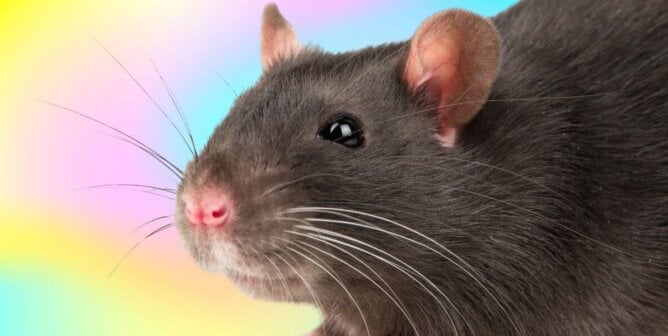
PETA secures another major win for animals abused in laboratories as a Taiwanese government agency prioritizes non-animal testing for food products.
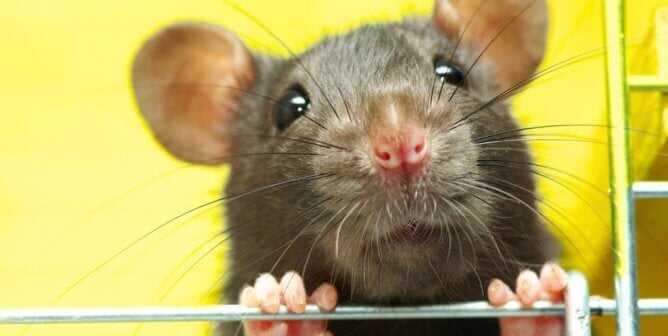
Victory! QTrade Teas & Botanicals has pledged to stop cruel experiments on animals after hearing from PETA.
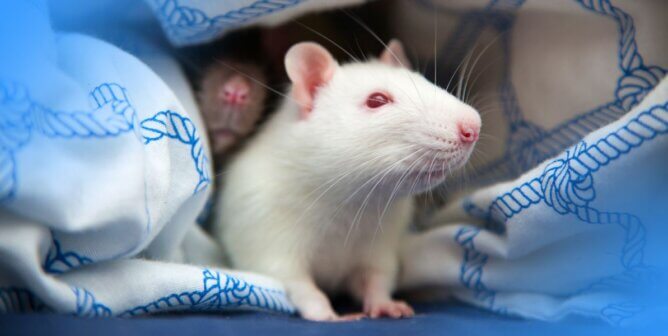
The EPA recommitted to prioritizing reliable and human-relevant non-animal tests. PETA scientists are helping on the path towards animal-free science.
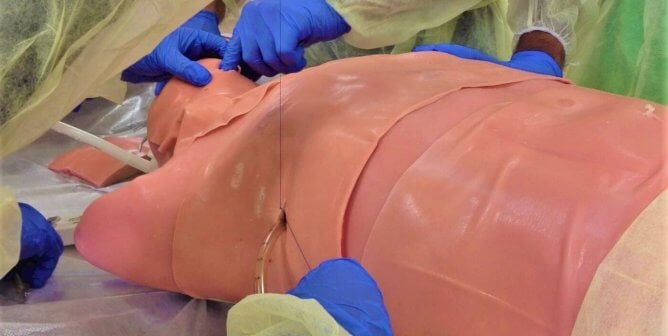
PETA has donated more TraumaMan human simulators, this time to a national trauma program in Saudi Arabia. Find out how this will help goats, sheep, and humans.