
Follow These Steps to Free Animals Stuck to Glue Traps, Then Tell Businesses to Stop Selling These Vile Devices!
Drawn by the smell of a tasty treat, small animals like mice, rats, birds, reptiles, and insects unknowingly scurry into the clutches of a painful, slow death. Their feet, wings, bodies, toes, and even faces become hopelessly stuck in the sticky substance of glue traps.
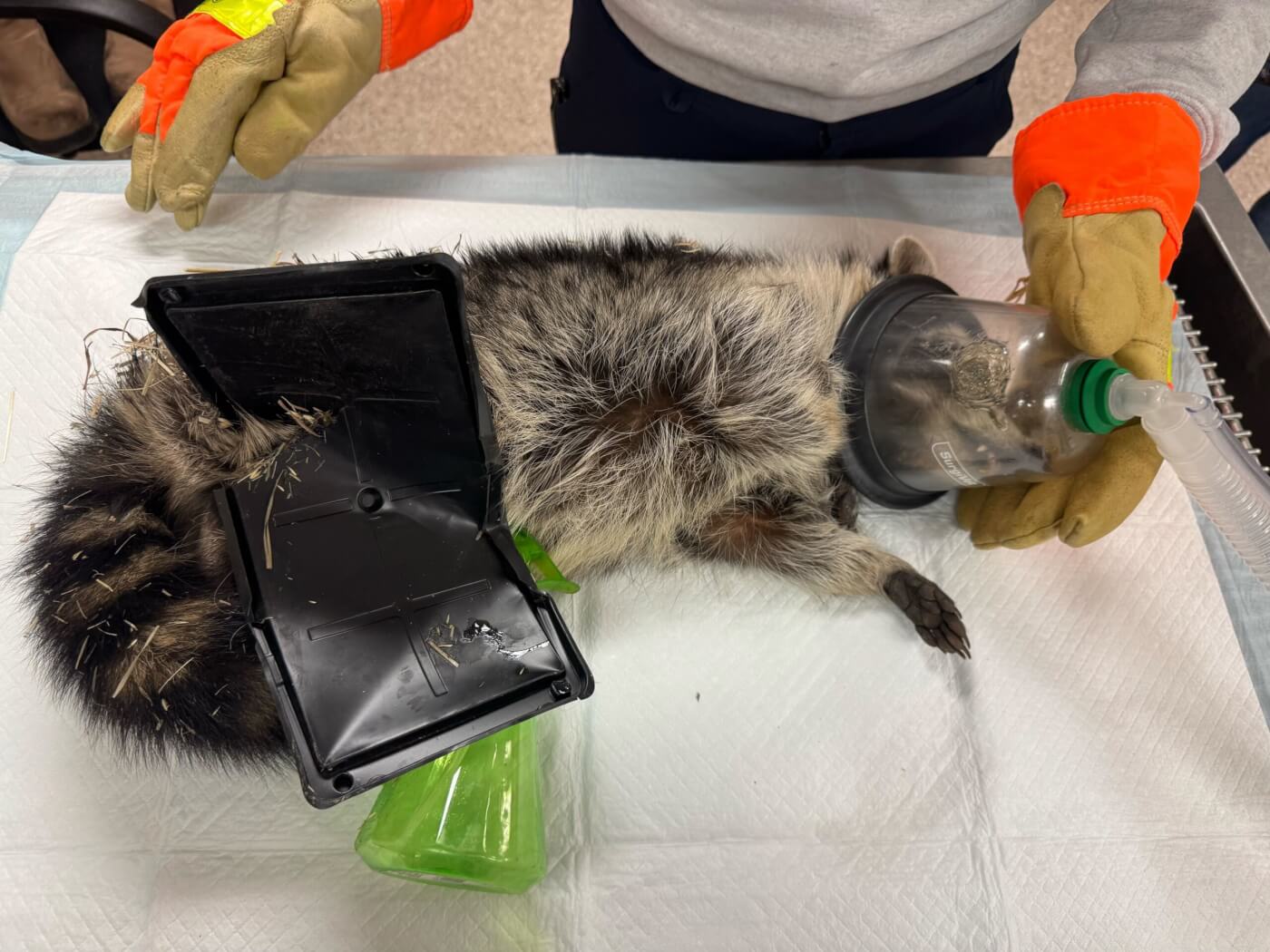
Some frantic animals attempt to escape, tearing off skin and chewing off their legs, trying to get free. Others suffocate when their noses and mouths become stuck. As the instructions on glue traps typically direct buyers to throw the devices—along with their ensnared victims—most glue-trapped animals die of starvation or dehydration, which can take days. All this suffering, just for existing in a place where humans deem them unwelcome.
What to Do if You Find an Animal Stuck on a Glue Trap: Contact a Wildlife Rehabilitator, Veterinarian, Humane Society, or, if All Else Fails, PETA
The best thing to do if you find an animal stuck in a glue trap is to contact an expert. If you’re unable to locate a licensed wildlife rehabber or veterinary clinic to render aid, contact PETA for guidance at 757-622-PETA (7382). Before transporting the animal, cover the remaining sticky areas with tissues, dirt, corn starch, or breadcrumbs. Then, put the animal in a securely closed box with a few holes for ventilation and keep them warm in a quiet space on the way to the rehabilitation center or veterinary clinic.
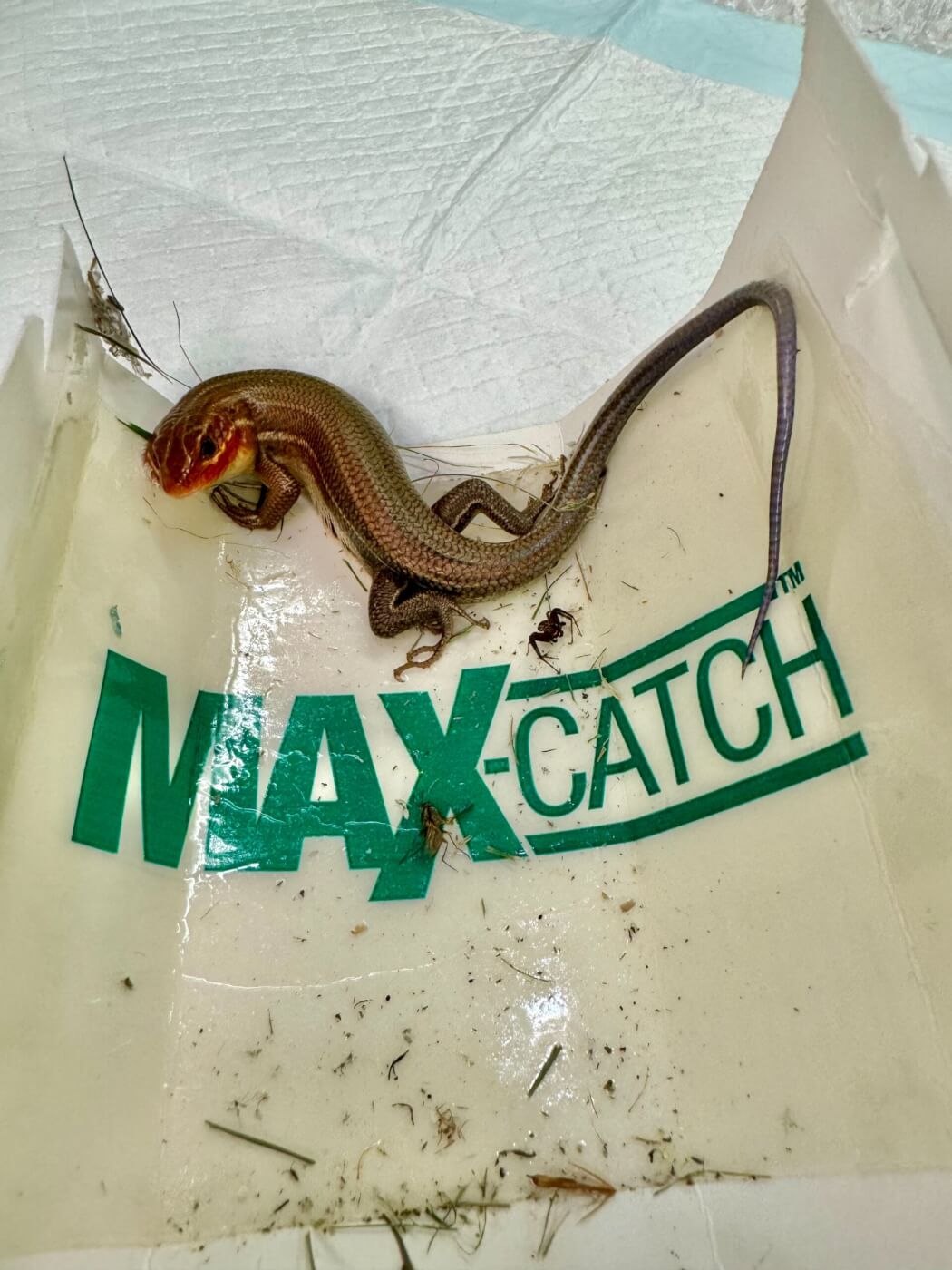
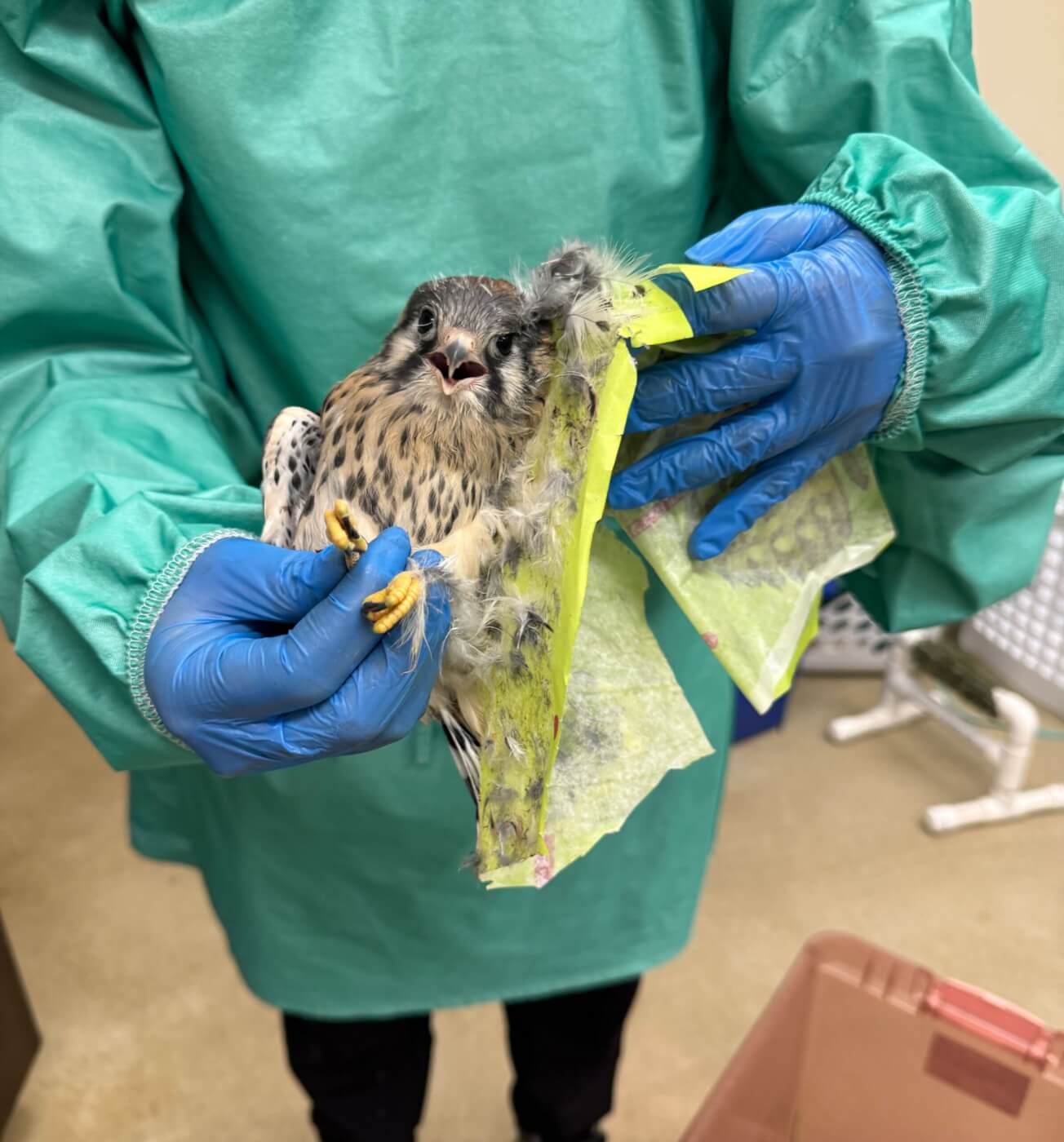
Please, NEVER try to remove the animal from the glue trap yourself! If brought to a wildlife rehabilitator, animals are far more likely to recover if the finder refrains from attempting to remove them. Their chance of survival drops significantly if they are removed without professional expertise, as well-intended laypeople often unknowingly cause catastrophic damage. For example, oil (which people often use to neutralize the adhesive) destroys birds’ feather structure, rendering them flightless and at risk of hypothermia if released without receiving expert care and rehabilitation. Mammals like mice, squirrels, and rats will groom and lick oil off themselves and ingest it—putting them at serious risk of pancreatitis and other life-threatening issues that will likely kill them within a day or so. Reptiles and amphibians have fragile skin and bones, and often end up with lacerations and internal injuries that we cannot see with the naked eye. Please contact PETA right away if you’re unable to find an expert who can help you.
Please take these steps to help end the suffering caused by glue traps
1. Teach Others That Glue Traps Are Cruel
If you discover that your local grocery or hardware store is selling glue traps—or a business or property manager is using them—educate the person in charge about the violent suffering that these devices cause. Suggest using alternative methods, and have your friends and family speak up, too. Need help? Use our sample letter.
Many companies and organizations, including CVS, Walgreens, Rite Aid, and the New York City Police Department, have sworn off glue traps, thanks to caring consumers like you.
2. Throw Away Glue Traps When You See Them
If you see a glue trap without any animals already stuck to it, fold it in half and throw it away. To ensure no animals will get trapped in the garbage, make sure no sticky areas are exposed.
3. Share the Truth About Glue Trap Cruelty
Share this video with everyone you know and ask them to promise never to use glue traps. Explain to them that mice, rats, birds, reptiles, and other animals are capable of a wide range of emotions. Much like humans, they form tight bonds, love their families, and enjoy playing, wrestling, and sleeping curled up together.
Furthermore, the Centers for Disease Control and Prevention actually warns against using glue traps because of the risk of exposure to pathogens—such as hantavirus—found in rat and mice feces.
4. Evict Rodents Humanely
If any rodents need to be removed from a home, please check out these humane rodent-control methods.
Have a glue trap victory to share? Need help educating others? We want to hear from you! Write to us at [email protected].