
State Laws That Protect Animals Left in Hot Cars and Their Rescuers
On a 78-degree day, the temperature inside a parked car can soar to 100 degrees in just minutes, and on a 90-degree day, the interior temperature can reach as high as 109 degrees in less than 10 minutes. Dogs—who can sweat only through their paw pads and cool themselves by panting—can rapidly succumb to heatstroke, even if a vehicle is parked in the shade with the windows slightly open, which has little to no effect on lowering the temperature inside.
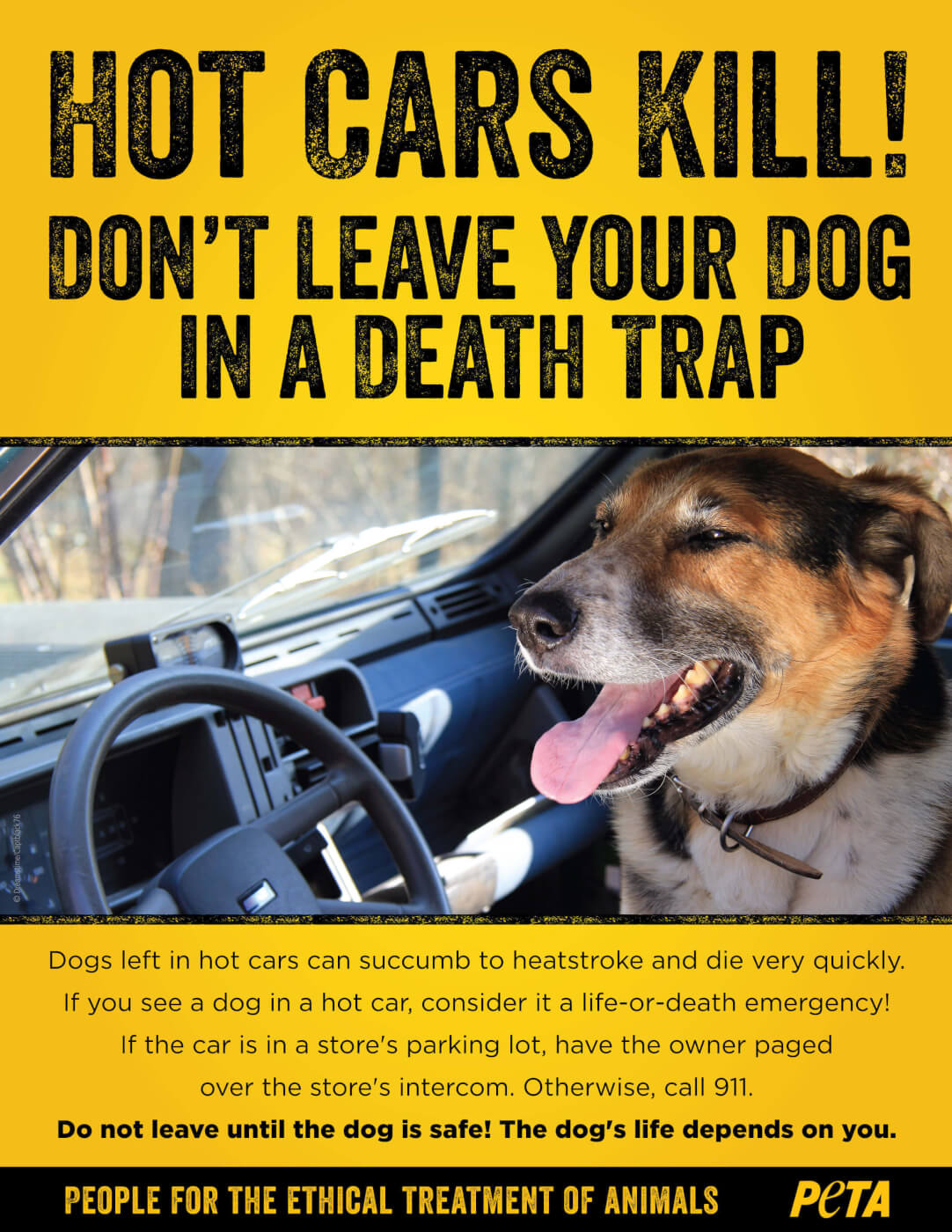
That’s why it’s imperative that anyone who sees an animal left in a car on a warm day take action immediately to save the animal’s life. Time is a luxury that those suffering in hot cars don’t have. If you can’t locate the owner and authorities are slow in responding, you may need to break into the vehicle to rescue the animal. Fortunately, many states have good Samaritan laws that protect rescuers from criminal charges or civil lawsuits.
Here are the state laws on animals in hot cars and their rescuers.
Alabama: There is a proposed law that would prohibit leaving a domestic animal in a motor vehicle in a manner that creates an unreasonable risk of injury or harm as well as a proposed good Samaritan law, which would give criminal immunity to any rescuer and criminal and civil immunity to a public safety official.
Alaska: There are no laws currently on the books.
Arizona: It’s illegal to confine a companion animal—including mammals, reptiles, birds, and amphibians—in a manner that endangers their health or safety. If a person has attempted to locate the owner of the vehicle and contacted authorities, they can break into a vehicle to rescue an animal in distress and can’t be subject to civil action to collect damages.
Arkansas: There are no laws currently on the books.
California: It’s illegal to confine an animal in a manner that endangers their health or safety, excluding farmed animals. If a person has attempted to locate the owner of the vehicle and contacted authorities, they can break into a vehicle to rescue an animal in distress and can’t be subject to criminal charges or civil action to collect damages.

Colorado: It’s illegal to confine a dog or cat in a manner that endangers their health or safety. If a person has attempted to locate the owner of the vehicle and contacted authorities, they can break into a vehicle to rescue an animal in distress and can’t be subject to criminal charges or civil action to collect damages.
Connecticut: If a person has attempted to locate the owner of the vehicle and contacted authorities, they can break into a vehicle to rescue an animal in distress and can’t be subject to criminal charges or civil action to collect damages.
Delaware: It’s illegal to confine an animal in a manner that endangers their health or safety (excluding fish, crustaceans, mollusks, and farmed animals who are being transported). A law-enforcement officer, an animal control officer, a cruelty investigator, or a firefighter can break into a vehicle to rescue an animal in distress and can’t be subject to civil action to collect damages.
Florida: It’s illegal to confine an animal in a manner that endangers their health or safety (excluding farmed animals). If a person has attempted to locate the owner of the vehicle and contacted authorities, they can break into a vehicle to rescue an animal in distress and can’t be subject to criminal charges or civil action to collect damages.
Georgia: There is a proposed good Samaritan law.
Hawaii: There are no laws currently on the books.
Idaho: There are no laws currently on the books.
Illinois: It’s illegal to confine an animal in a manner that endangers their health or safety. A law-enforcement or animal control officer can break into a vehicle to rescue an animal in distress and can’t be subject to civil action to collect damages. In addition, there is a proposed good Samaritan law, which would make it illegal to leave an animal in a hot car and would extend the current regulation to cover any rescuer.
Indiana: It’s illegal to confine an animal in a manner that endangers their health or safety (excluding farmed animals). If a person has attempted to locate the owner of the vehicle and contacted authorities, they can break into a vehicle to rescue an animal in distress and can’t be subject to criminal charges. The rescuer can only be responsible for, at most, half of the damage in a civil lawsuit.
Iowa: There is a proposed law that would permit law-enforcement officers to rescue animals from hot cars.
Kansas: It’s illegal to confine a cat or dog in a manner that endangers their health or safety. If a person has attempted to locate the owner of the vehicle and contacted authorities, they can break into a vehicle to rescue an animal in distress and can’t be subject to criminal charges or civil action to collect damages.
Kentucky: There is a proposed good Samaritan law.

Louisiana: If a person has attempted to locate the owner of the vehicle and contacted authorities, they can break into a vehicle to rescue a dog or cat in distress and can’t be subject to criminal charges or civil action to collect damages.
Maine: It’s illegal to confine a cat or dog in a manner that endangers their health or safety. Any law-enforcement officer, humane agent, animal control officer, firefighter, first responder, or licensed security personnel can break into a vehicle to rescue an animal in distress and can’t be subject to civil action to collect damages.
Maryland: It’s illegal to confine a cat or dog in a manner that endangers their health or safety. Any law-enforcement officer, public safety employee, animal control officer, humane agent, or firefighter can break into a vehicle to rescue an animal in distress and can’t be subject to civil action to collect damages.
Massachusetts: It’s illegal to confine an animal in a manner that endangers their health or safety. If a person has attempted to locate the owner of the vehicle and contacted authorities, they can break into a vehicle to rescue an animal in distress and can’t be subject to criminal charges or civil action to collect damages.
Michigan: There is a proposed good Samaritan law.
Minnesota: It’s illegal to confine a cat or dog in a manner that endangers their health or safety. Any law-enforcement officer, animal control officer, humane agent, or firefighter can break into a vehicle to rescue an animal in distress and can’t be subject to civil action to collect damages.
Mississippi: There are no laws currently on the books.
Missouri: There are no laws currently on the books.
Montana: There are no laws currently on the books.
Nebraska: There is a proposed good Samaritan law.

Nevada: It’s illegal to confine a cat or dog in a manner that endangers their health or safety. Any law-enforcement officer, animal control officer, public safety officer, firefighter, or search-and-rescue official can break into a vehicle to rescue an animal in distress and can’t be subject to civil action to collect damages.
New Hampshire: It’s illegal to confine a companion animal or wild animal held in captivity in a manner that endangers their health or safety. Any law-enforcement officer or agent of a licensed humane organization can break into a vehicle to rescue an animal in distress and can’t be subject to civil action to collect damages.
New Jersey: It’s illegal to confine an animal in a manner that endangers their health or safety.
New Mexico: There are no laws currently on the books.
New York: It’s illegal to confine a companion animal in a manner that endangers their health or safety. Any law-enforcement officer or agent of a licensed humane organization can break into a vehicle to rescue an animal in distress and can’t be subject to civil action to collect damages.
North Carolina: It’s illegal to confine an animal in a manner that endangers their health or safety (excluding horses and farmed animals). Any law-enforcement officer, cruelty investigator, firefighter, or rescue worker can break into a vehicle to rescue an animal in distress and can’t be subject to civil action to collect damages.
North Dakota: It’s illegal to confine a dog or cat in a manner that endangers their health or safety. Any law-enforcement officer can break into a vehicle to rescue an animal in distress and can’t be subject to civil action to collect damages.
Ohio: It’s illegal to confine an animal in a manner that endangers their health or safety. If a person has attempted to locate the owner of the vehicle and contacted authorities, they can break into a vehicle to rescue an animal in distress and can’t be subject to civil action to collect damages.
Oklahoma: There are no laws currently on the books.
Oregon: It’s illegal to confine a domestic animal in a manner that endangers their health or safety. If a person has attempted to locate the owner of the vehicle and contacted authorities, they can break into a vehicle to rescue an animal in distress and can’t be subject to criminal charges or civil action to collect damages.
Pennsylvania: Any law-enforcement officer can break into a vehicle to rescue a dog or cat in distress and can’t be subject to civil action to collect damages.
Rhode Island: It’s illegal to confine an animal in a manner that endangers their health or safety. Any law-enforcement or animal control officer or firefighter can break into a vehicle to rescue an animal in distress and can’t be subject to civil action to collect damages.
South Carolina: There are no laws currently on the books.
South Dakota: It’s illegal to confine a cat, dog, or other small animal in a manner that endangers their health or safety. Any law-enforcement or animal control officer can break into a vehicle to rescue an animal in distress and can’t be subject to civil action to collect damages.
Tennessee: It’s illegal to confine an animal in a manner that endangers their health or safety. If a person has attempted to locate the owner of the vehicle and contacted authorities, they can break into a vehicle to rescue an animal in distress and can’t be subject to criminal charges or civil action to collect damages.
Texas: There is a proposed good Samaritan law.
Utah: There are no laws currently on the books.
Vermont: It’s illegal to confine an animal in a manner that endangers their health or safety. If a person has attempted to locate the owner of the vehicle and contacted authorities, they can break into a vehicle to rescue an animal in distress and can’t be subject to civil action to collect damages.
Virginia: It’s illegal to confine a companion animal in a manner that endangers their health or safety. Any law-enforcement officer, firefighter, emergency medical services personnel, or animal control officer can break into a vehicle to rescue a companion animal in distress and can’t be subject to civil action to collect damages.
Washington: It’s illegal to confine a companion animal in a manner that endangers their health or safety. Any law-enforcement or animal control officer can break into a vehicle to rescue an animal in distress and can’t be subject to civil action to collect damages.
Washington, D.C.: It’s illegal to confine an animal in a manner that endangers their health or safety. Any public official can break into a vehicle to rescue an animal in distress and can’t be subject to civil action to collect damages.
West Virginia: It’s illegal to confine an animal in a manner that endangers their health or safety. There is a proposed good Samaritan law.
Wisconsin: It’s illegal to confine a companion animal in a manner that endangers their health or safety. If a person has attempted to locate the owner of the vehicle and contacted authorities, they can break into a vehicle to rescue an animal in distress and can’t be subject to civil action to collect damages.
Wyoming: There are no laws currently on the books.
In total, 28 states and Washington, D.C., have laws that protect animals from being left unattended in hot vehicles, including Arizona, California, Colorado, Delaware, Florida, Illinois, Indiana, Kansas, Maine, Maryland, Massachusetts, Minnesota, Nevada, New Hampshire, New Jersey, New York, North Carolina, North Dakota, Ohio, Oregon, Rhode Island, South Dakota, Tennessee, Vermont, Virginia, Washington, West Virginia, and Wisconsin.
In addition, 28 states have enacted laws giving civil and/or criminal immunity to rescuers who save distressed animals who are in imminent danger, including Arizona, California, Colorado, Connecticut, Delaware, Florida, Illinois, Indiana, Kansas, Louisiana, Maine, Maryland, Massachusetts, Minnesota, Nevada, New Hampshire, New York, North Carolina, North Dakota, Ohio, Oregon, Rhode Island, South Dakota, Tennessee, Vermont, Virginia, Washington, and Wisconsin. There are good Samaritan laws proposed in Alabama, Georgia, Illinois, Iowa, Kentucky, Michigan, Nebraska, Texas, and West Virginia.
The only states that are not taking steps to protect animals from being left in hot cars or the individuals who attempt to save them are Alaska, Arkansas, Hawaii, Idaho, Mississippi, Missouri, Montana, New Mexico, Oklahoma, South Carolina, Utah, and Wyoming.
We urge anyone who sees an animal left alone inside a car to call humane authorities or 911 immediately and remain on the scene until the situation has been resolved. If authorities are unresponsive or too slow and the animal’s life appears to be in imminent danger, find a witness who will back up your assessment before carefully removing the animal from the car. Treat suspected heatstroke by wrapping a cool (not cold), wet towel around the animal’s head and neck, and when authorities arrive, ensure that the animal is taken to a veterinarian for care.
PETA offers a Dogs in Hot Cars Emergency Hammer for $7.99. It quickly breaks glass and cuts seatbelts to give everyone the ability to save a life.

We also created a car sunshade ($20.99) to help spread the vital message that in warm weather, dogs belong at home.


Emmy® nominees and presenters can take home feather-free Save the Duck jackets and PETA beanies that leave ducks and geese in peace.

PETA’s Global Compassion Fund just reached a new corner of the world—see how your kindness is changing lives where help is needed most.

She and the 10,000 others trapped in this shed just want to be free. Watch PETA’s latest video and find out how to help birds like her now!