
Canada Is Losing Another Excuse Used to Defend Seal Slaughter
“We often find that seals are blamed for a lot of things.”
Those were the words of one Canadian scientist who isn’t buying an old tale often used to buoy support for Canada’s sinking East Coast commercial seal slaughter: that harp seals are responsible for lower cod populations off the country’s coast.
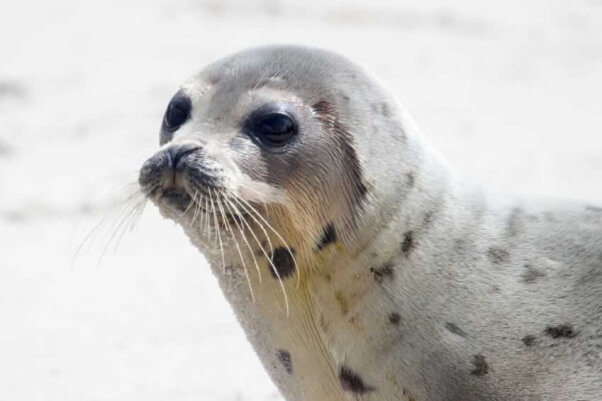
John Brattey of Fisheries and Oceans Canada feels that scientific evidence is lacking to implicate seals as a detriment to the rebuilding of depleted cod populations, yet that very excuse is often floated as a reason to keep the country’s widely rebuked commercial seal slaughter going.
“[A]t the moment we don’t have strong indications that harp seals are having a big impact on cod recovery.”
To the contrary, cod and seal populations have both grown over the last 10 years, according to Brattey, who believes the seals actually prefer eating other fish.
There’s no excuse for the Canadian commercial seal slaughter.
Canadian sealers can lob as many unfounded excuses as they want, but there’s no way to justify the killing of tens of thousands of baby seals, who are shot or bludgeoned to death for their fur each year.
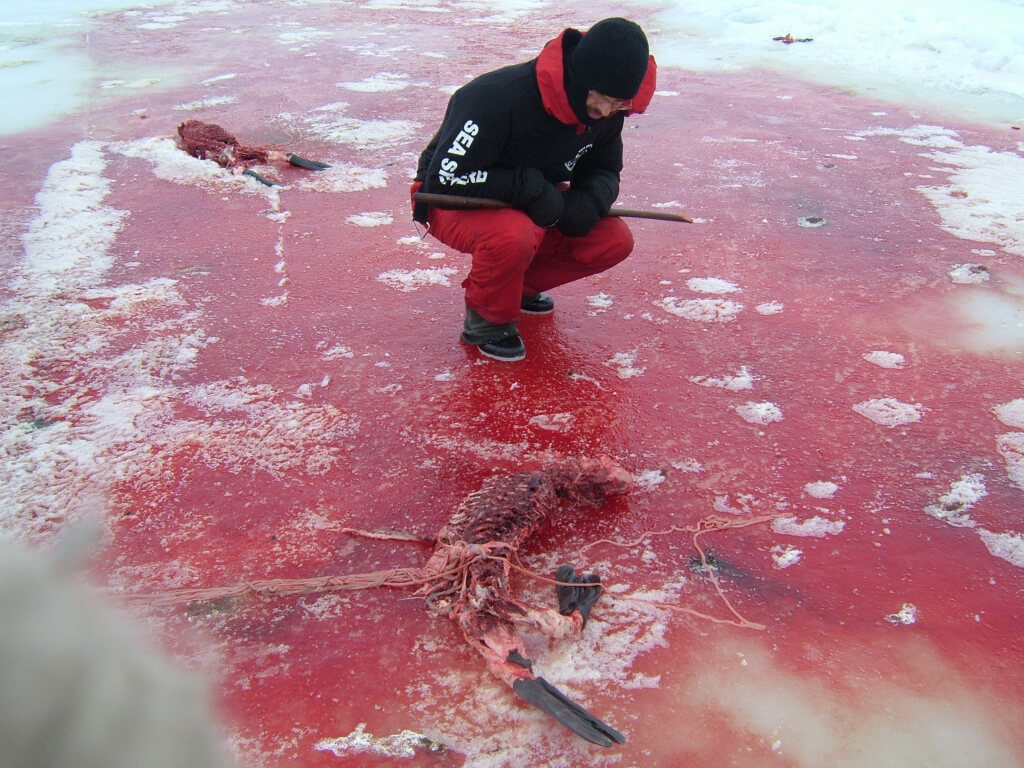
Countries all over the world—including India, which just became the 36th one to ban imports of seal-derived items—have taken a stand to end this cruel and archaic event.
This is the year that we must end the cruel slaughter, and you can help.