They Didn’t Know How to Fly!
Bonnie and Clyde’s Great Escape From Petco’s Parakeet Pipeline
The bird trade deprived Bonnie and Clyde of nearly everything, including one of the most basic joys of being a bird. The bonded green-and-yellow parakeets were kept in a tiny, crowded, and filthy cage at Creekside Birds in Oklahoma, a massive breeding operation that supplies tens of thousands of these little birds to pet shops. They were denied everything that makes life worth living for an intelligent, social bird. Their only purpose was to produce babies for the company to sell.
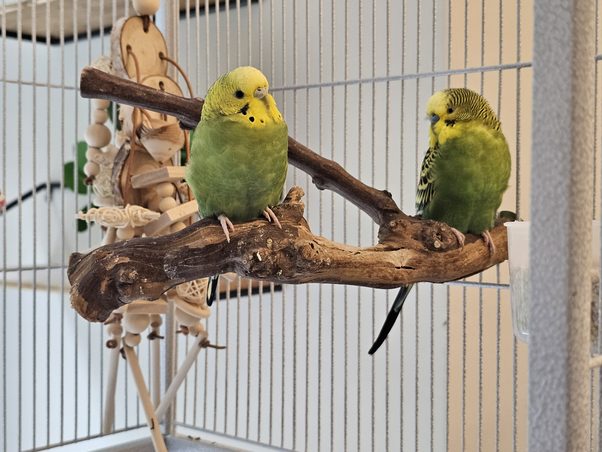
Parakeets typically raise just one clutch of chicks each year. But Creekside expected Bonnie and Clyde (and the other birds imprisoned there) to produce a new clutch of chicks about every other month. After more than two years of this grueling cycle of hatching and removal, Bonnie’s body began to wear out. Creekside planned to sell – and likely separate – the pair.
Finding Their Wings
That’s when PETA’s undercover investigator, installed as a worker at Creekside, stepped in and won permission to take Bonnie and Clyde. Their journey halfway across the US to start a new life with a bird-savvy PETA Asia board member began.
Because Bonnie and Clyde had spent their lives confined to cramped cages, they had never learned the most fundamental skill a bird should possess: how to fly. When they first arrived at their new home, they struggled to navigate open space. They crashed into walls, misjudged distances, and stumbled through landings. But with patience, they discovered the joy of flight.
Now, Bonnie and Clyde spend their days playing with toys, socializing with fellow rescued parakeets Coconut and Rocky, and exploring a spacious aviary that serves as a safe home base while allowing them the freedom to come and go throughout the day. They enjoy fresh vegetables and enrichment toys that help keep their beaks and nails healthy. And whereas they once screamed to be heard above the chaos of a warehouse filled with thousands of birds, today they sing The X-Files theme song and enjoy howling along with their new family’s dogs.
The High Cost of Cheap Birds
What PETA’s investigator witnessed is part of the pipeline that supplies birds to major pet store chains, including Petco, PetSmart, and Petland, and is a stark reminder of the cruelty inherent in the commercial bird trade.
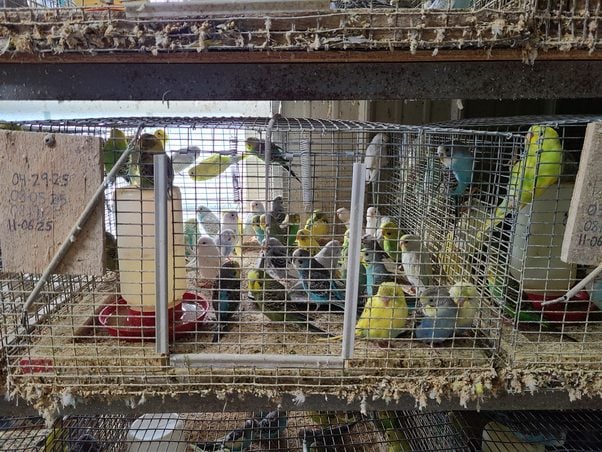
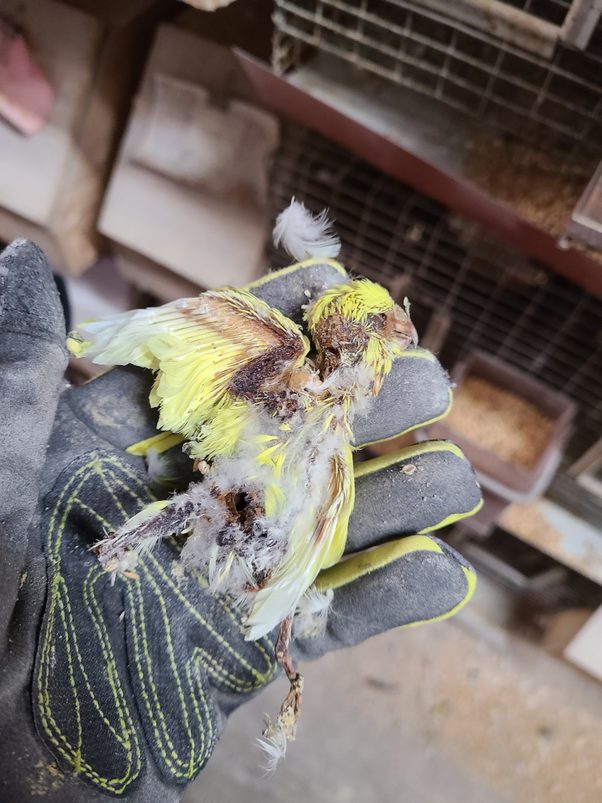
PETA’s investigator witnessed over 10,000 birds crammed into tiny, stacked cages. Waste coated nearly every surface, and feces piled into what a co-owner called “poop towers.” The air was thick with dust, ammonia, and the smell of decomposition. Staff routinely killed sick, injured, or otherwise “unsellable” birds by crushing their necks, flinging them against the ground, and even ripping their heads off.
Dead birds were found every day, sometimes more than 100 in a single shift, the survivors trapped alongside decomposing bodies. When PETA’s investigator asked whether a bird called Thomas, who couldn’t stand and showed signs of neurological impairment, would receive veterinary care, a worker laughed: “If we had [a veterinarian] come check on every bird, I don’t think we’d be profiting.” During more than three months at the facility, the investigator never saw a veterinarian visit even once.
Let’s Ground the Bird Trade
Prompted by PETA’s evidence from Creekside Birds, federal authorities cited the parakeet breeding factory for thousands of violations of law, but the business is still in operation as of this writing and the family that owns it has other bird factories, too.
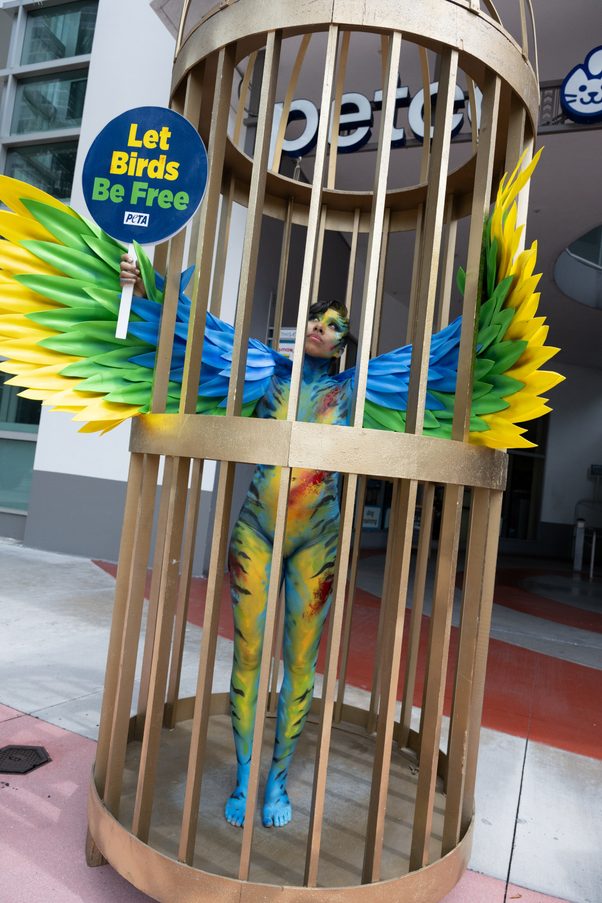
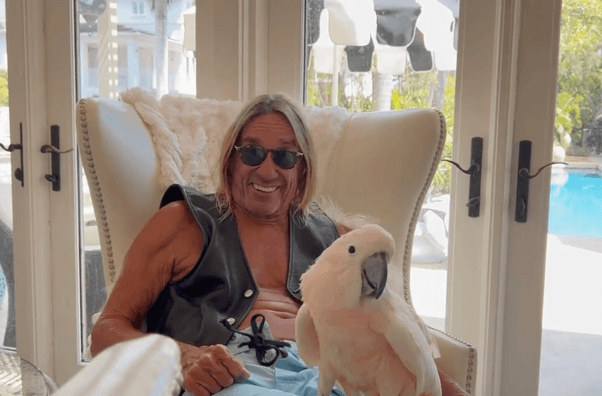
PETA is keeping the pressure on companies that sell birds – with help from our friends and supporters. Music icon (and doting cockatoo guardian) Iggy Pop joined our campaign. PETA has provided testimony in support of a bill in Massachusetts that would prohibit the retail sale of parrots statewide. In Rhode Island, we’re urging lawmakers to pass legislation that would largely ban pet stores from selling parrots obtained from breeders and brokers.
What You Can Do
Please join us in ending the cruel bird trade. Watch and share the undercover investigation video, and then urge Petco, PetSmart, and Petland to stop selling animals. Tell everyone you know to do the same. And let these retailers know that you won’t shop at their stores – even for supplies – until they stop.