Monkeys, Weapons, and Drugs: Inside the Monkey-Smuggling Networks Supplying U.S. Labs
International monkey smuggling is driving endangered long-tailed macaques toward the brink of extinction—and the animal experimentation industry is riding shotgun.
Year after year, U.S. experimenters pay top dollar to fill their laboratories with monkeys to poison, mutilate, and manipulate in deadly tests. Their demand is insatiable, and wildlife traffickers in Southeast Asia are cashing in.
PETA has identified a sharp surge in monkey smuggling cases from Thailand into Cambodia. The surge comes as Cambodian monkeys are once again being imported into the U.S. for experimentation after a nearly three-year halt tied to a federal investigation into the monkey supply chain. Across Southeast Asia, authorities have seized thousands of endangered monkeys in recent years, corresponding with the drastic population decline of long-tailed macaques in nature.
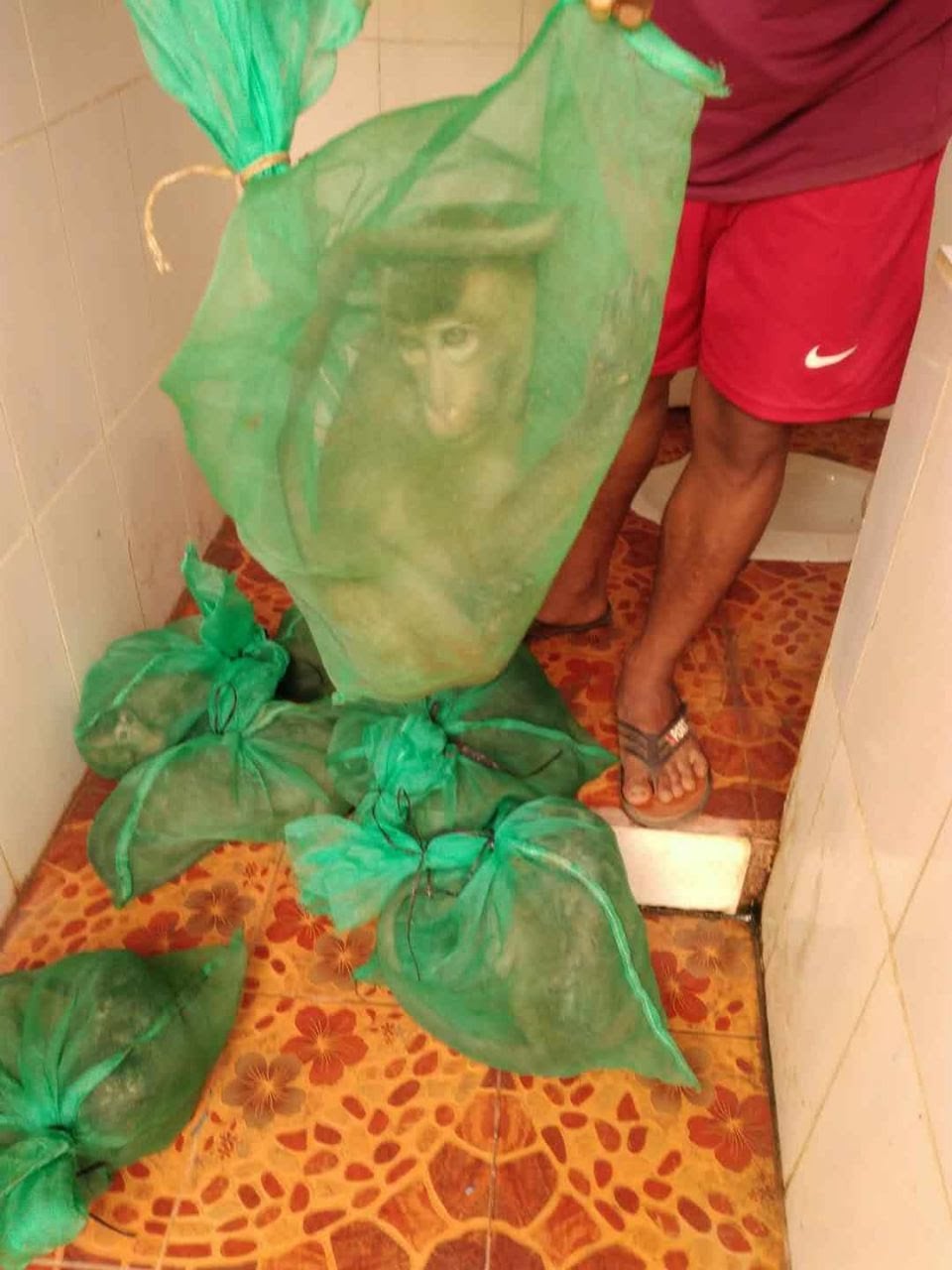
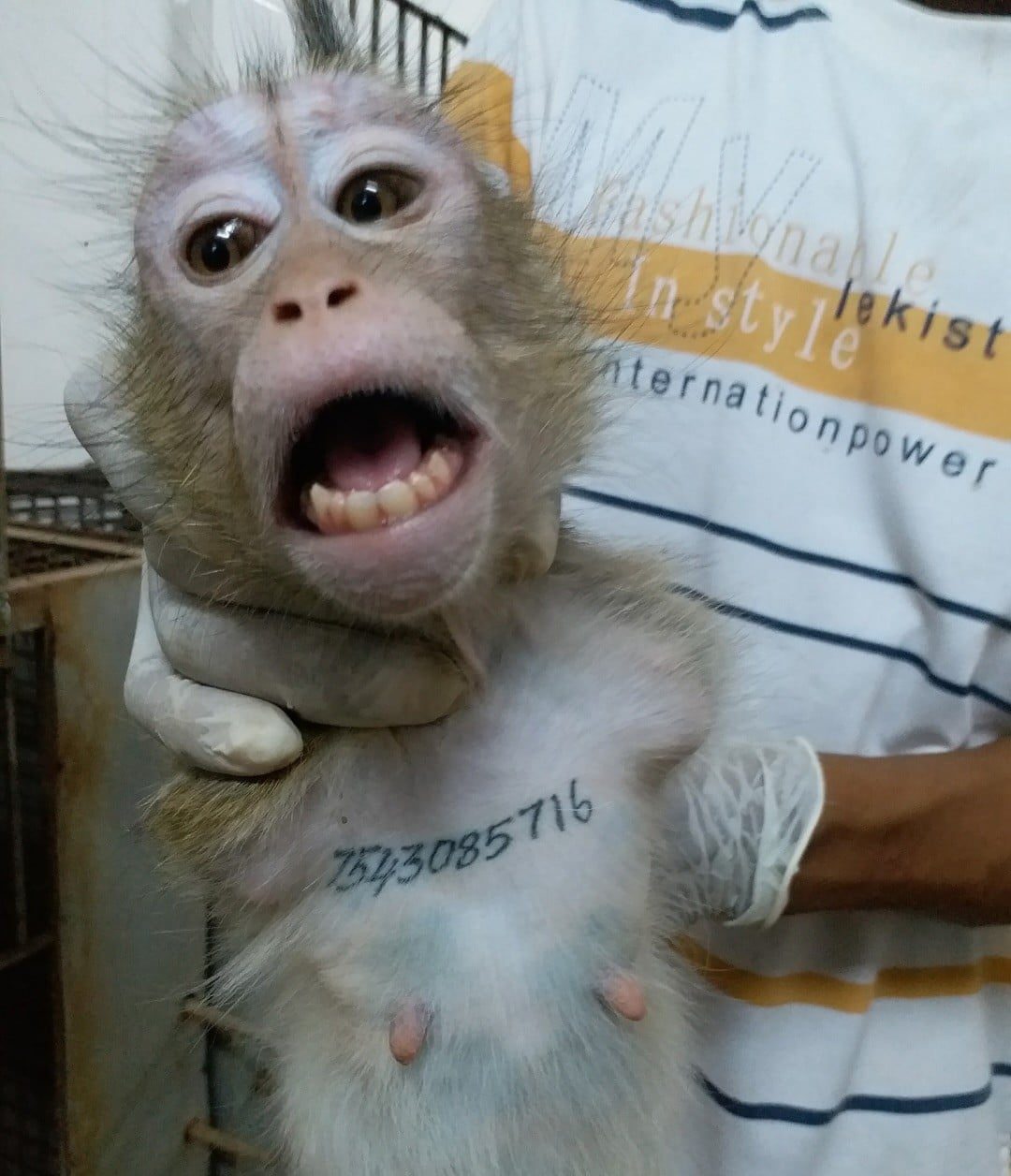
Smugglers trap monkeys in nature, including mothers and their babies, and cram them inside mesh bags or wooden crates for grueling journeys across borders to breeding farms. They are tossed into vehicles, packed together with little room to move, and transported for hours or even days while terrified, injured, and deprived of food and water. At the farms, they are kept in filthy, barren conditions. Some are intentionally falsely labeled as “captive-bred” and sold into the international laboratory supply chain.
Monkey Smuggling Surges Across Southeast Asia
A surge in reported monkey-smuggling cases along the Thailand-Cambodia border is the latest sign of a much broader trafficking problem across Southeast Asia. Past investigations and prosecutions in Cambodia, Vietnam, China, and Laos reveal how wild monkeys can be stripped of their origins, passed off with falsified documentation, and funneled into the monkey-abduction pipeline.
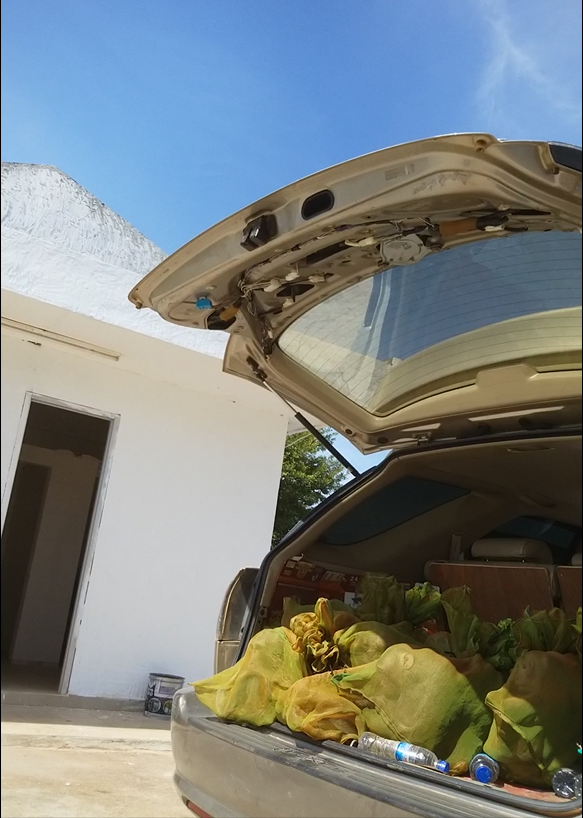
- Thailand and Cambodia: At least 406 endangered long-tailed macaques have been intercepted by authorities in at least a dozen incidents since January 2025. The monkeys were seized in Thailand, en route to Cambodia, a major exporter of monkeys to the U.S. for use in experiments.
In 2022, U.S. federal authorities uncovered a large-scale scheme that allegedly used falsified permits to launder long-tailed macaques from Cambodia into the global experimentation industry. Court filings described tens of thousands of wild-caught monkeys who were reportedly labeled as captive-bred and sold to U.S. companies.
- Vietnam and China: More than 3,000 macaques were smuggled from a large Vietnam breeding farm to China in 2018. The farm also exports macaques to the U.S. Thousands more macaques were illegally moved from Vietnam to multiple biomedical research suppliers in China between 2018 and 2022.
- Laos: In 2016, an international trade authority banned Laos from exporting long-tailed macaques after uncovering evidence that wild-caught long-tailed macaques were being falsely labeled as captive-bred. Additional trade suspensions were recommended in 2023 amid ongoing concerns about monkey laundering and smuggling.
Monkeys, Weapons, and Drugs
Monkey smuggling is embedded in a broader criminal enterprise. The routes, vehicles, and criminal networks that traffic weapons and drugs are also frequently used to move monkeys and other wildlife.
In August 2026, Thai authorities seized AK-47s and more than 24,000 rounds of ammunition from a suspected smuggling group near the Thai-Cambodian border. A suspect reported that long-tailed macaques were smuggled by the same group and on the same boats used to traffic cigarettes, illegal laborers, and other contraband.
In Vietnam, groups that trafficked pangolin scales and elephant ivory also moved monkeys into China.
Compromised Science
The primate experimentation industry claims that using purpose-bred, specific pathogen-free, well-characterized monkeys helps control variables and produce reliable results. But when wild-caught monkeys are falsely labeled as captive-bred, any semblance of control falls apart. Their unknown origins, health histories, and exposures introduce hidden variables that can further undermine the reliability and reproducibility of the research.
U.S. Public Health is at Risk
Each monkey entering the U.S. from unknown origins creates an unknown disease risk. Monkeys captured from the wild and smuggled across borders don’t come with health certificates or any indication of what they’ve been exposed to during their international journeys in squalid crates, boxes, and cargo holds.
Among the tens of thousands of monkeys imported into the U.S. for experimentation each year, many arrive carrying tuberculosis, melioidosis, Shigella, Herpes B, and more—all diseases spread easily to humans.
Monkeys captured from their forest homes can introduce untraceable diseases when mixed into breeding populations at smuggler’s farms.
What You Can Do
The Preventing Risky Importation of Monkeys to Avoid Toxic Exposures (PRIMATE) Act eliminates the importation of monkeys for use in experiments, helping endangered species recover while mitigating public health risks.
If you’re in the U.S., please take action by urging your Congressional representative to co-sponsor the PRIMATE Act today:
And everyone, no matter where you live, can take action by urging the U.S. Department of Health and Human Services to shut down the monkey-abduction pipeline: