
EPA Expands List of Methods That Spare Animals From Deadly Chemical Testing
UPDATE: In more good news from the EPA, today, the agency made two announcements advancing the use of non-animal approaches. The agency released guidance showing how to use a well-established mathematical calculation to estimate the toxicity of a pesticide formulation by adding up the toxicity of each ingredient—replacing a test where rats are force fed chemicals. In another welcome move, the agency released a document giving non-animal, human cell–based models of the respiratory tract priority over inhalation tests on animals for evaluating surfactants (a certain class of chemicals). This announcement is supported by several collaborative projects between PETA scientists and the EPA, as well as an ongoing partnership to advance reliable and human-relevant approaches for assessing the effects of inhaled chemicals. Keep going, EPA!
There’s a list of reasons to celebrate the U.S. Environmental Protection Agency (EPA)’s work to replace tests on animals with non-animal methods. In this case, literally. The agency has updated its official list of test methods it considers scientifically reliable and relevant, which could be used to make regulatory decisions.
U.S. law requires the EPA to find better ways to test industrial chemicals without using animals. Under a law called the Toxic Substances Control Act (TSCA), the EPA must regularly share a list of scientifically sound testing methods that replace historically used tests on dogs, rabbits, and other animals.
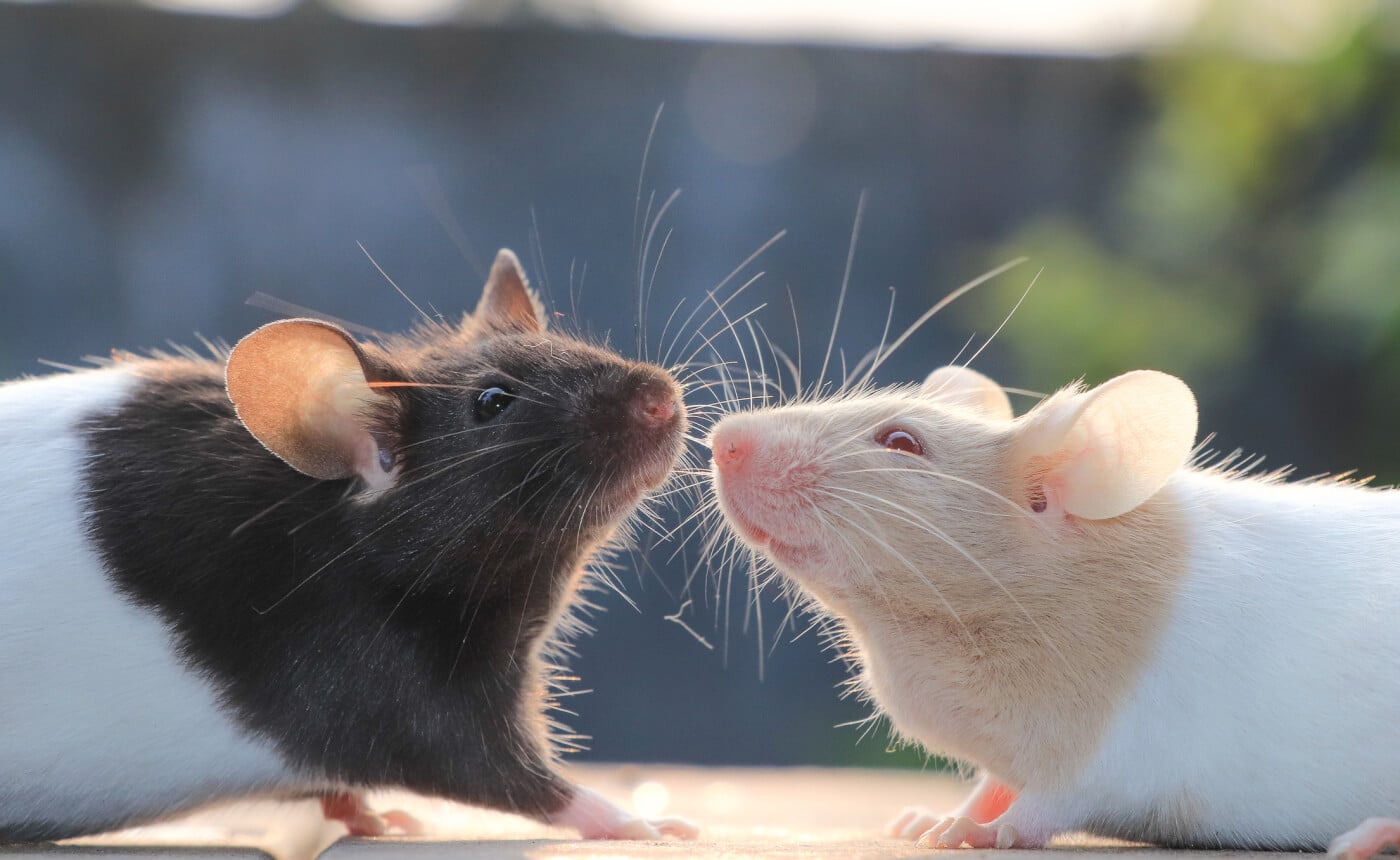
This list of scientific tools and strategies provides examples that the EPA may use in its decision-making regarding chemical regulation. These methods have already been reviewed and supported by scientific and regulatory organizations.
The EPA first issued the list in 2018 and this is the third time it has been updated. Additionally, this is the first time that the agency has included directions for how stakeholders can nominate methods for the EPA to add to the list, which will help expand it even more.
Every Method Saves Rabbits, Birds, Mice, and Other Animals From Deadly Chemical Testing
The list includes methods for skin absorption, skin corrosion, phototoxicity, eye irritation, and skin sensitization tests that would otherwise use animals. Every year, tens of thousands of animals are forced to ingest or inhale toxic chemicals or have them applied to their eyes or skin. Whether tested on for weeks or years, many animals never make it out alive, as they are killed to have their body parts examined.
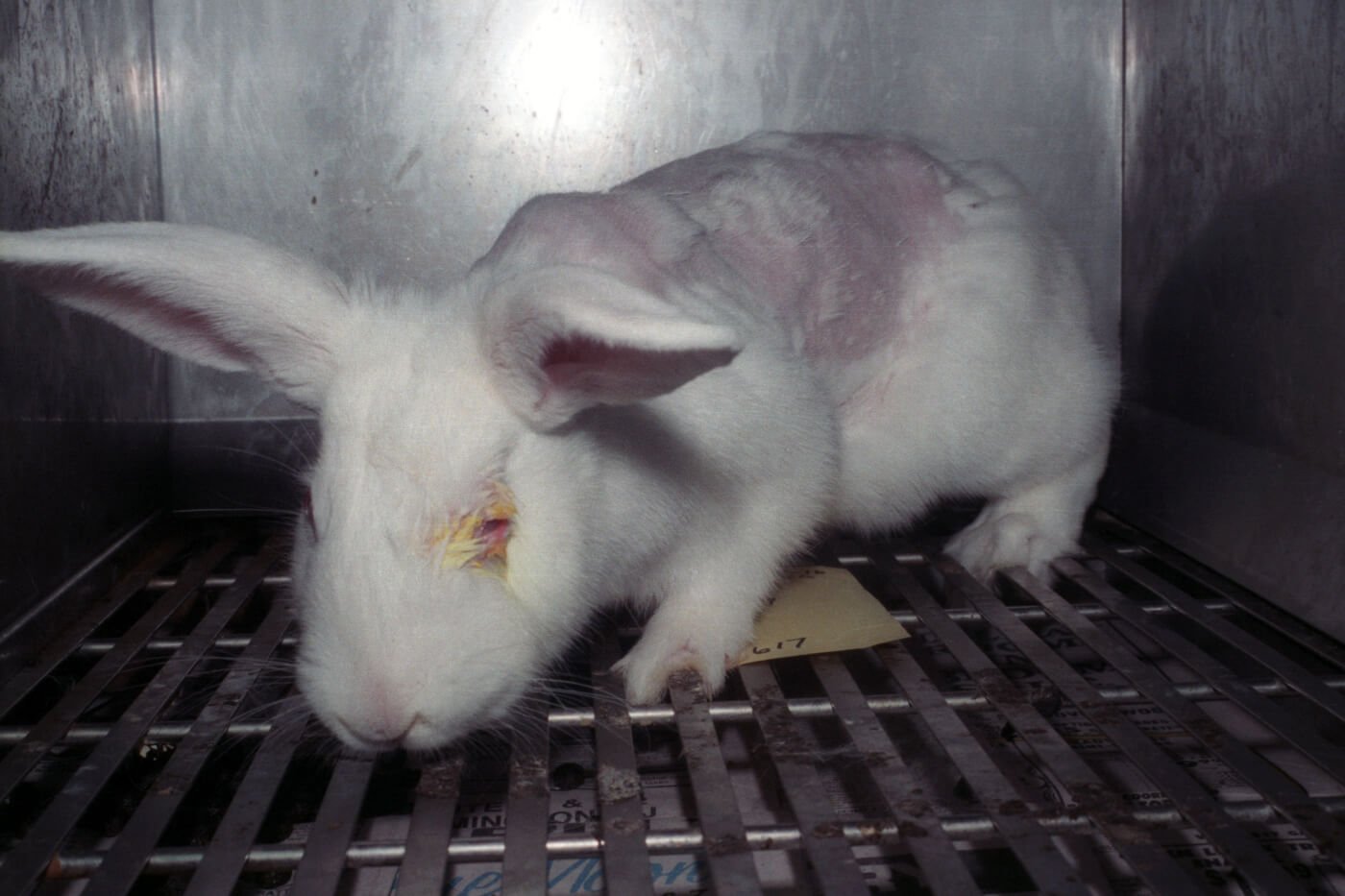
Many of these tests on animals were developed decades ago, are time-consuming, and fail to reliably predict how chemicals will affect humans or the environment.
It’s important to note that companies can use other cutting-edge, non-animal methods beyond those listed to meet EPA information needs. But this list provides an essential starting point companies can use as a valuable resource of methods that the EPA will consider—and it’s a clear signal that the agency is interested in receiving non-animal data.
Through hands-on collaboration, including webinars, peer-reviewed research, and the shaping of regulatory guidelines, PETA scientists have worked closely with the EPA for years to advance the real-world use of non-animal methods. PETA scientists will continue to advance gold-standard scientific methods that completely replace tests on animals.
Help Make Animal‑Free Science the Standard
You can encourage the U.S. Food and Drug Administration (FDA) to take specific steps to replace tests on animals. Right now, the FDA may require companies to kill animals in tests for menstrual products, such as tampons, pads, and cups—even when state-of-the-art, animal-free test methods are available.