PETA’s Animals in Film and Television Division
Planning to use animals in a film or TV show? We’re here to help.
Whether you’re developing a script, hiring animal trainers, or considering how animals will appear on screen, the choices you make can have a real impact.
We regularly work with directors, producers, writers, studios, and other creatives to advise on best practices and help ensure storylines and portrayals are responsible, accurate, and positive for animals.
“We have had continuing constructive dialogue with PETA about the portrayal of Bubbles the chimpanzee as a pet. This portrayal is simply based on historical fact and is not intended to be an endorsement of keeping chimpanzees as pets. Bubbles is portrayed in the movie using CGI technology and the real Bubbles has been living a peaceful life at the Center for Great Apes sanctuary for more than 20 years.”
—Lionsgate on the portrayal of Bubbles in the movie Michael (2026)
PETA is the only animal protection organization that advocates for animals in Hollywood at this level. We offer guidance at any stage of production free of charge.
Support for Productions
If your project involves animals or messages about them, we can help you navigate the details. Some of the many resources we provide include:
- Script reading for sensitivity and feedback on animal-related messaging
- Background information on animal trainers and suppliers
- Key considerations for certain species
- Humane alternatives to using live animals, such as CGI, animatronics, editing techniques, and creative storytelling approaches
- Animal-friendly costume design, including kind alternatives to animal feathers, wool, fur, and skins
- Plant-based catering and food styling to reduce harm and waste on set
- Promotion of positive animal storylines and compassionate choices on set to PETA entities’ 10.4 million members and supporters worldwide
Start the Conversation
Even small moments on screen can shape how audiences think about animals. Whether you’re part of a guild, an independent production, or a major studio, we can help you:
- Avoid harmful or risky animal use altogether
- Identify red flags with trainers and suppliers
- Adjust storylines so they don’t promote cruelty or misinformation
- Align your film or TV show with growing audience expectations around animal protection
Contact PETA’s Animals in Film and Television team to get guidance on your film or TV show, ask questions, explore alternatives, or discuss promotions.
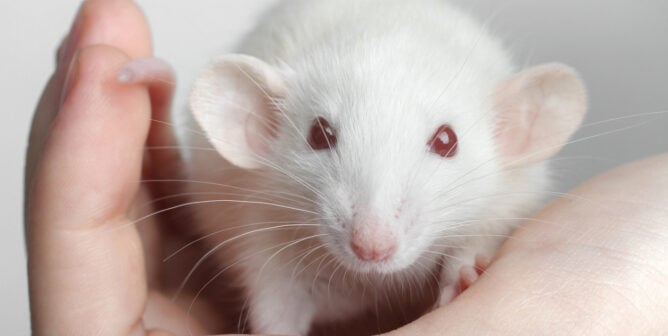
Join PETA in urging the U.S. Department of War to stop funding cruel and pointless experiments on animals in foreign laboratories.
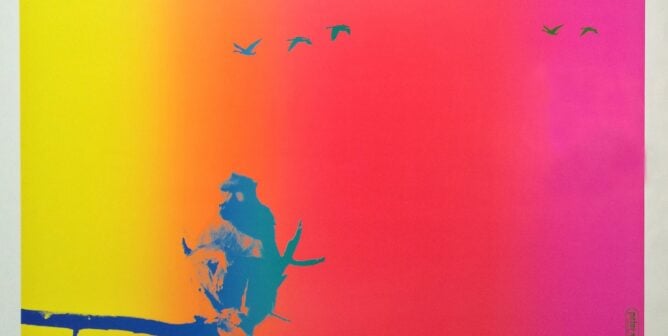
Artist Peter Max believed “We’re here to love all and serve all”—animals included.
Video of the COS runway protest shocked millions—but the real violence happens to sheep behind the scenes.

