Can You Follow a Low-FODMAP Diet and Still Be Vegan? Absolutely.
If you’re dealing with digestive issues but don’t want to compromise on compassion, you might be wondering: “Can I go low-FODMAP while vegan?” The good news is, yes—you can support your gut health without supporting cruelty to animals. Even better, many low-FODMAP staples—from certain fruits and vegetables to grains and proteins—are already vegan.
So let’s cut the (I)BS and get straight to the facts: what low-FODMAP actually means, the vegan foods that fit the diet, and what to avoid. (Note: While this guide can be a helpful starting point, it’s always a good idea to check with a registered dietitian to make sure your plan meets your individual nutritional needs.)
What Are FODMAPs?
The name sounds long and scary—Fermentable Oligosaccharides, Disaccharides, Monosaccharides, and Polyols—but simply put, FODMAPs are just certain types of sugars in food that many sensitive stomachs can’t handle well. For individuals with conditions like irritable bowel syndrome (IBS), high-FODMAP foods can ferment in the gut and cause bloating, gas, stomach pain, and discomfort.
A low-FODMAP diet is basically a temporary plan where you cut out these tricky foods for a little while (two to six weeks) to see which ones bother your gut. After that, you slowly add foods back in to figure out what you can and can’t eat without feeling irritated.
Low-FODMAP Vegan Foods to Keep in Your Kitchen
Here are some staples to keep you satisfied while following a low-FODMAP plan (just remember to check recommended serving sizes—some foods are low-FODMAP in small amounts but can become high-FODMAP if eaten in larger portions). The Monash University FODMAP app can be a helpful tool for tracking safe foods and servings.
- Vegetables: Carrots, zucchini, spinach, lettuce, cucumbers, tomatoes, green beans, pumpkin, eggplant
- Fruits: Strawberries (small portions), blueberries, raspberries, oranges, kiwi, grapes, pineapple
- Grains: Rice, oats, quinoa, sourdough spelt bread, wheat/rye/barley-free breads
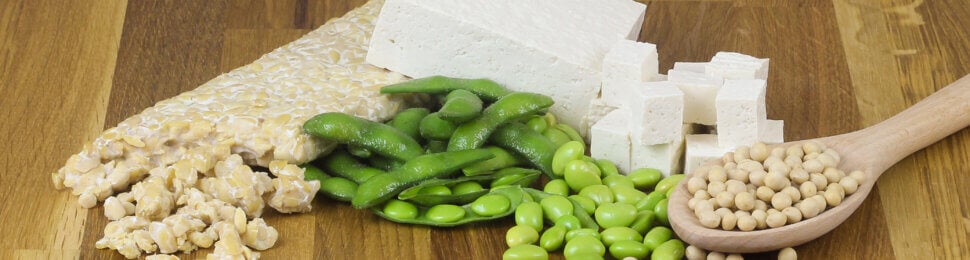
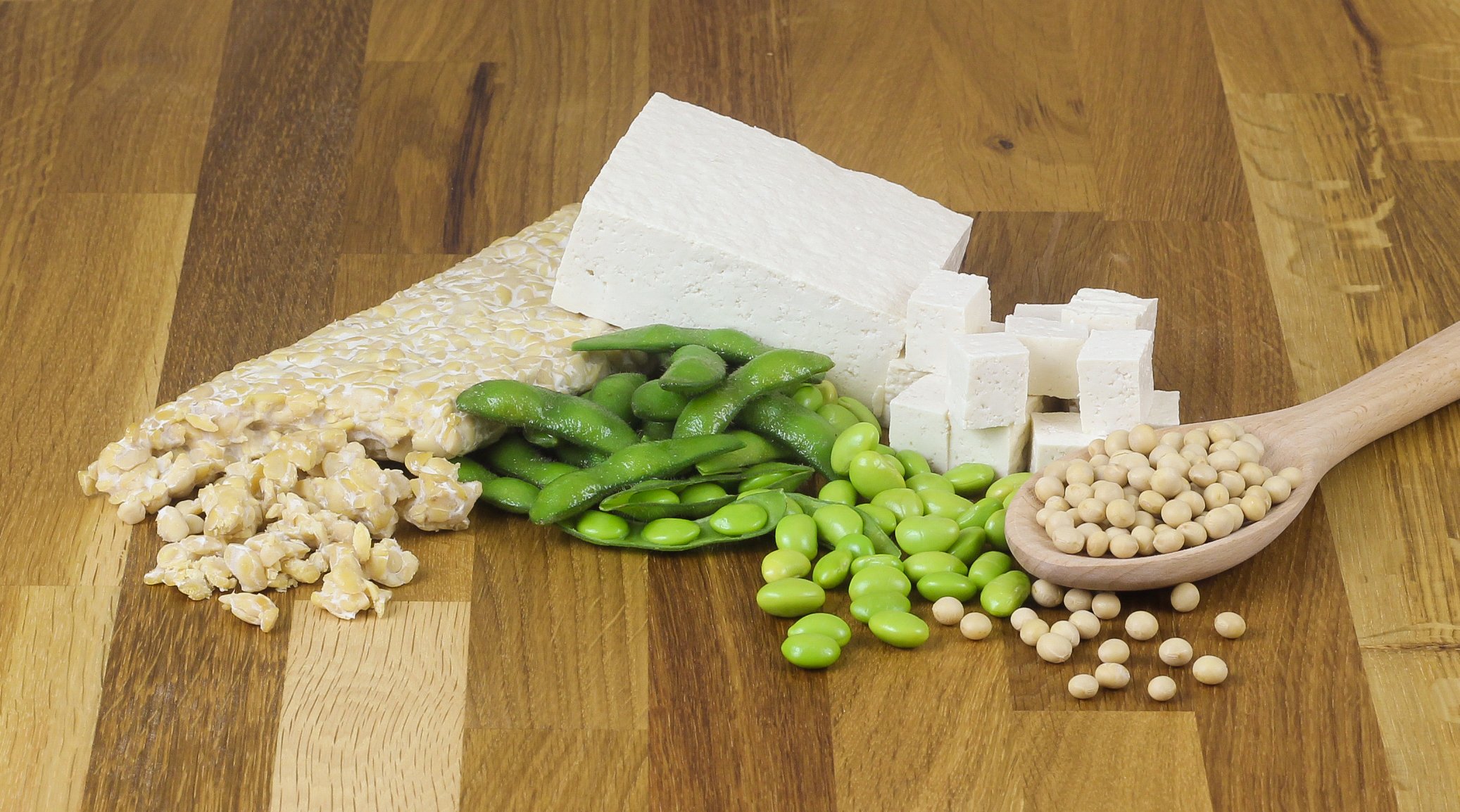
- Protein and legumes: Firm tofu, tempeh (moderate), edamame (small portions), canned lentils (1/4 cup serving), canned and rinsed chickpeas (1/4 cup serving)
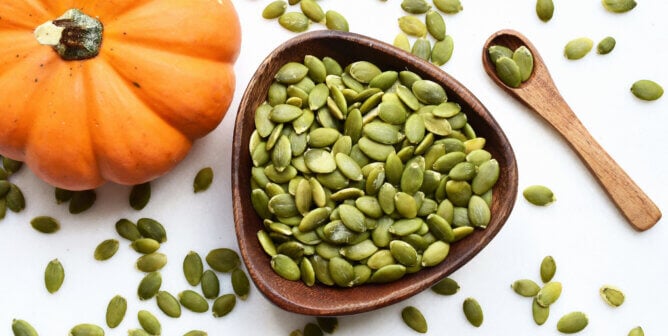
- Nuts and seeds: Almonds (small serving size), walnuts, macadamia nuts, pumpkin seeds, chia seeds, plain peanuts
- Nut butters (1-2 TBSP serving): Plain peanut butter, almond butter, macadamia nut butter, sunflower seed butter, pumpkin seed butter
- Oils and condiments: Olive oil, coconut oil, tahini, soy sauce, most herbs and spices (avoid garlic and onion)
- Vegan milks: Coconut milk, almond milk (unsweetened), hemp milk, rice milk, soy milk (made from soy protein), quinoa milk (unsweetened)
- Vegan yogurts: Coconut yogurt, almond yogurt
- Sweeteners and sugars: Pure maple syrup, dark chocolate, table sugar
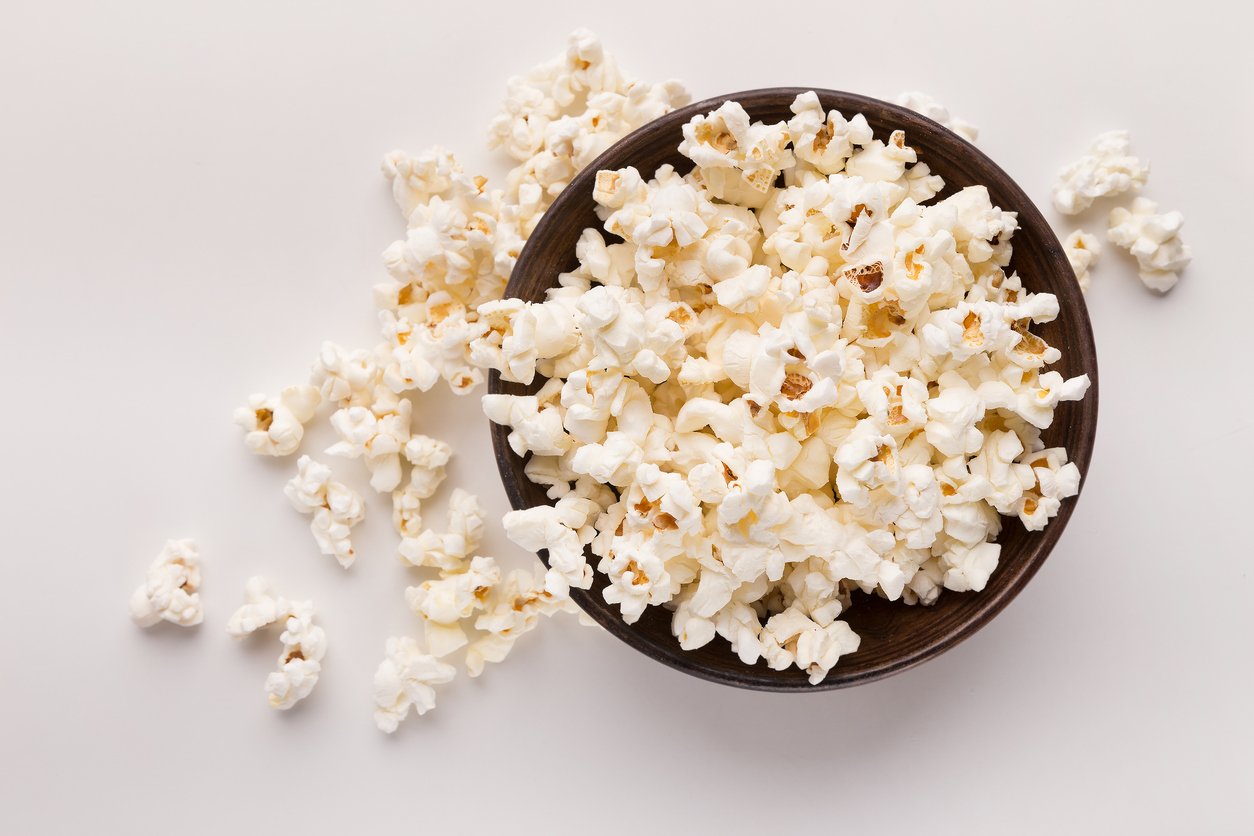
- Snacks: Rice cakes, corn tortilla chips (plain, unsalted), plain popcorn
How Vegan Foods Make Low-FODMAP Easier
Dairy products—including animal-based cheeses, milks, yogurts, and ice creams— are some of the biggest high-FODMAP triggers. This isn’t just limited to individuals with digestive issues: Approximately 65% of the global population has a reduced ability to digest lactose after infancy, which helps explain why consuming cow’s milk and other dairy products so often causes uncomfortable IBS symptoms. And it’s no wonder—like humans, cows produce milk for one reason: to nourish their babies.
On the other hand, vegan milks, yogurts, butters, and ice creams are naturally lactose (and cruelty)-free—making some options suitable for a low-FODMAP plan. So Delicious’ Coconut Milk Yogurts—including unsweetened plain, unsweetened vanilla, blueberry, and chocolate—and Coconut Milk Frozen Desserts in vanilla bean are generally considered low-FODMAP in moderation. Earth Balance’s Buttery Spreads—including Original and Soy-Free varieties—can also fit well into a low-FODMAP diet when enjoyed in appropriate portions.
(Important tip: When choosing products, it’s best to look for plain varieties and check labels for added high-FODMAP ingredients like inulin, chicory root fiber, or cashews.)
Another common high-FODMAP culprit is honey stolen from bees. A simple swap is pure maple syrup, which is low-FODMAP in typical servings, naturally sweet, and free from exploitation.
Processed meats (like sausage and salami) are also high-FODMAP—plus, consuming them sharply raises your risk of serious health issues like type 2 diabetes, heart disease, and certain cancers.
Are All Vegan Foods Low-FODMAP?
While vegan eating removes some major gut irritants—like dairy and processed flesh—it doesn’t automatically mean all vegan foods are low-FODMAP. Onions, garlic, and wheat are common high-FODMAP triggers. Here are some other foods to avoid during the elimination phase:
- Vegetables: Artichoke, asparagus, garlic, green peas, leek, mushrooms, onion, red capsicum (bell pepper)
- Fruits: Apples, apple juice, cherries, dried fruit, mango, nectarines, peaches, pears, plums, watermelon
- Grains: Wheat/rye/barley-based breads, pastas, cereals, and snacks
- Legumes: Kidney beans, baked beans, fava beans, navy beans, broad beans, split peas, butter beans, lima beans, black beans, lentils (dried and home-cooked).
- Nuts and seeds: Cashews, pistachios
- Sugars: High fructose corn syrup, sugar-free confectionery
Reminder: These restrictions aren’t permanent. The goal is to identify which foods bother your belly, so you can safely reintroduce tolerated items back into your diet.
Vegan Eating Is Good for Your Gut (and Everything Else!)
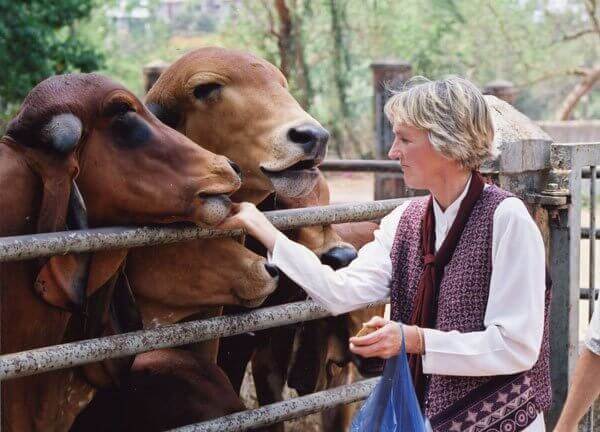
Once you’re able to weed out what’s giving you tummy troubles, you’ll be reminded that vegan living means abundance, flavor, and feeling good. It’s also a gift for your digestive system: Research shows that whole and healthy vegan foods help curb constipation, keep toilet time regular, and provide the fiber our bodies need. Best of all, every vegan meal spares sensitive, social cows, birds, fish, and other animals who want to live in peace. Every one of them is a living, feeling individual.
PETA’s thousands of vegan recipes make it easy to enjoy satisfying, nourishing meals every day:
Text VEG to 73822 to get the latest vegan lifestyle tips, recipes, and urgent action alerts texted right to your phone.
Terms for automated texts/calls from PETA: https://peta.vg/txt. Text STOP to end, HELP for more info. Msg/data rates may apply. U.S. only.


Many people report fewer reflux symptoms after going vegan. If you’re still experiencing heartburn, a few simple adjustments could make a difference.
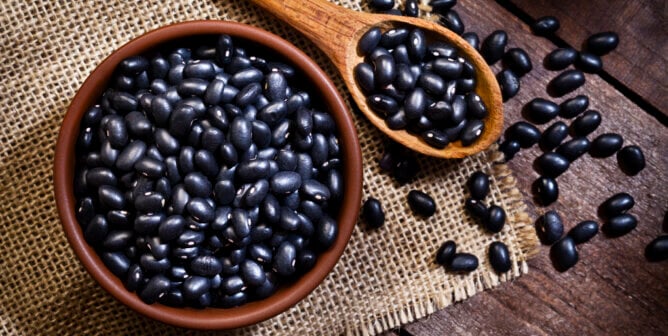
Want stronger muscles, better sleep, and a healthier heart? These magnesium-rich vegan foods make it easy to get more of this mineral, without supporting cruelty.
Think you can’t get this nutrient in plant foods? “Zinc” again! Support your immune system and spare animals at the same time with these zinc-rich vegan foods.

Learn what to do if vegan options are limited at a restaurant so you can eat well and stay true to your values.