PETA Scientists Champion a Smooth Move to Animal‑Free Lubricant Testing
With great pleasure, PETA scientists made a critical step forward in making personal lubricants cruelty-free!
Consumers often assume that personal lubes fall under the category of everyday personal care or cosmetic products, which often avoid tests on animals. However, regulatory classifications—and therefore testing requirements—differ by country. In the United States, for example, personal lubricants are regulated as medical devices by the US Food and Drug Administration (FDA) and are subjected to deadly toxicity tests involving rabbits.
A recent paper co-authored by PETA scientists shows that human cell-based vaginal tissue models have the potential to replace rabbits when assessing the safety of personal lubricants. This non-animal method delivers data that is predictive of human health effects, reproducible across laboratories, and ranks personal lubricants by vaginal irritation potential.
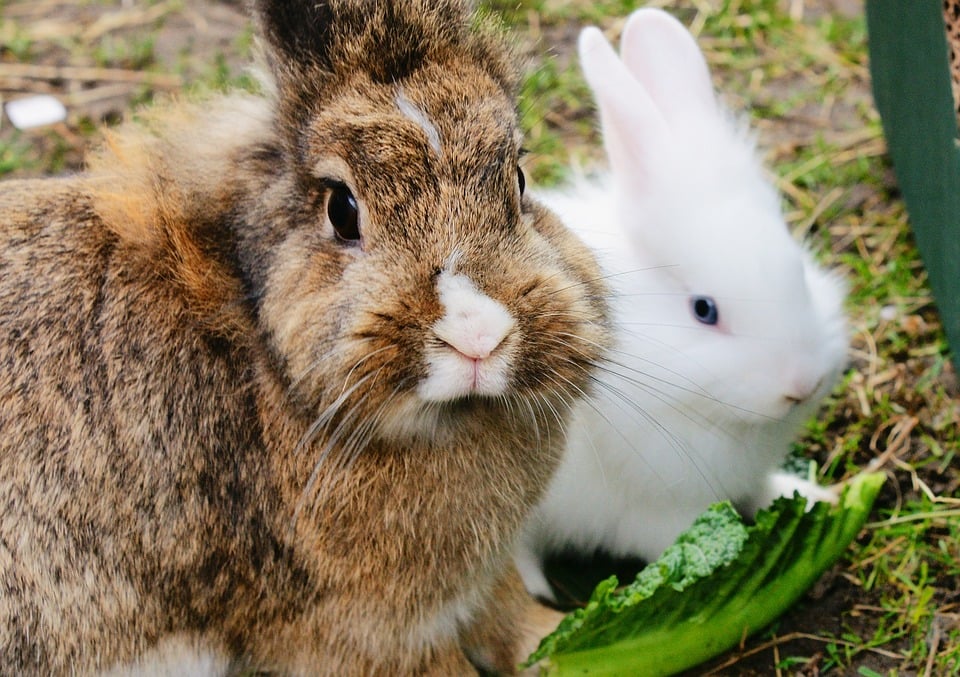
This promise of humane, human-relevant science stands in sharp contrast to what rabbits still endure in laboratories. In the tests on animals, lube is put into rabbits’ vaginas day after day. At the end of the test, the rabbits are killed, and their vaginal tissue is examined for signs of irritation.
Fortunately, PETA scientists have been working to convince regulators to move away from animal testing for lubes. In 2017, PETA scientists and personal lubricant company Good Clean Love successfully convinced the FDA to accept human trials over tests on animals to determine if lubricants would cause skin irritation and allergic reactions.
PETA scientists continue to hook up with animal-friendly lubricant companies to convince the FDA that the smoothest way forward is to accept test methods that don’t harm animals. This paper is a leap in the right direction, and PETA scientists remain hard at work until this non-animal model is accepted to meet regulatory testing requirements for lubes and additional products, such as tampons, menstrual cups, and other relevant medical devices.
Stay tuned as collaborations between innovative scientists and forward-thinking companies will save animals’ lives, broaden access to cruelty-free products for everyone, and promote human health.
Show Some Love for Animals by Demanding Animal-Free Science!
The FDA may soon require companies to conduct animal testing for menstrual products, such as tampons, pads, and cups—even when animal-free test methods are available. Don’t let the FDA force companies to abandon good science. Join the call for reliable, human-relevant, non-animal testing approaches.