
EPA Makes Move for Science and Animals With Its Recommitment to End Animal Tests
Today, the U.S. Environmental Protection Agency (EPA) announced its recommitment to eliminating animal tests. This commitment to increase reliance on non-animal testing approaches echoes longstanding sentiments of the agency and is grounded in advances in science and technology that allow us to use more reliable and relevant approaches to better protect humans, wildlife, and our environment. The commitment includes a 3-pronged strategy to advance the use of modern non-animal tests.
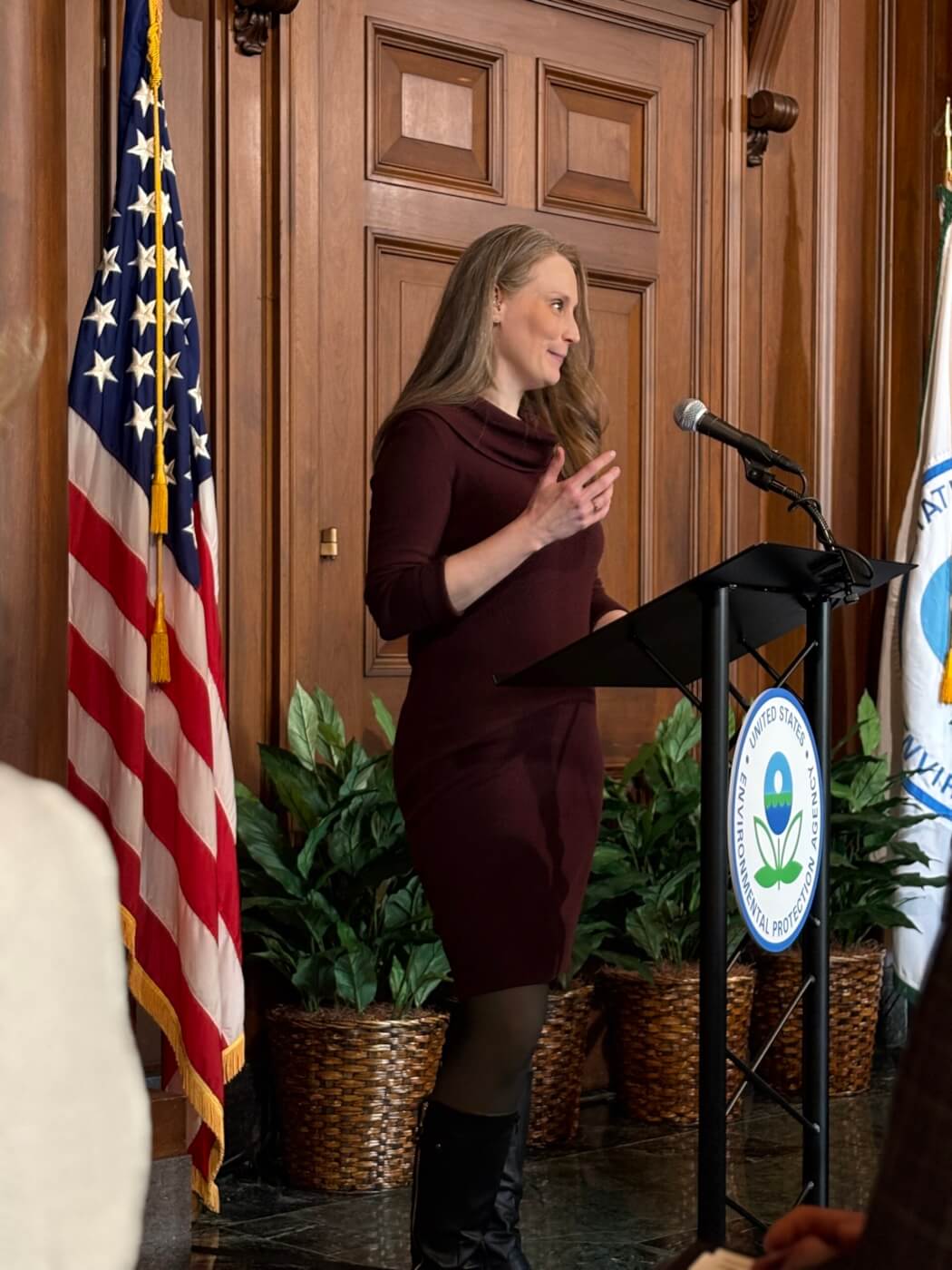
Today’s announcement follows years of collaboration between EPA and PETA scientists. For example, for the past 82 years, eye irritation testing has typically relied on a test in which chemicals are applied to the eyes of live rabbits, which can cause inflammation, ulcers, bleeding, or even blindness. PETA scientists worked with the EPA on ending the use of this nearly century-old test, and in 2024, the EPA clarified its preference for using non-animal methods to assess eye irritation for industrial chemicals.
Putting words into action, today’s announcement included the release of a similar document outlining EPA’s preference for non-animal skin irritation tests instead of the historically used rabbit test.
PETA Scientists Collaborate with the EPA to Change Toxicity Testing
This isn’t the only time PETA’s scientific collaborations have been used as the foundation for advancing reliable and relevant non-animal tests. An analysis of 20 years of data, led by PETA scientists in collaboration with the EPA, demonstrated that a test on birds didn’t add information over what is provided from other tests, leading to a change in EPA policy to no longer demand the test in which birds are fed pesticide-laced food for days and then monitored for signs of distress, before being killed.
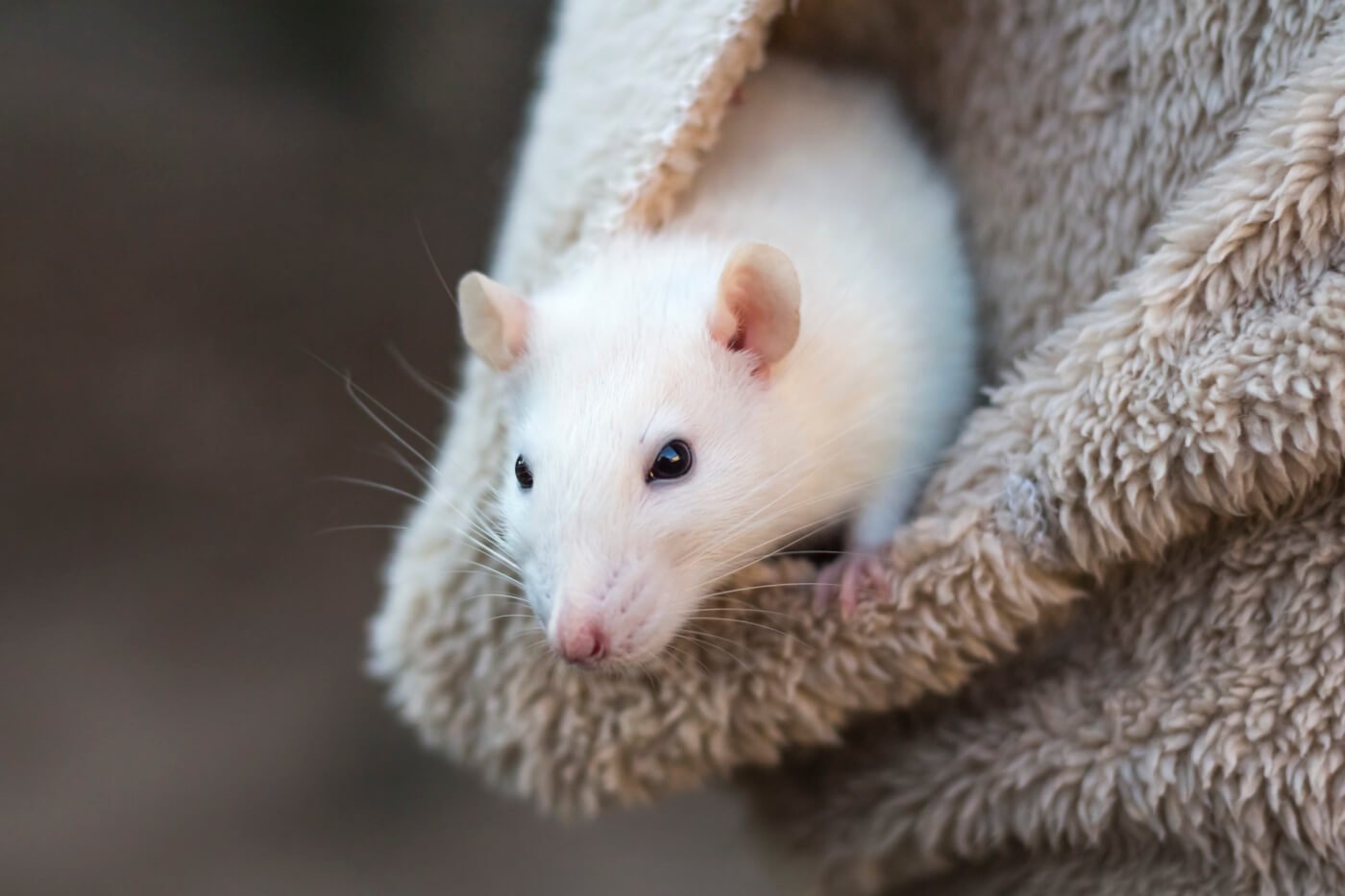
In another example, PETA scientists partnered with experts from the EPA, other international regulatory agencies, academia, and industry to conduct the data analyses needed to scientifically demonstrate how to maintain equivalent levels of human protection. These efforts replace a required test in which mice and rats are forced to ingest or inhale chemicals every day for up to two years, only to be killed and their bodies examined. The EPA recently used this approach in its decision-making to spare 1,600 animals from testing.
PETA scientists will continue collaborating with the EPA at every step to advance non-animal toxicity testing and herald in a new era in which toxicity tests better protect humans and the environment while sparing animals enormous suffering. Expect to see more announcements soon about our team of scientists who are making a big impact to replace tests on animals.
A Brief History on PETA’s Push for Scientific Change
PETA first put animal rights on the EPA’s agenda 20 years ago, and while we wish animal testing had never started, our scientists are working nonstop to unwind decades of legally binding testing requirements.
Chemical companies are legally required to provide the EPA with information on whether their chemicals may be toxic to humans or wildlife. Because animal testing requirements are written into old legal texts, the agency now needs to publish new guidance that clearly states that non-animal testing is allowed—and preferred—by the agency.
To reverse the old animal testing laws, there are requirements to show that the new non-animal test is scientifically valid and “as good as or better” than the historically used animal test.
This is why the work of PETA scientists is so critical! Our scientists do the hard science needed to prove to other scientists and regulators that the non-animal methods are as good as and better than the old animal tests. Once agencies are convinced of the science, they change the laws.
What’s Next?
This announcement is a first step with more to follow. We look forward to the EPA releasing similar documents to clarify its preference for reliable and human-relevant non-animal data for skin sensitization, skin absorption, respiratory toxicity, and beyond. This clarity will allow companies to confidently use state-of-the-art non-animal tests to provide the information that the EPA needs, adhere to the law, and ditch tests on animals.

For decades, the EPA has widely acknowledged that modern non-animal testing approaches can help them evaluate more chemicals in less time while keeping humans and our environment safer, and have been working towards replacing animal tests. We hope today’s commitment catalyzes more animal-free progress in the near future—wins for humans and animals alike!
PETA scientists are working now to replace the use of rats in inhalation studies, cohosting a free webinar series on how to use non-animal toxicity testing approaches, and much more. We will keep our sleeves rolled up until we knock out all animal testing!
What You Can Do
The U.S. Food and Drug Administration (FDA) may now require companies to conduct animal testing for menstrual products, such as tampons, pads, and cups—even when state-of-the-art, animal-free test methods are available.
Tell the FDA to Prioritize Non-Animal Testing Approaches to Assess Menstrual Products:

