

Do Birds Make Good Pets?
Birds are intelligent, highly active animals. Yet an estimated 20 million are trapped inside cages across the United States, unable to fly, forage, explore, or form the complex social bonds that define their lives. Birds’ needs can never be met in a cage.
So, do birds make good “pets”? Wrong question—because there’s no such thing as a “pet” bird.
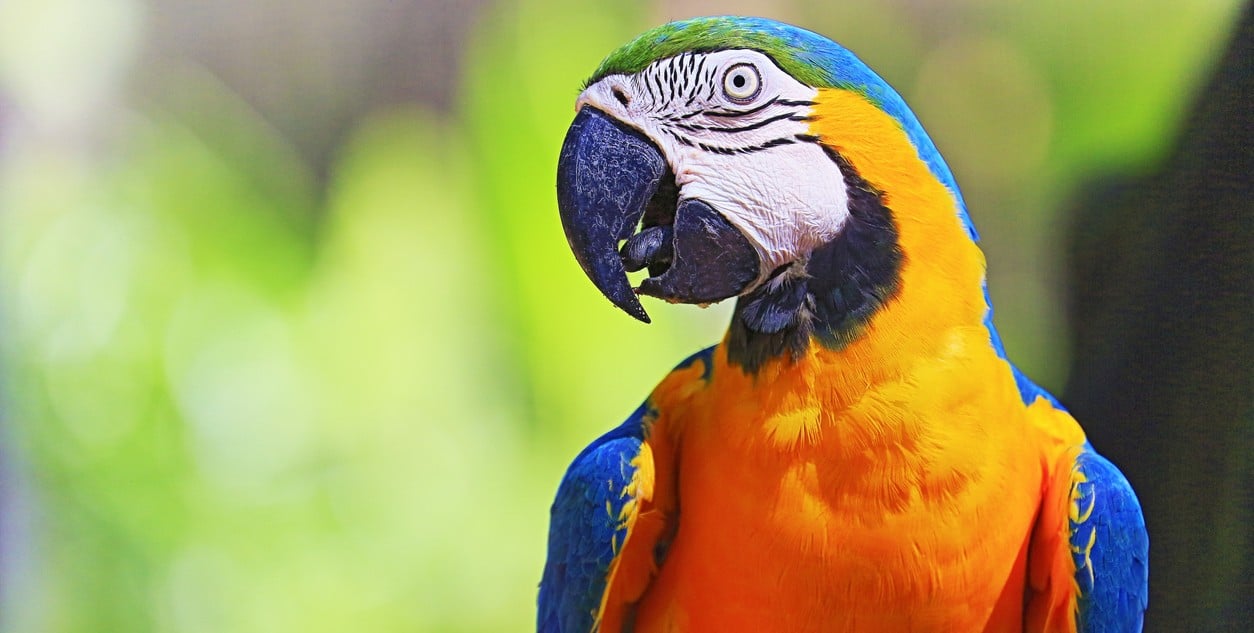
Birds Don’t Belong in Cages
In nature, most birds spend their days soaring through the sky, spending quality time with their partners, and raising babies. A cage takes all of that away.
All captive birds, whether captured from nature or bred in captivity, lose the close bonds and freedom they would have in their natural homes. Birds live in flocks, preening, playing, and sharing parenting duties; many keep one partner for life. Confinement causes intense stress, frustration, and abnormal behaviors such as feather plucking, pacing, or self-mutilation.
They need flight, mental stimulation, and companionship that humans cannot replicate. A cage is not a home. It’s lifelong deprivation.
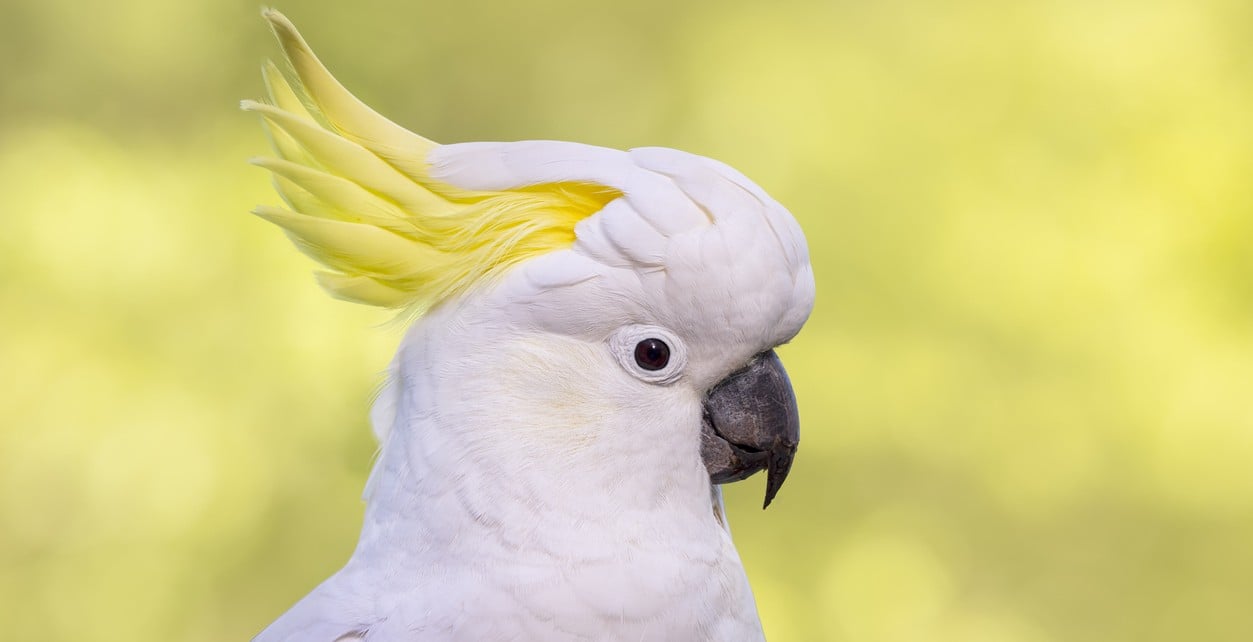
The Bird Trade Is Cruel
Breeders and dealers smuggle birds, crowd them into breeding mills, and sell them in stores or online. Some operations clip birds’ wings, force-feed them, or ship them in cramped, unsafe conditions—and many die before reaching a home. Even captive-bred birds often lose their parents prematurely because breeders take them at a young age and sell them as commodities. Retailers encourage impulse buying, leaving unprepared guardians struggling to meet the needs of complex, sensitive beings—perpetuating a cycle of suffering and abandonment.
This cycle of neglect will only end when people stop buying birds.
Birds Need Birds
Most bird species are highly group oriented. Parrots like budgies, cockatiels, and macaws live in large groups, calling, grooming, and flying together with hundreds of other companions. No human companionship can replace the presence of other birds—or the experience of flying freely with them. When people isolate a bird in a cage, they deny them essential social contact. Loneliness leads to frustration, self-harm, and chronic stress.
To appreciate birds, watch them in nature where you can see their remarkable relationships, intelligence, and beauty while avoiding the harm that captivity causes.
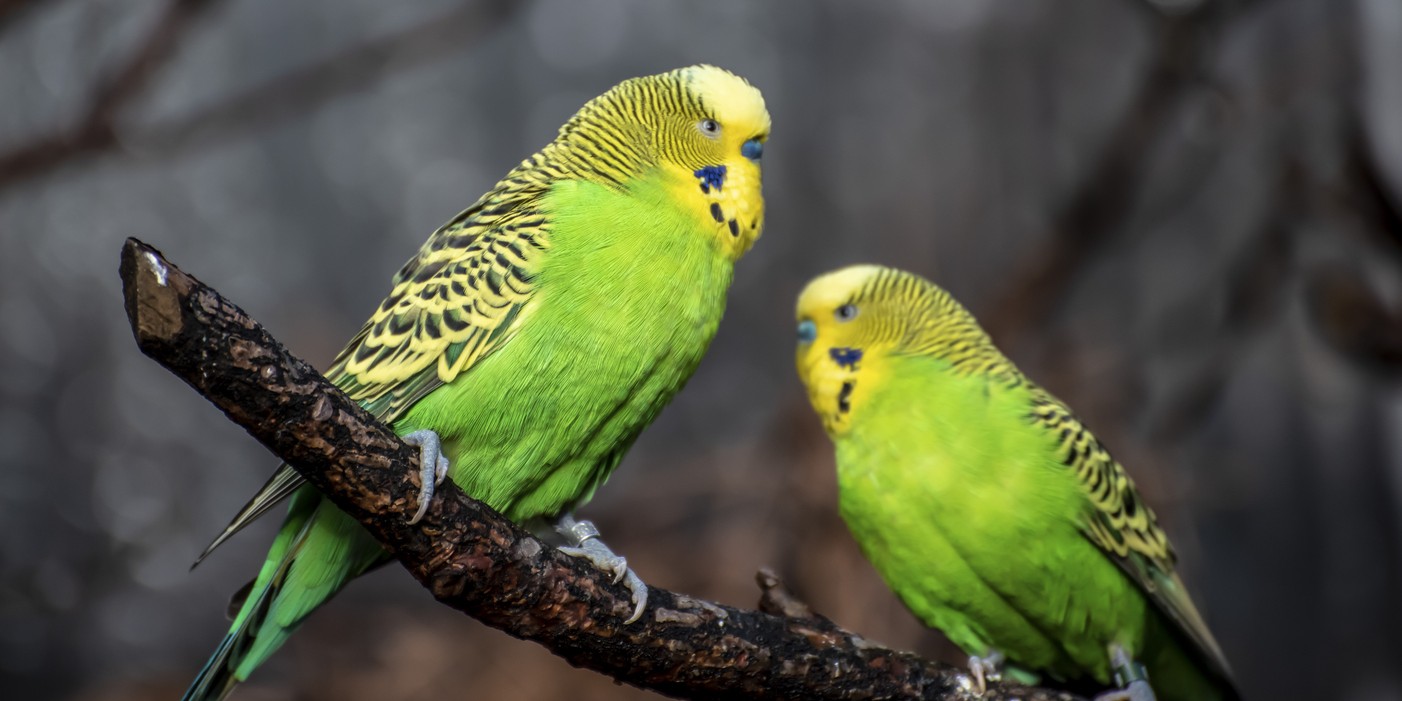
Birds Are a Big Responsibility
Birds have long life expectancies and require expert care, mental stimulation, and constant attention. Many species can live decades—some parrots up to 80 years or more—yet most people who buy birds underestimate this commitment. Birds are curious, vocal, and energetic, making them demanding companions. And since no amount of care or attention can replace the constant stimulation and rich lives they experience in their natural habitat, many captive birds develop behavioral or health problems.
Because their needs are so demanding, many people surrender birds or leave them confined for life.
If you already have a bird at home, do everything you can to help them live more like the engaged, community-minded individuals they are. Let them fly daily; offer foraging, shredding, and puzzle toys; keep them stimulated with gentle interaction; and offer a wide range of fresh, nutritious foods. Give them room, freedom, and attention—and never confine them to a tiny cage. They depend entirely on you to help meet needs that captivity can never fully satisfy.
Birds are not toys, decorations, or “pets.” They are individuals meant to soar, not sit behind bars.
Text VEG to 73822 to get the latest vegan lifestyle tips, recipes, and urgent action alerts texted right to your phone.
Terms for automated texts/calls from PETA: https://peta.vg/txt. Text STOP to end, HELP for more info. Msg/data rates may apply. U.S. only.


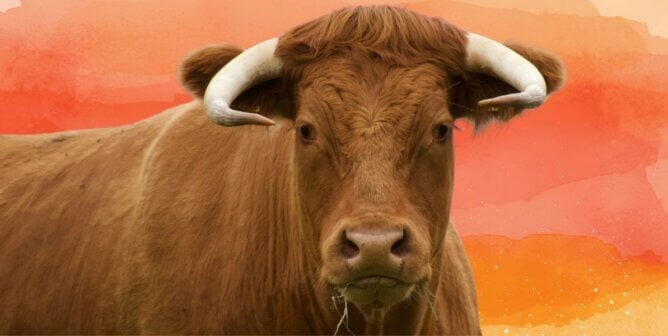
From stopping bullfights to challenging cruel experiments and taking action in the streets, see some of PETA Latino’s biggest achievements for animals this year.

Whether you’re helping a dog into the car, carrying them away from danger, or lifting them onto an exam table, the way you pick up a dog matters.
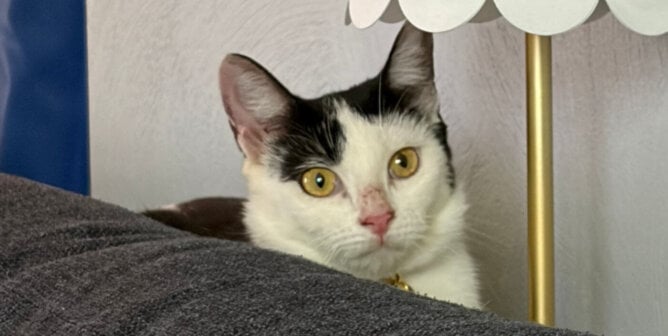
Like every companion cat, Sky deserves the safest, most nurturing home and family. You best believe PETA will be reaching for the stars during this adoption search!
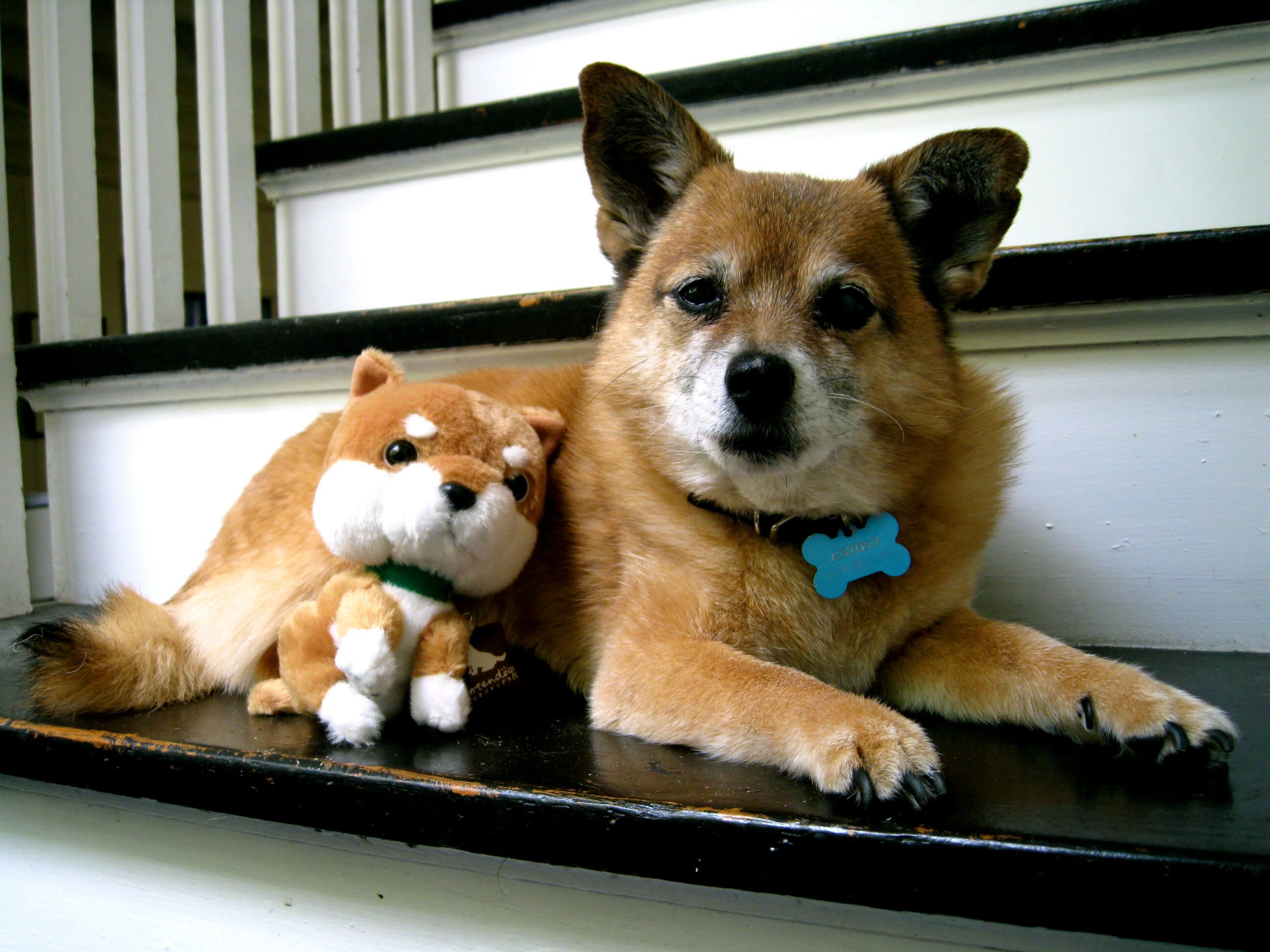
Learning how to prevent dog injuries from jumping and stairs can make a major difference in a dog’s long-term comfort, mobility, and quality of life.

