Are Pit Bulls Prone to Health Issues?
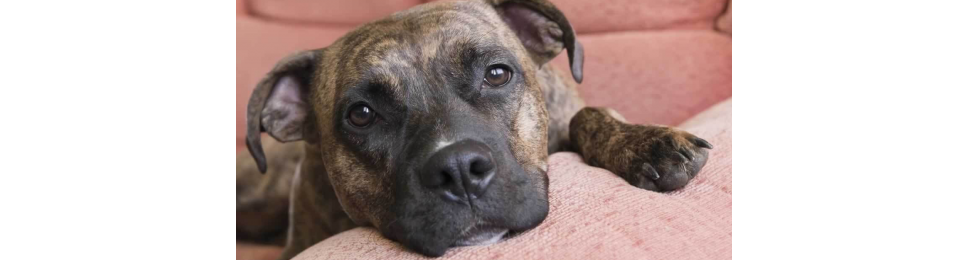
Did you know that pit bulls and pit mixes are among the most abused and exploited dog breeds? If you see an ad for a pit bull for sale, never buy one. Like all dogs bought and sold, pit bulls are exploited from birth to line the pockets of breeders who don’t care what happens to them once they’re grown, including abuse, neglect, or a lifetime of enduring painful health conditions.
The History of the Pit Bull
Humans first bred pit bulls in the United Kingdom by crossing Old English Bulldogs with terriers. Breeders created pit bulls for now-outlawed bloodsports, like bull-baiting and dogfighting, or guarding property.
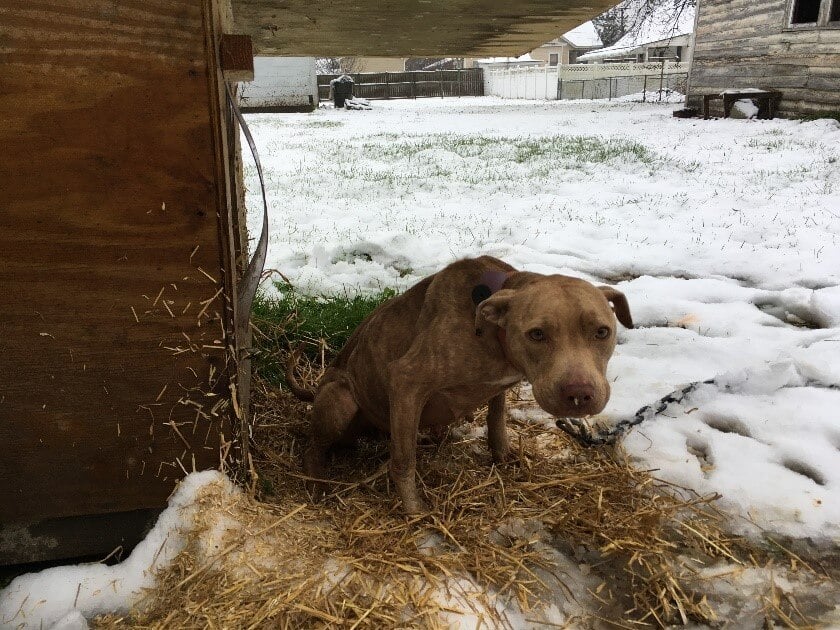
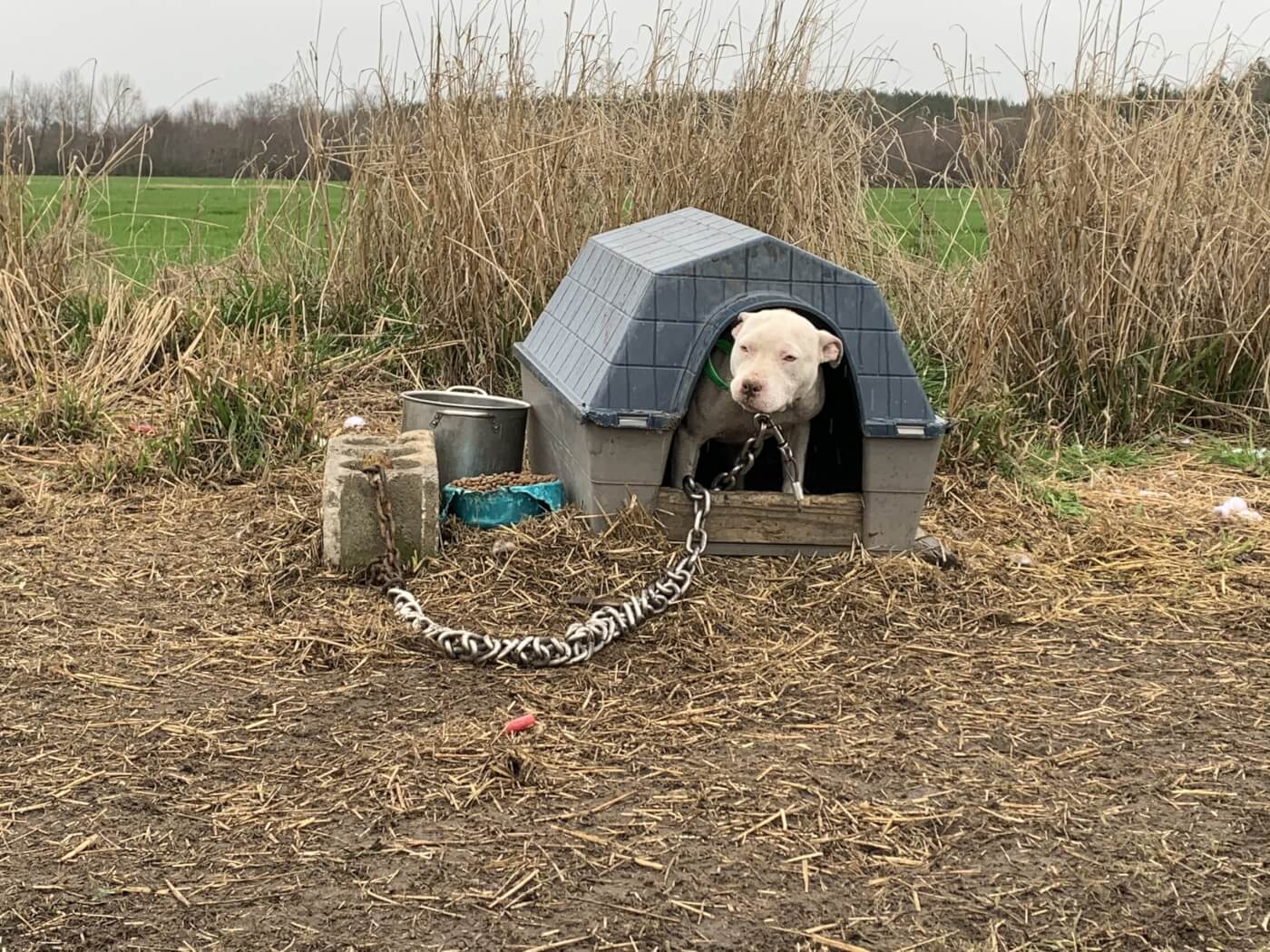
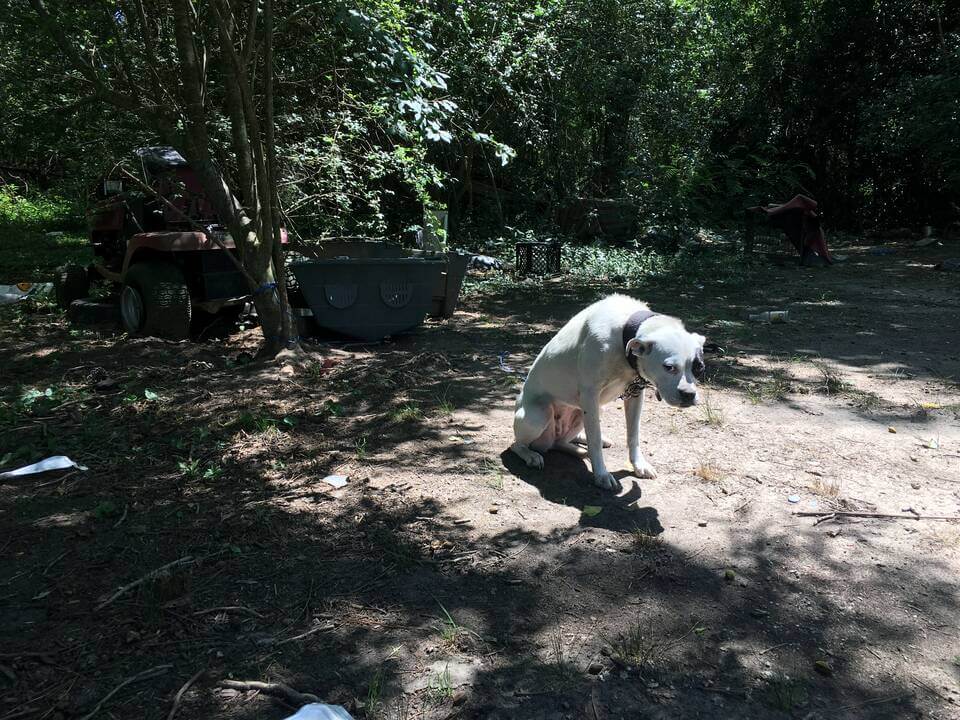
Today, millions of pitbulls are exploited as “guard dogs,” used by cruel people in illegal dogfighting rings, or forced to serve as living props for intimidation. Many of these dogs spend the majority of their lives attached to heavy chains in barren yards, deprived of companionship, comfort, and care. And because pit bulls are plentiful and often given away or sold to anyone with cash, abusers can easily acquire them to use in dogfights or as disposable property.
Is PETA Pro–Pit Bull?
PETA is pro–every dog, but anti-breeding. Because pit bulls are among the most abused and abandoned breeds in the U.S., they are at the heart of much of PETA’s fieldwork and rescue work. Through our mobile spay/neuter clinics, PETA helps thousands of pit bulls stop contributing to the animal overpopulation crisis. PETA even offers transportation when guardians can’t get their dogs to the clinic. These services prevent the birth of countless puppies, helping to curb the cycle of neglect and abandonment that pit bulls endure more than any other breed.
PETA fieldworkers also help countless pit bulls suffering outdoors, and offer them what they’ve likely never had before: kindness, attention, and respect. They bring these lonely “backyard dogs” food, fresh water, affection, and provide custom-built doghouses to those without shelter.
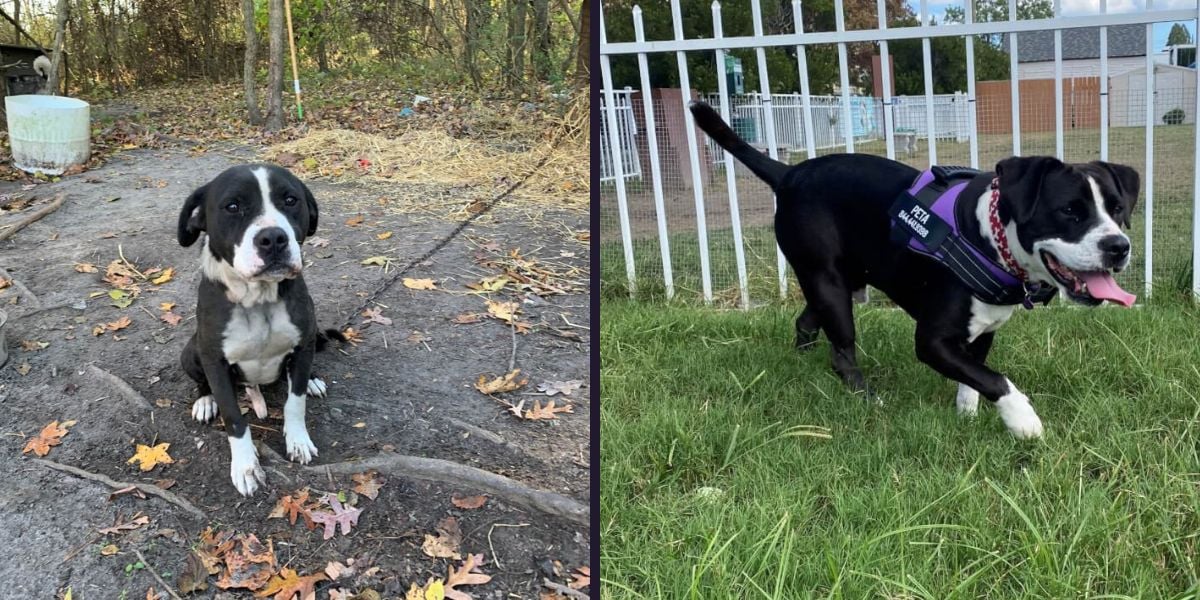
Fieldworkers do everything they can to convince dog guardians to bring them indoors and treat them as family, or surrender them for their best chance at adoption into a loving home. PETA even takes cruel guardians to court, often on behalf of their suffering pit bulls. We have also found homes for dogs like Duke, Wally, and Cameron. Whenever PETA’s fieldworkers visited Duke—a sweet-natured pit bull mix chained in filthy conditions in rural North Carolina—all he really wanted was attention. He and the other dogs trapped on the Bertie County property were severely neglected and malnourished—tethered by heavy chains on the same small patch of dirt regardless of the weather, plagued by flies, yelled at or simply ignored by their owner, and denied desperately needed veterinary care, exercise, food, and even water. Despite PETA’s repeated attempts to inform the dogs’ owner about their most basic needs, one winter day, fieldworkers checking in on the dogs found the emaciated remains of Minnie—Duke’s daughter, another pit bull—still chained to her doghouse. A necropsy later revealed that Minnie had died of “starvation and extreme neglect.” The dogs’ owner was charged with seven counts of cruelty to animals for the prolonged neglect of Duke, Minnie, and five other dogs. After a long legal battle, PETA was granted permanent custody of Duke and his fellow survivors, where he quickly recovered.
At just a few months old, Wally looked more like a baby rhinoceros than a puppy. He was suffering from a severe case of mange—a parasitic skin disease caused by mites. He had lost much of his fur, and a secondary infection caused his thickened, scaly skin to become inflamed and itchy. After just a few weeks of veterinary treatment and some loving care in a foster home, Wally’s fur grew back and his skin (and spirit) healed. These days, he’s the exuberant, playful puppy he was meant to be all along—and he finally looks like one, too.
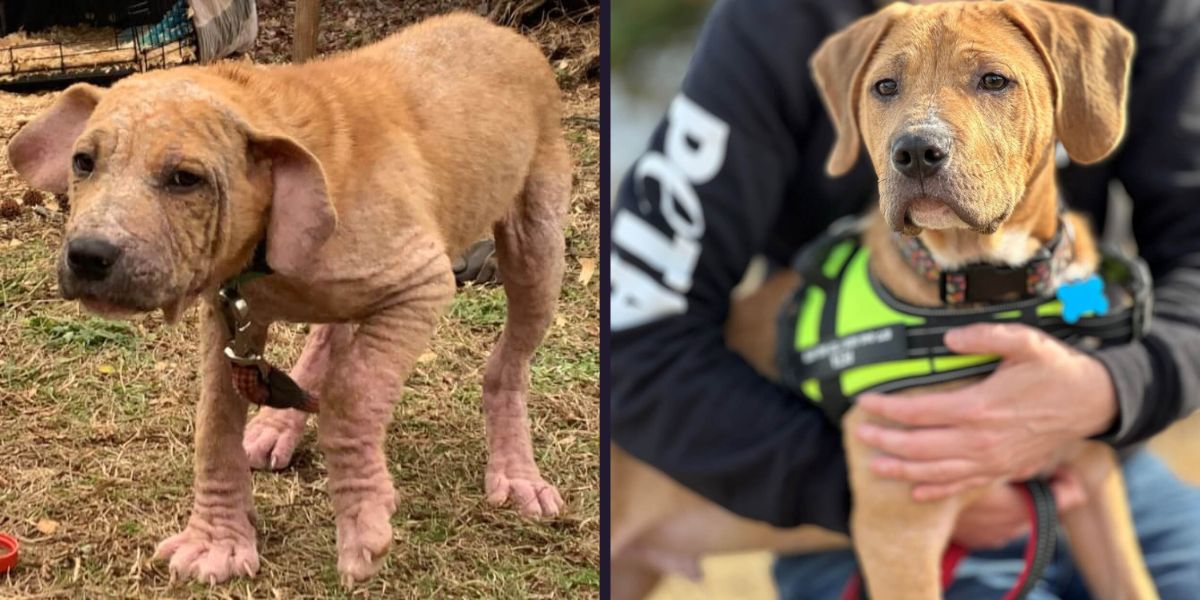
When PETA fieldworkers first met Cameron, he was tied to a tree, thin, and his skin was red, swollen, and—in some spots—open, raw, and bloody. He was severely malnourished, which had caused his limbs and paws to become deformed. His lymph nodes were swollen—fallout from suffering a head-to-toe skin infection secondary to demodectic mange, all while sitting in his own waste. Thankfully, PETA was able to secure custody of the ailing pup, and with veterinary care and lots of love from his foster guardians, Cameron recovered.
What Types of Pit Bulls Are There?
The name “pit bull” is often used to refer to various “bully breeds.” The dogs most commonly referred to as pit bulls are the American Pitbull Terrier, American Staffordshire Terrier, Staffordshire Bull Terrier, and American Bully. Although they are all unique, these bully breeds share many common traits—including their broad heads, barrel chests, and many health issues.
5 Reasons to Never Buy a Pit Bull for Sale
Besides the reasons above, pit bulls and pit bull mixes suffer from many physical ailments associated with their genetics.
1. Pit Bulls Suffer Painful Joint Problems
Hip and elbow dysplasia are common in pit bulls. These conditions develop when bones like the femur and pelvis grow at different rates, causing looseness in the joint. Hip and elbow dysplasia can cause arthritis and severe pain, causing dogs to limp and struggle to rise.
2. Allergies and Skin Infections Leave Pit Bulls Itchy and Miserable
Pitbulls often suffer from chronic allergies, with common triggers being:
- Chicken flesh, beef flesh, cow’s milk, and wheat
- Pollen
- Fleas (flea-allergic dermatitis)
- Dust mites
- Mold
These allergens leave pit bulls itchy, uncomfortable, and vulnerable to secondary infections. Food sensitivities and environmental allergens can cause constant scratching, ear infections, and hair loss, so avoiding triggers requires continuous vigilance. Vegan dog foods, hypoallergenic bedding, an air purifier, and regular vacuuming can help relieve some symptoms, but there’s no “cure” for a pit bull’s allergies.
Pit bulls and mixes are also more prone to demodectic mange—like Cameron suffered from—than other dogs. The mites are naturally occurring, and a healthy dog’s immune system keeps them at a tolerable level, but when a dog is unhealthy, immunocompromised, or stressed, the mites can get out of control and cause mange, with hair loss, inflammation, and secondary skin infections. It makes the dogs miserably uncomfortable.
3. Pit Bulls Are Prone to Eye Issues
Regular eye check-ups are necessary for pit bulls, especially Staffordshire Terriers and mixes, as they are more prone to developing cataracts than other dogs. Young pit bulls are more likely to develop cataracts than most other dogs, and may show signs of juvenile cataracts before they turn 6 years old. If caught early, medications can help limit the excess protein buildup that causes the milky vision-obscurer, but if left without treatment, cataracts will impair vision and require surgery.
4. Bloat Can Strike Barrel-Chested Pit Bulls Suddenly
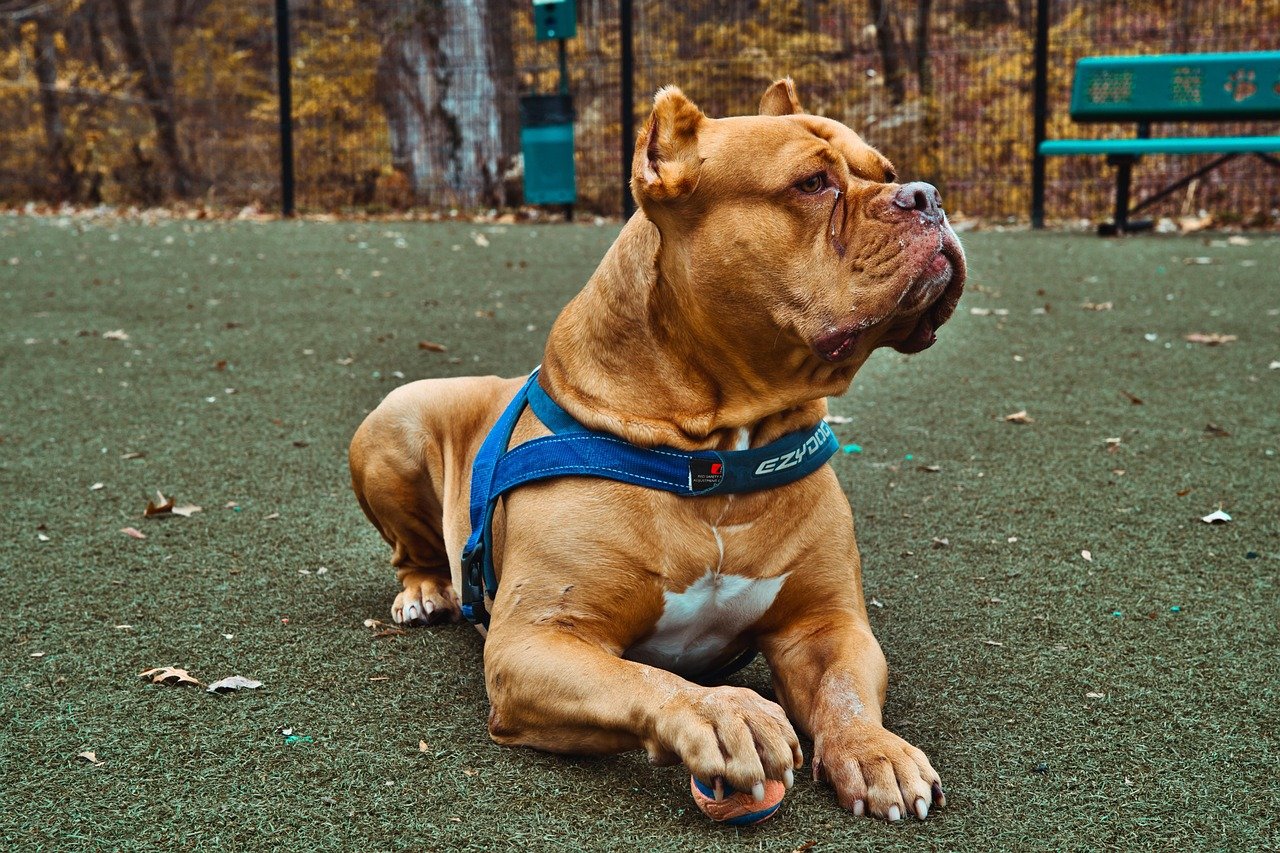
Due to the vast, deep, barrel-shaped chest breeders have forced pit bulls to have, they are especially at risk for gastric dilatation-volvulus (GDV), commonly known as bloat. Bloat occurs when a dog’s stomach twists after eating, trapping gas and food inside the stomach while cutting off the blood supply to the stomach and other organs. Bloat is a life-threatening emergency, and dogs showing symptoms of bloat need medical attention immediately, as this painful condition can kill in hours without emergency surgery.
5. Short-Snouted Pit Bulls Struggle to Breathe
Pit bulls and their descendant “bully” breeds, particularly those bred with shorter snouts and flatter faces, can show signs of an uncomfortable, debilitating, and sometimes fatal condition called brachycephalic obstructive airway syndrome.
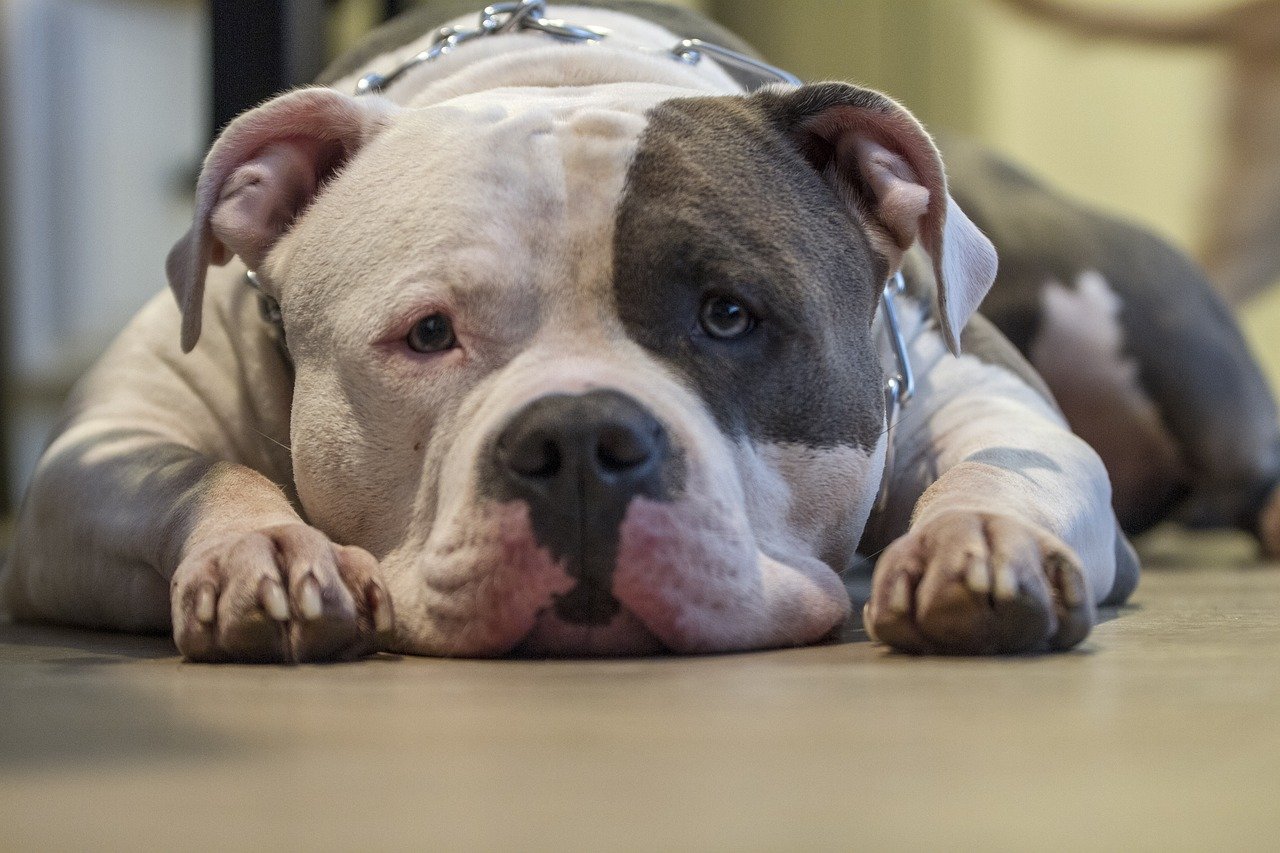
Because breeders purposefully cause dogs to have flattened faces, they are born with snouts that are shortened and pushed so far back against their skulls that there isn’t enough space to accommodate their normal anatomical features. Dogs with flat faces suffer from distressing and painful symptoms, including labored breathing, snorting, snoring, coughing, gagging, retching, vomiting, tiring easily, collapsing, and fainting. Over time, brachycephalic obstructive airway syndrome can cause secondary problems, including airway inflammation and strain on the heart from struggling to breathe.
Many dogs struggle to breathe due to brachycephalic obstructive airway syndrome. Going for a walk, chasing a ball, running, and playing—the things that make dogs’ lives joyful and fulfilling—are impossible for many breathing-impaired breeds.
How Much Does a Pit Bull Cost?
Ultimately, the cost of buying a pit bull or a pit bull mix is not only the dog’s life but the lives of multiple other dogs. Don’t throw money at the dog-breeding industry, which doesn’t care about animals’ well-being.
As a breed, pit bulls face systemic, relentless abuse and neglect. They are also the most frequently abandoned dog breed, and as a result, pit bulls and pit mixes are some of the dogs most commonly found in shelters. You’ll be doing an incalculable amount of good in the fight to end the companion animal overpopulation crisis by adopting from an open-admission shelter if you’re ready for the lifetime commitment.
Text VEG to 73822 to get the latest vegan lifestyle tips, recipes, and urgent action alerts texted right to your phone.
Terms for automated texts/calls from PETA: https://peta.vg/txt. Text STOP to end, HELP for more info. Msg/data rates may apply. U.S. only.


From stopping bullfights to challenging cruel experiments and taking action in the streets, see some of PETA Latino’s biggest achievements for animals this year.

Whether you’re helping a dog into the car, carrying them away from danger, or lifting them onto an exam table, the way you pick up a dog matters.
Like every companion cat, Sky deserves the safest, most nurturing home and family. You best believe PETA will be reaching for the stars during this adoption search!
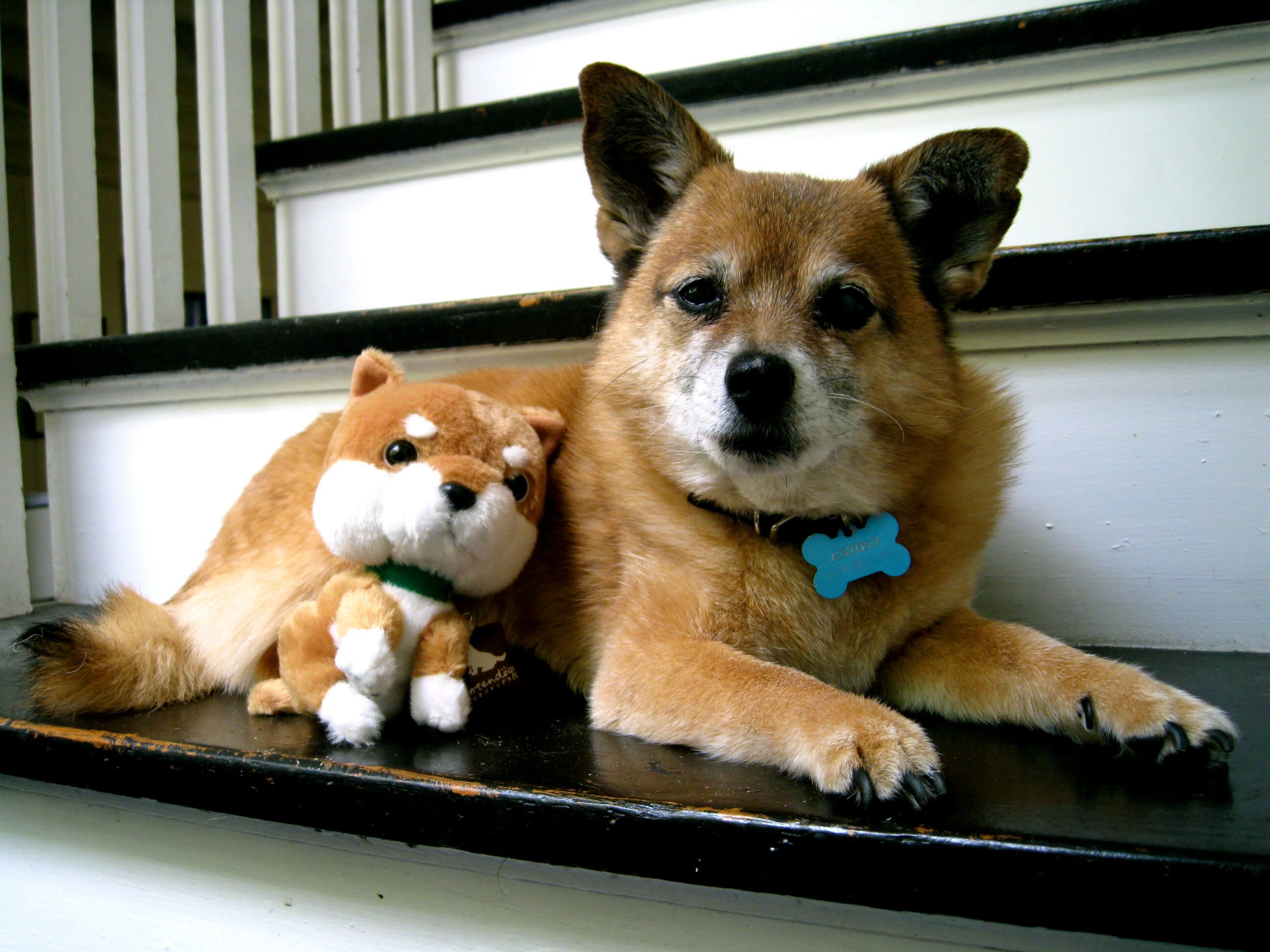
Learning how to prevent dog injuries from jumping and stairs can make a major difference in a dog’s long-term comfort, mobility, and quality of life.