Abandoned: How No-Kill Policies Cause Animal Homelessness
Dog abandoned with backpack of supplies, kittens abandoned in a sealed box during a heatwave, and a dog found tied up with a note reading “Please help.” These heartbreaking stories of abandoned animals are just a few snippets of a massive crisis. Why are these stories flooding the news and social media more than ever? A surprising and overlooked reason is driving this influx of atrocities. Take a look:
The answer is “no-kill” policies. What happens to animals who are denied access to shelters? They are often abandoned outside to die slow, painful deaths, or are cruelly killed.
How ‘No-Kill’ Policies Lead to More Abandoned Animals
Even after explaining that she is unhoused and undergoing chemotherapy, Baby Girl’s former guardian was reportedly rejected by seven animal shelters before she resorted to tying her dog to a fire hydrant with a backpack of supplies.
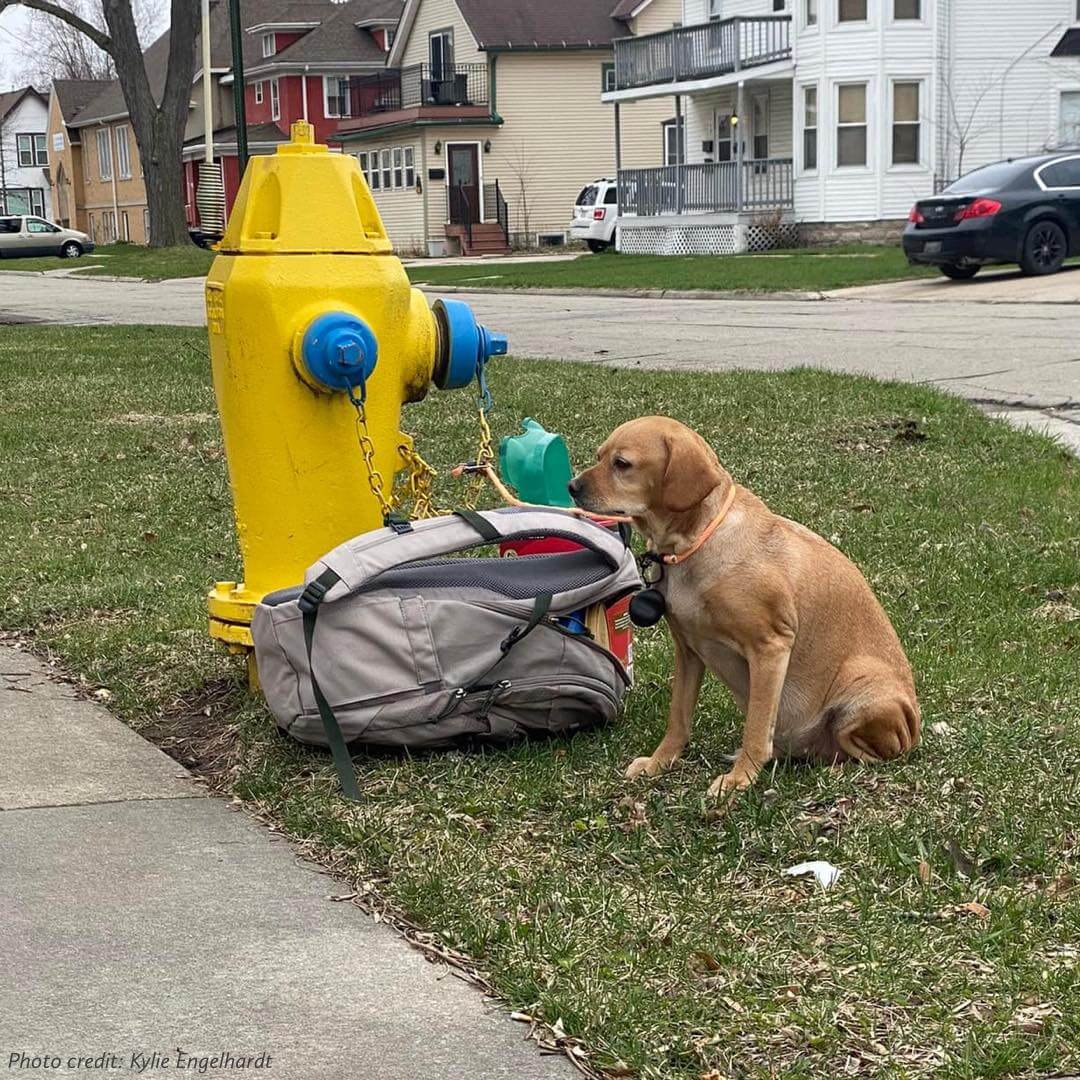
One shelter allegedly told the desperate woman that she must wait an entire week before they would accommodate Baby Girl. Even the shelter that ultimately took her in instructs people who want to surrender an animal to make an appointment, pay a surrender fee, and provide a valid photo ID—requirements many people cannot or will not meet.
“I begged the animal shelter to please take her in. “I’m surrendering her. I don’t have an option. I don’t have a choice,” and they would not take her. I said, “I don’t have an option right now. I’m on the streets. I need to surrender her… It was the worst. It was the hardest thing I’ve ever done in my life.” —Baby Girl’s Former Guardian
Shelters are not exclusive clubs or boutiques; they are meant to be refuges for animals in need. When shelters make it difficult for people to surrender animals, closing their doors and refusing to help, they leave families with nowhere to turn. Many rejected animals are abandoned on the streets. Terrified and alone, they dodge traffic, scrounge for scraps, and drink from polluted puddles—if they can find any water at all. They shiver in the cold and pant in the heat. Many starve and die in agony from untreated infections or injuries. Others remain in the hands of people who don’t want them and who may chain or pen them outdoors—a miserable, lonely existence—or neglect or even cruelly kill them. Worse still, these abandoned and/or neglected animals also breed more homeless animals who will suffer the same fates.
Most abandoned animals are not as lucky as Baby Girl was:
- In Las Vegas, three dogs were abandoned in the parking lot of a no-kill animal shelter after it refused to accept them. A car ran over one dog, injuring him so severely that he had to be euthanized.
- A shelter in Florida rejected a kitten whose owner then dumped him in the facility’s parking lot. A vehicle ran over him, crushing his skull. He died days later.
- Approximately 50 cats were reportedly left in a hoarder’s home in New York because area shelters had no space for them.
Communities learn the hard way that to play the “high-save-rate” game, something has to give. Because the number of homeless animals far exceeds the number of available homes, facilities are always full, no matter what is done to attract more adopters. Sick, injured, old, aggressive, and other “unadoptable” animals are turned away—since accepting them would hurt the “save” statistics.
How You Can Help Animals in Your Community
The “Abandoned” video was created as a response to the many cases of animals being turned away around the country and shelters restricting their intake policies. Shelters should serve as safe havens for animals. There should be no waiting lists, no surrender fees, and no excuses.
If your local shelter has harmful policies and restricts or turns away animals, please speak up and encourage humane, responsible “socially conscious sheltering.” The basic steps are simple: Document your experiences, gather support, and make your case. Your involvement can make a world of difference to the companion animals in your community who need you the most. And share this video with everyone you know.