Feds Send 1,000 Endangered Monkeys to Cruel Charles River Laboratories
Update (August 06, 2025): In a stunning act of capitulation, U.S. federal agencies have handed Charles River Laboratories exactly what it wanted: permission to keep and experiment on more than 1,000 endangered monkeys—animals who were almost certainly trafficked from the wild.
Authorities also closed their investigation into the company’s monkey trafficking pipeline from Cambodia. The monkeys were previously seized as part of an investigation by the U.S. Fish & Wildlife Service, the Department of Justice, and the Homeland Security, which found the animals were torn from their forest homes and families. PETA consulted with government officials, secured placement, and pledged $1 million toward the monkeys’ lifetime care in sanctuaries.
PETA will not stop fighting to help animals abused by the deadly monkey importation industry. Join us and take action below to urge the Centers for Disease Control and Prevention to shut down the monkey-abduction pipeline.
Original post:
More than 1,000 endangered monkeys have been languishing in steel-cage limbo for over a year because of the U.S. Fish & Wildlife Service’s (FWS) foot-dragging cowardice. We need to let the agency know that these monkeys—likely ripped from their forest homes—have not been forgotten and must be sent to sanctuary homes.
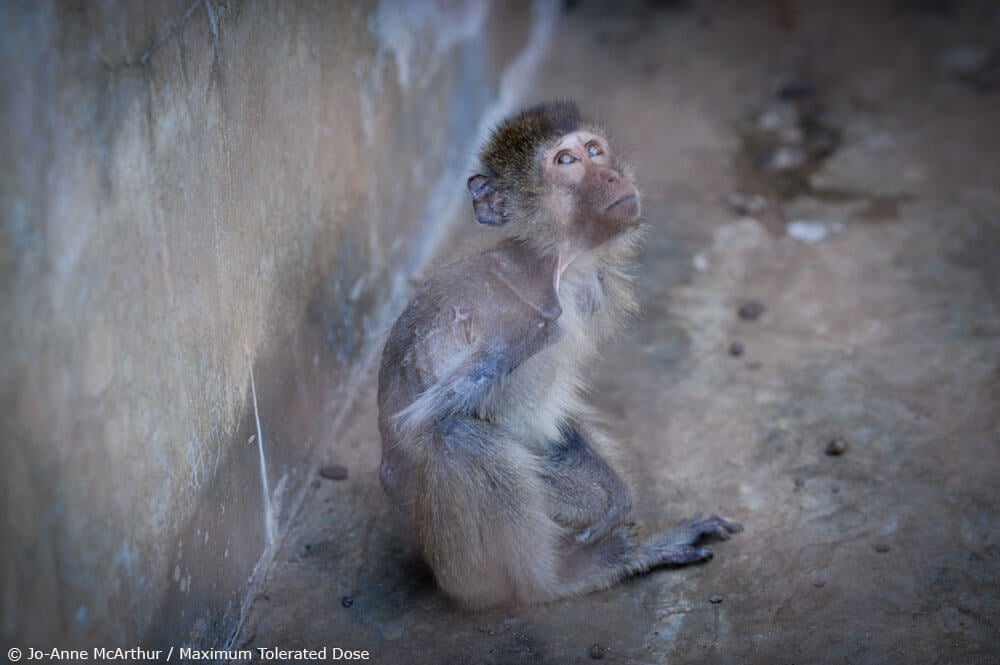
In early 2023, PETA learned that the agency had prohibited 1,269 monkeys, who had been brought into the U.S. by notorious monkey dealer Charles River Laboratories, from being experimented on because the company allegedly illegally imported them from Cambodia.
Around the same time, we learned that according to a filing with the U.S. Securities and Exchange Commission and a company shareholder briefing, the U.S. Department of Justice (DOJ) and the FWS launched an investigation into Charles River for possible violations of monkey-importation laws. We’re demanding that any monkey victims of illegal activities, including these 1,269 animals, be released to sanctuaries at the company’s expense. PETA and Born Free USA, which runs one of the largest monkey sanctuaries in the U.S., are ready to facilitate this. And if Charles River is found to have illegally imported monkeys, we’re demanding that its import license be revoked.
This follows DOJ indictments of Cambodian officials and nationals for allegedly selling monkeys abducted from their forest home as bred in captivity.
Charles River’s 2023 shareholder report contained glaring omissions. Among other things, it neglected to divulge its link to the monkey supplier whose employees were indicted for alleged monkey smuggling and laundering. We’ve sent a letter to the company’s CEO, James C. Foster, calling on him to come clean about this.
“Charles River’s shareholders have a right to know that their company is linked to businesses allegedly mixed up in illegally importing wild monkeys. PETA is calling on Charles River to divulge its full role in driving the extinction of macaques worldwide by importing and experimenting on monkeys instead of embracing superior animal-free research.” —Dr. Lisa Jones-Engel, PETA primate scientist
Importation of monkeys by Charles River and other U.S. laboratory suppliers are pushing these monkeys to the brink of extinction. Recent reports out of Southeast Asia indicate that there will soon be no wild monkeys left in Cambodia, Laos, or Vietnam.
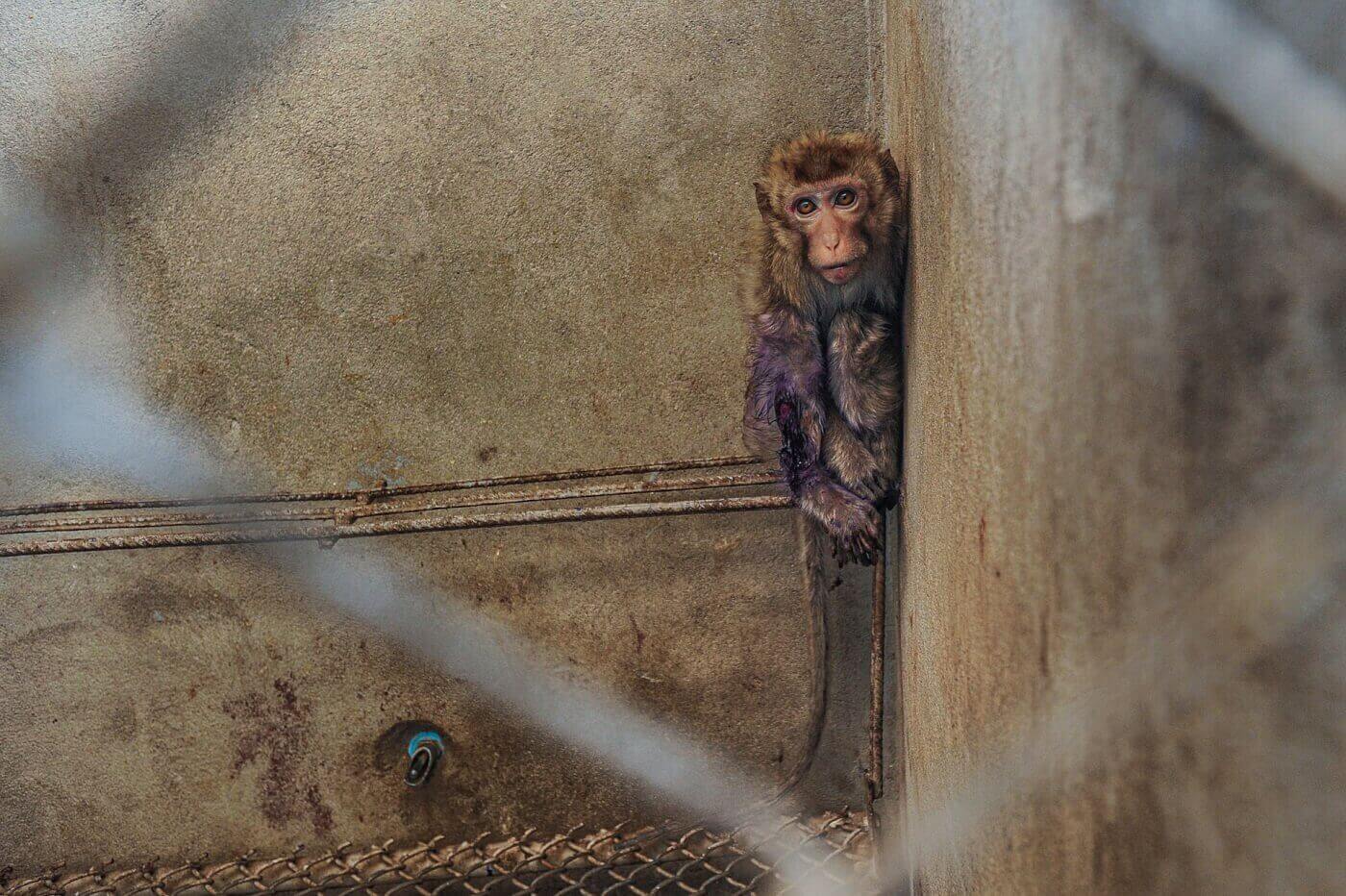
Charles River has a long history of violating laws and regulations. It has failed to conduct proper veterinary inspections before trucking monkeys across the country and even baked monkeys alive. It must now be held accountable.
Since these monkeys can’t go back home to their families in nature, the FWS must now do the next best thing by sending them to reputable sanctuaries and ensuring that Charles River is never allowed to import monkeys again.

