|
"It appears that the
first intention of the Maker was to have men live
on a strictly vegetarian diet. The very earliest periods
of Jewish history are marked with humanitarian conduct
towards the lower animal kingdom. ... It is clearly
established that the ancient Hebrews knew and perhaps
were the first among men to know, that animals feel
and suffer pain."
—Rabbi Simon Glazer
Passover—the universal story of dignity, hope, and
freedom—teaches that all suffering matters to God.
And that means, of course, that it should matter to
us as well. It is odd to celebrate freedom if we still
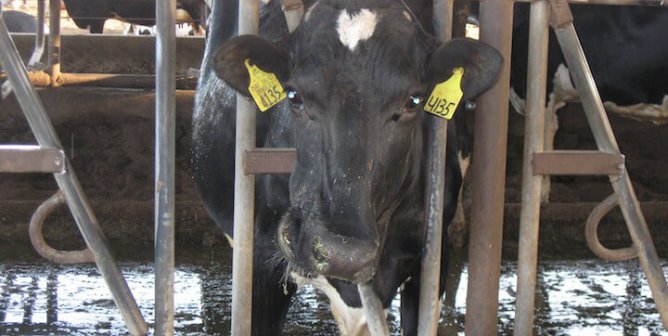
dine on the flesh of animals who spend their lives
caged in cement stalls no bigger than their own bodies,
never able to look up at the sky or feel grass beneath
their feet. The very premises that lead many to conclude
that it is permissible to eat meat—that animals have
no merit beyond how they might taste and that animal
suffering is of no consequence—are antithetical to
the humanity and compassion of Judaism.
Refusing to have a hand in that suffering is especially
timely at Passover, for in commemorating the escape
of the Jews from Egyptian bondage, the holiday reminds
us of the importance of continuing the battle for
freedom. Prayers said on Passover call on us to be
kind to those who are now oppressed and to deepen
our commitment to liberty today. What better time
than Passover to extend our compassion to every living
being? And what better way to celebrate the spirit
of the holiday than by practicing vegetarianism?
|
"There
is no difference between the worry of a human
mother and an animal mother for their offspring.
A mother's love does not derive from the intellect
but from the emotions, in animals just as in
humans."
—Rabbi
Moses ben Maimon (Maimonides)
|
We hope that you will start a new Passover tradition
this year by adding kindness to the plate. Traditionally,
most Jews include an egg on the ritual seder plate—to
symbolize spring and life—but many now replace it
with a flower. Using an egg from a chicken who spent
her short life in death-like conditions—squeezed inside
a tiny, crowded cage, barely able to move—mocks that
symbolism. In place of the shank bone set on the seder
plate to remind us of "the mighty arm of God,"
many Jews use a beet, as allowed in the Talmud. And
the cholesterol-laden array of animal foods often
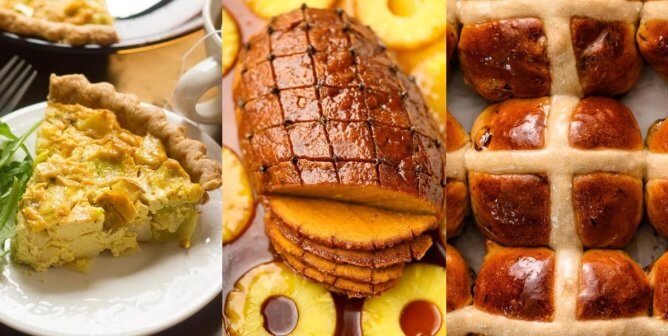
found on the Passover table can easily be replaced
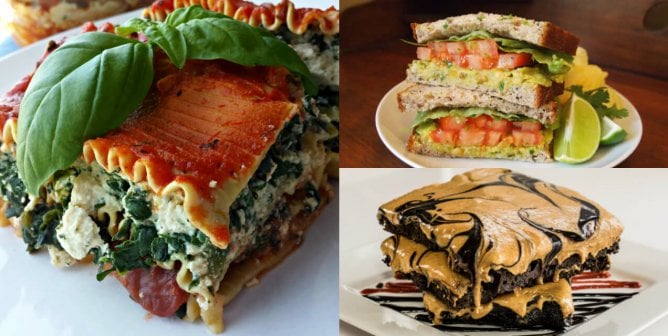
with delicious, healthful, and humane dishes.
Check out our favorite Passover recipes to get started.
Protesting against injustice should
lead to a table free of cruelty, as people of all
religions begin to recognize that suffering is suffering-no
matter who is experiencing it.
|