
Which Way to the Sandbar?
You won’t catch a male ninespine stickleback asking that question, according to a recent study conducted at the University of St. Andrews in Scotland. Researchers Dr. Mike Webster and Professor Kevin Laland found that while ninespine sticklebacks are known to be capable of sophisticated social learning behavior, including communicating with each other about where to find the best food sources, males who are preparing to breed will stop “asking for directions,” so to speak, and go out foraging for food on their own.
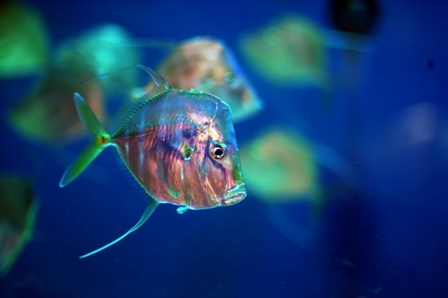
The researchers believe that the fish do this because they need to find new food reserves that they can easily return to once their babies hatch, after which they will need to spend more time guarding and caring for them.
Says Dr. Webster, “Over the last few years, we have learned the surprising extent of the cognitive capabilities of many species of fish, and recent research has shown that rather than blindly copying others, fish are selective in when they copy and even who they learn from.”
Sound like someone you know? No word on whether male ninespine sticklebacks also monopolize the remote and leave the toilet seat up.
Written by Alisa Mullins

