
These Videos Prove That Animals Really, Really Don’t Want to Be Imprisoned in Zoos
These animals have had it with the zoo, and for good reason.
Many members of the zoo industry regard the animals they keep as commodities, and animals are regularly bought, sold, borrowed, and traded without regard for established relationships. Ticket sales fund these separations, and although zoos may cry “Conservation!” when they breed animals, baby animals are big ticket-sellers for many facilities—and may not be wanted when they are no longer considered “cute” or profitable.
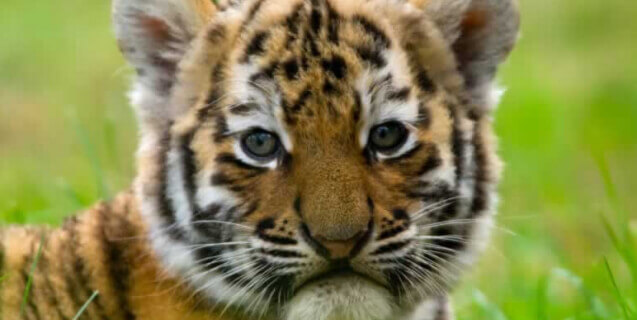
And what’s more, the animals really, really don’t want to be imprisoned there, where typically they either cannot engage in or are severely restricted from engaging in their natural behavior, such as flying, swimming, running, climbing, scavenging, foraging, digging, exploring, and selecting a mate.
Even though animals don’t speak English, it’s clear that they don’t want to be held captive to entertain gawking crowds and noisy children. These videos may have you crossing a trip to the zoo off your family’s summer vacation itinerary.
Gorilla Charges and Breaks Glass
This could have been deadly for people and animals.
Beluga Startles Children
Aquariums, like zoos, imprison complex, intelligent animals. Although the children laugh around the 51-second mark when the beluga lunges toward the glass, a beluga behavior expert told The Dodo that this was a display of aggression from the whale.
Zoochosis
Animals don’t need to be aggressive to show us that they are suffering in captivity.
Many animals in zoos literally lose their minds—a condition called “zoochosis.” Animals with zoochosis engage in neurotic behavior such as swaying and pacing, like this bear:
Animals in zoos may mutilate themselves, become overly aggressive, throw feces, and engage in other abnormal behavior that are not seen in the wild.
All of this is caused by the stress of captivity. If you and your family really care about animals, never pay to see them at zoos or aquariums—instead, only support reputable sanctuaries that provide the most natural environments possible and that never buy, breed or sell animals.

