How Seaweed Could Save Millions of Animals Killed for Experiments
Seaweed is a superstar of the plant world—it nourishes entire underwater ecosystems, maintains the ocean’s biodiversity, and even provides ample nutritional benefits for humans. You may have heard that dulse (a type of red seaweed) can be fried up to make a tasty vegan bacon upgrade. Now, scientists have discovered another surprising and lifesaving use for it: helping spare animals used in experiments.
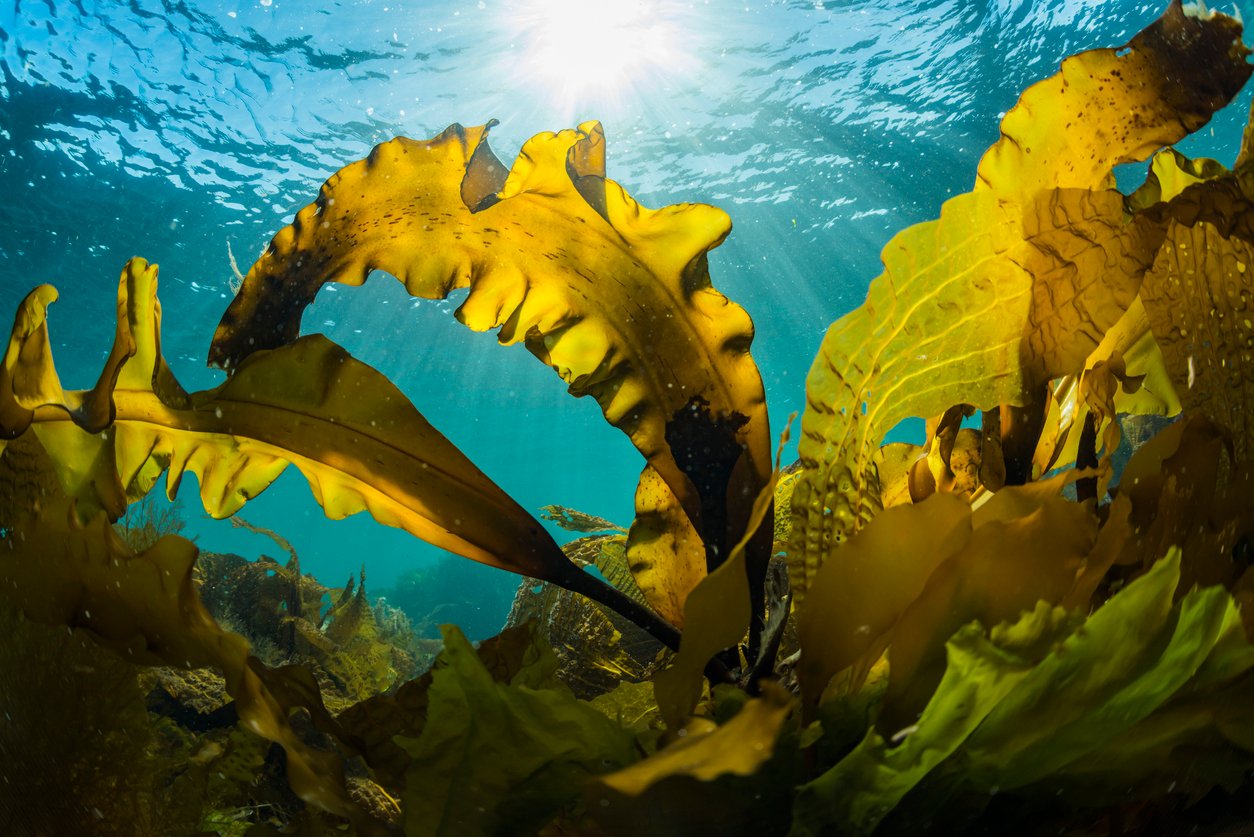
Researchers at Oregon State University found that seaweed can serve as a cheap, vegan, and eco-friendly tissue scaffold—a breakthrough that could transform science forever.
What’s a Scaffold—and Why Does It Matter?
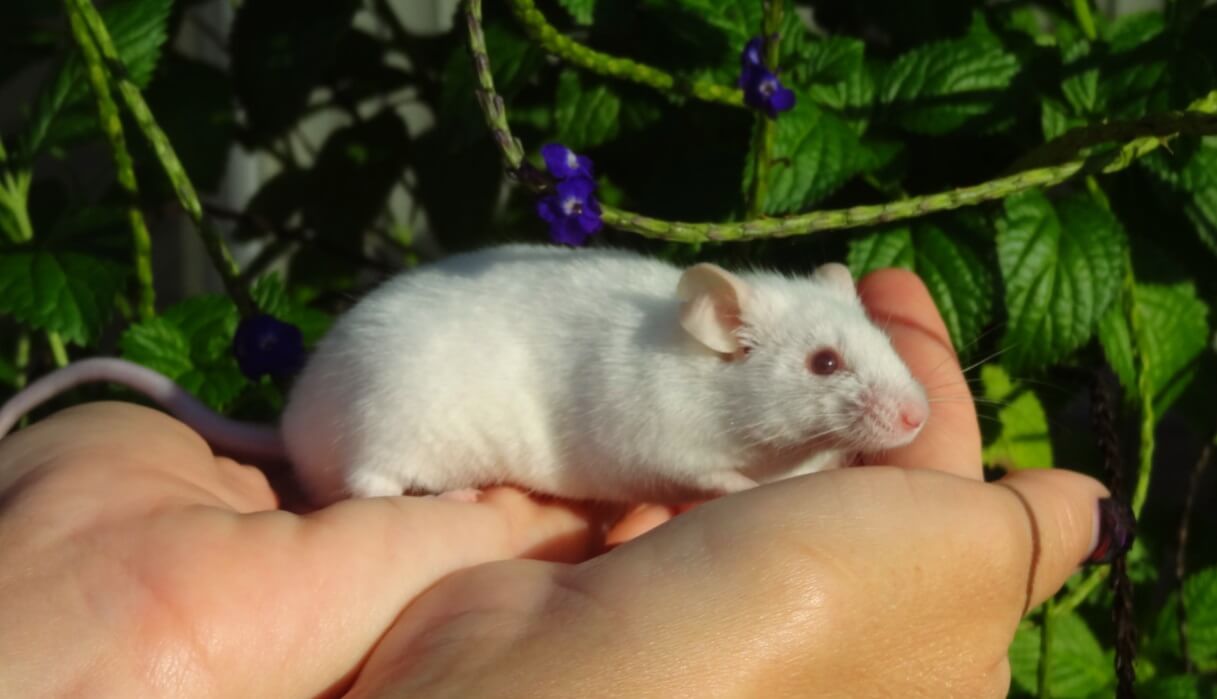
A scaffold is a structure that scientists can use to give cells something to grow on to form cell cultures, tissues, organoids, or spheroids for research. Among many other uses, these materials let researchers study how cells behave within a tissue and how tissue regenerates or heals. Scaffolds are often made from tumors induced in mice. Not only are hundreds of thousands of mice used to make scaffolds every year, but animal-derived scaffolds compromise the reliability and reproducibility of studies. Tissue scaffolds can also be derived from animal body parts, such as collagen or other proteins taken from cows or pigs.
Seaweed-based scaffolds offer a compassionate and sustainable way forward. They provide another viable option to existing synthetic and other non-animal scaffolds.
Seaweed: the Game-Changer in Cell Research
This new study found that seaweed scaffolds are highly compatible with human cells. When treated with a common lab compound called sodium dodecyl sulfate, the scaffolds helped heart cells form strong, fibrous networks.
All of the seaweed-based scaffolds performed remarkably well, marking a major step toward animal-free laboratory research.
Because seaweed scaffolds are plant-based, affordable, and compatible with human cells, they could replace animals used for experiments and help advance regenerative medicine.
Real Science Is Animal-Free
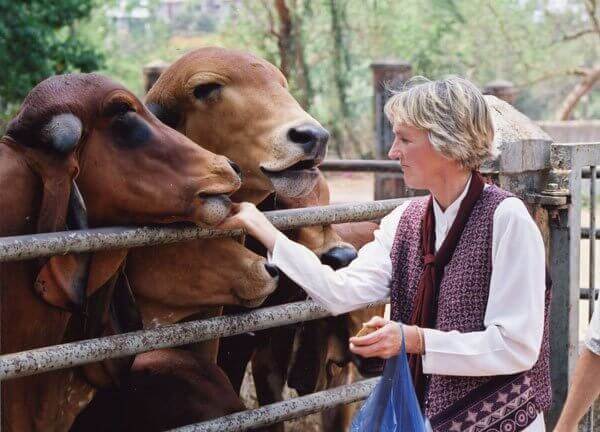
Mice, cows, and pigs are social, curious, complex animals. They form lasting friendships, care for family members, and grieve when they lose a companion. They recognize individuals, communicate through complex vocalizations, and experience a wide range of emotions—yet their body parts are still taken and used in tissue scaffolds, despite the existence of non-animal methods.
Innovations like seaweed-derived tissue scaffolds show that science can be modern, effective, and compassionate. It’s time to embrace advanced, animal-free research methods that save lives—humans’ and our fellow animals’.
Across the U.S., rabbits, cows, goats, sheep, llamas, and other animals are confined in barren facilities and subjected to painful procedures to produce antibodies used in research. Please sign our petition to advocate for ending the use of animal-derived antibodies: