Celebrate Plant Wool Month: Have Kindness Up Your Sleeve
November 1 kicks off Plant Wool Month, a 30-day celebration of beautiful, sustainable, and stylish vegan fibers. From carbon-deterring hemp and bamboo to floral yarns that give new life to garden waste, these textiles prove one simple point: Plant wool is wool—but better.
What Is Plant Wool?
If we want to weave a kinder, cleaner future, save our forests and oceans, reduce emissions, and protect animals, nothing beats plant wool.
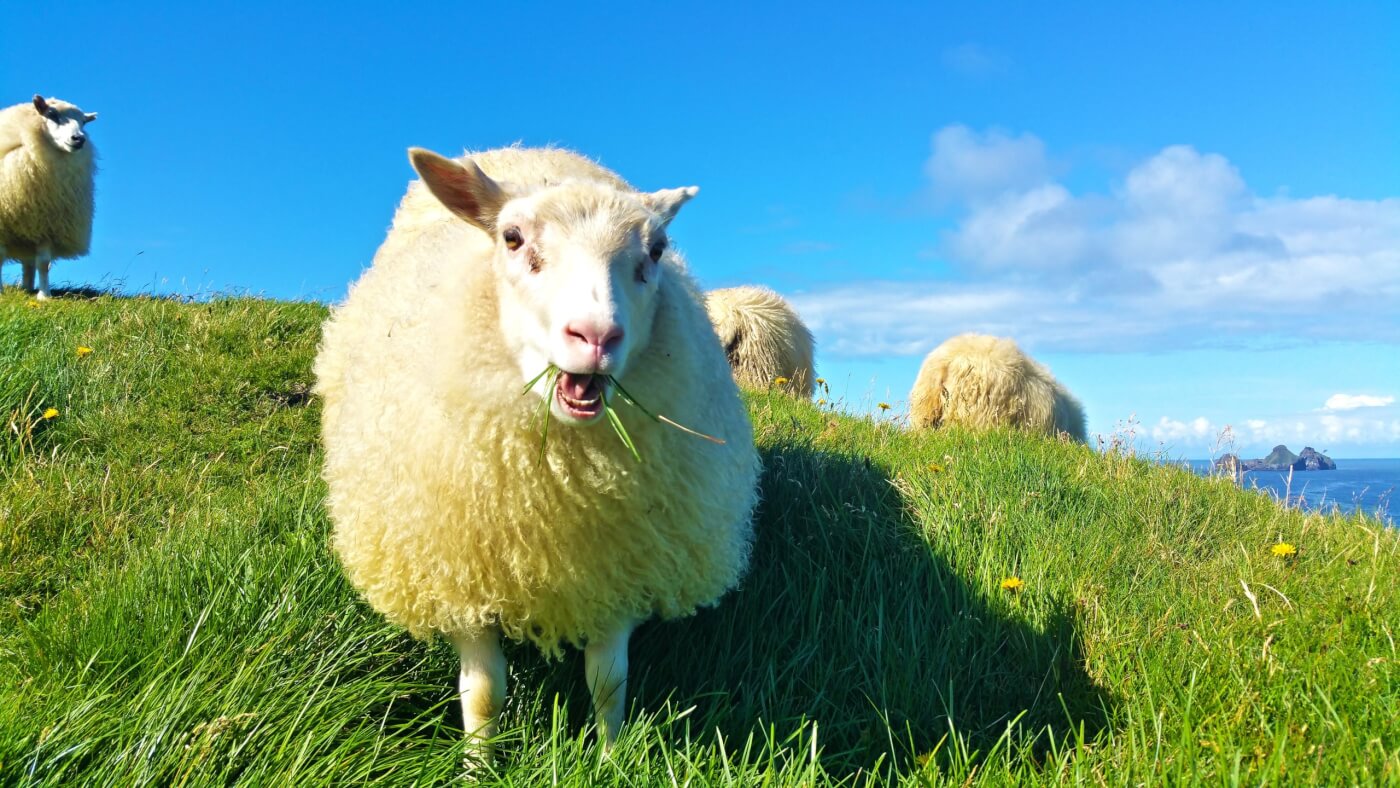
These natural fibers make high-quality garments that last for many years. They’re soft, breathable, and biodegradable, without stealing from sheep. Sheep’s wool can take as many as five years to decompose in a landfill, releasing methane and other greenhouse gases as it breaks down.
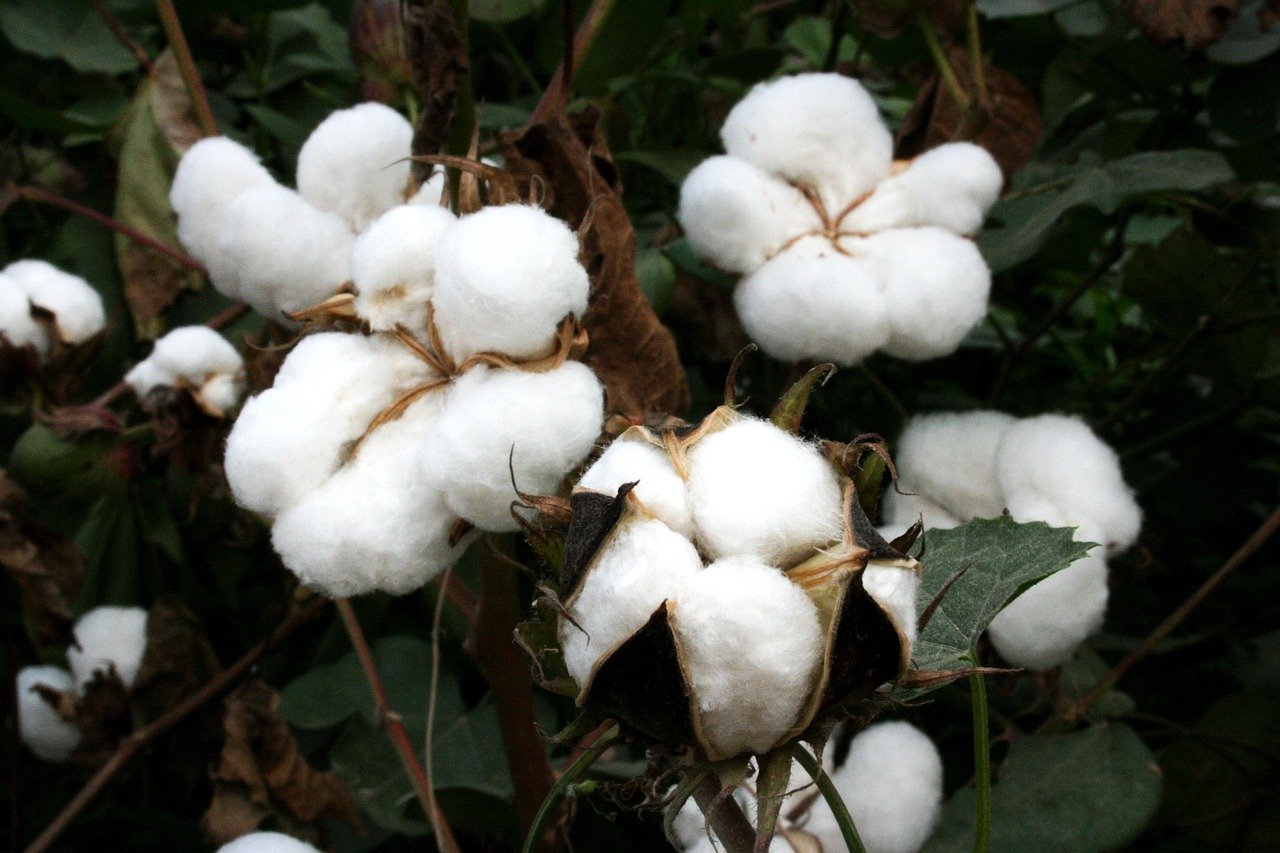
Curious where to start? Here are some of the most popular accessible plant wools already reshaping fashion:
- Cotton: One of the most common fabrics, cotton is soft, breathable, and versatile.
- Linen: Made from the flax plant, linen is lightweight, breathable, and perfect for warm weather. It also softens with age, making secondhand linen a great find.
- Hemp: A durable and sustainable fabric, hemp is naturally wear-resistant and often blended with cotton for added softness.
- Bamboo: Bamboo fabric is soft, moisture-wicking, and often used in activewear and loungewear.
Innovative creators are continually producing more and more plant wools. From soy to seaweed, emerging plant wools look beyond sheep, toward a world where wool is found in the deepest ocean and on the tallest tree. Roses, lavender, and even the delicate lotus are now being used to make fibers that can be used to replace animal fleece in fashion that’s also kind to our skin.
Ready to make the switch? Here are three great reasons to try plant wool this month:
3 Reasons to Try Plant Wool This Month
1. For Sheep
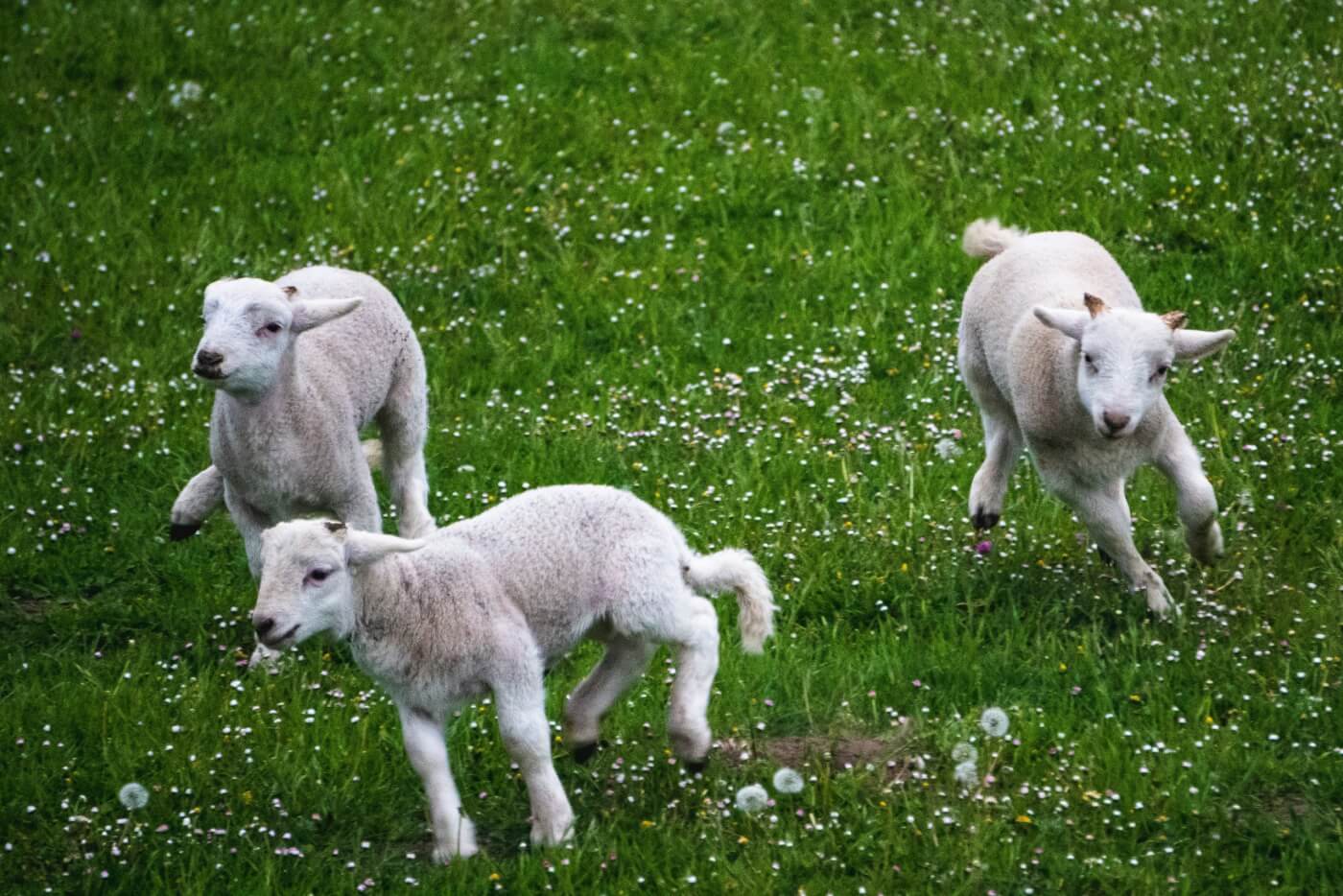
Sheep wag their tails when happy, just like dogs—yet most are robbed of this simple joy in the wool industry. Farmers routinely mutilate lambs by slicing off their tails and cutting out their testicles. The wool industry purposefully breeds sheep to produce more wool than nature ever intended. PETA entities have documented contracted workers kicking, beating, and stomping on sheep in shearing sheds.
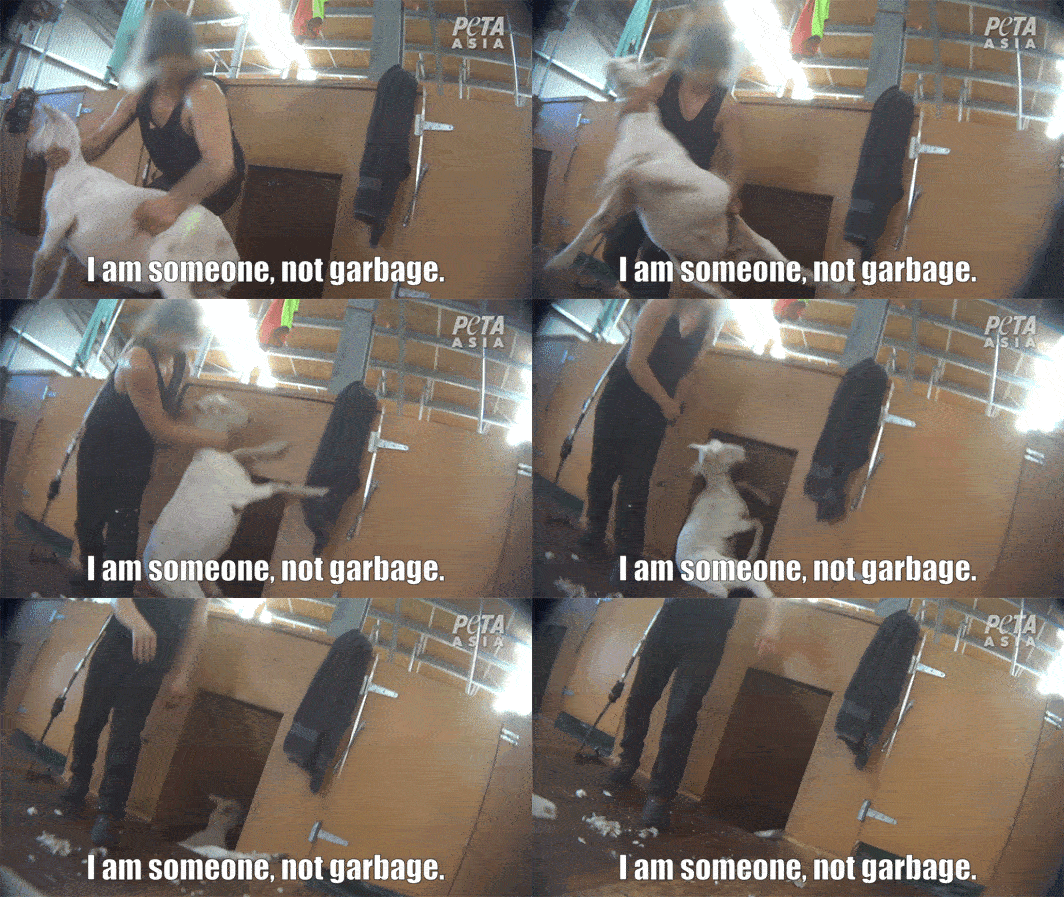
PETA entities’ exposés of more than 150 operations across four continents highlight the ethical reasons for conscious consumers to avoid sheep’s wool. Wearing plant wools helps spare these gentle, clever animals from fear and abuse.
2. For the Farmers and Innovators Behind Vegan Fibers
Plant Wool Month recognizes the hard-working crop farmers, innovative textile makers, and pioneering designers who grow, spin, and work with materials such as organic cotton, hemp, bamboo, soybean, and other textiles derived from plants to create knitwear, suits, and more, thereby weaving a kinder future for the planet and its animals.
3. For the Planet
When raising animals for their fleece, hair, skin, or flesh, farmers must make room not only for the plant crops to feed them but also for the animals themselves, leading to deforestation. In contrast, growing plants that are used directly by humans, such as for yarn or food, decreases land use.
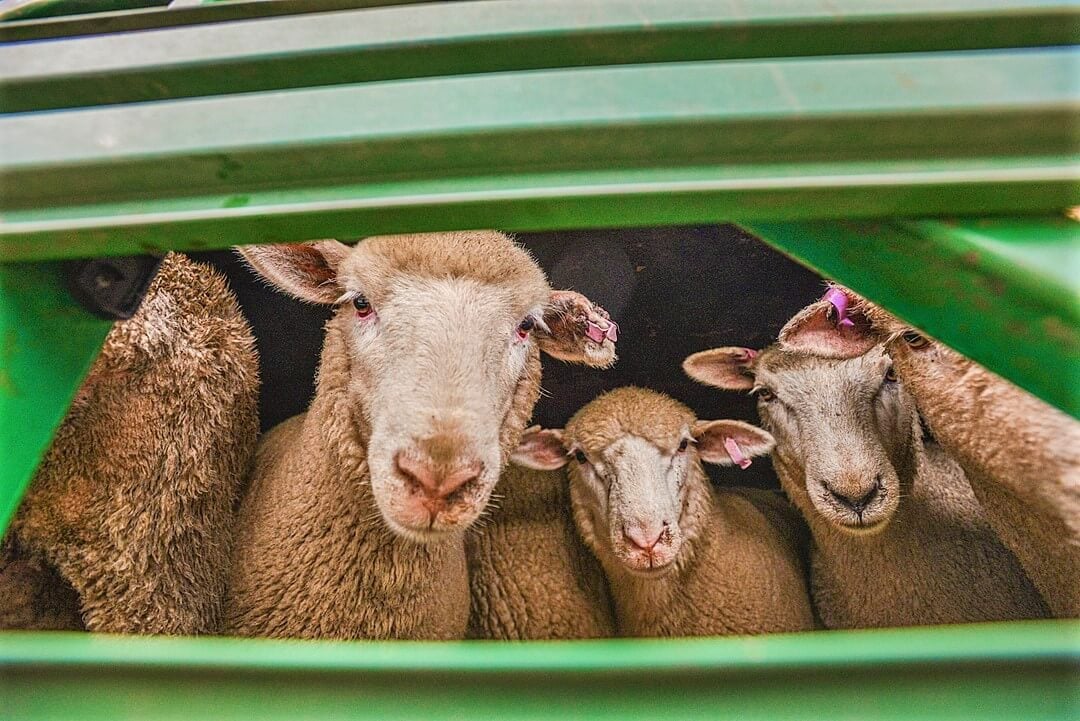
The wool industry clears a whopping 44.04 hectares of land to produce one bale of Australian wool, while one bale of Australian cotton requires only 0.12 hectares of land. This makes a quarter of the world’s wool 367 times more land-intensive than Australian cotton.
Around the world, PETA entities are celebrating Plant Wool Month with creativity and humor—spreading the message that compassion and style go hand in hand.
How PETA Entities Are Promoting Plant Wool Month
Robert Plant Wool?! PETA UK Urged Led Zeppelin Frontman to Change His Name
To show a whole lotta love to animals and the Earth ahead of Plant Wool Month, PETA UK sent a letter to former Led Zeppelin frontman and environmental activist Robert Plant, asking him to temporarily change his name to “Robert Plant Wool.” As PETA UK notes in its letter, the short-term name change would help celebrate cozy, plant-powered yarns and encourage everyone to shun the cruel and environmentally destructive wool and cashmere industries.
PETA UK Told AC/DC Plant Wool Ain’t Earth Pollution
As AC/DC embarks on the Australian leg of their Power Up Tour, PETA UK sent Angus Young a brand-new blazer and cap, made entirely from sustainable, vegan plant wool.
Crafted from cotton and linen instead of animal fleece, these pieces cause less deforestation and fewer greenhouse gases and spare animals from the abuse that PETA entities consistently document in shearing sheds all over the world.
Take a Turn Down The Plant Wool Road
PETA Australia is taking its message to the streets—literally. The Wool Road in Australia was the first in its region capable of being used by wheeled vehicles, linking two otherwise inaccessible areas. But while the Wool Road may be historic, plant wool is the future. A new name would honor its legacy of connection while guiding the region toward a cleaner, kinder tomorrow.
That’s why PETA Australia wrote to the Shoalhaven mayor asking the council to consider changing the road’s name to the Plant Wool Road. The move would celebrate wool made from materials such as cotton, hemp, or bamboo rather than fleece violently taken from sheep. If there’s a Wool Road in your neighborhood, you should urge your local government to change it too!
Wear Plant Wool
The only sustainable wool is made from plants. Soft, warm, and versatile, vegan wool makes it easy to look good while doing good every time we get dressed. So what are you waiting for?

