
Laika the ‘Space Dog’: Why Her Story Still Matters 60+ Years Later
Laika weighed just over 10 pounds, and life as a stray dog in bustling 1950s Moscow likely terrified her. The city streets were packed with cars, sidewalks were constantly full of fast-moving human feet, and the temperature dropped far below freezing during winter. When a group of experimenters scooped up the little dog on a brisk October day in 1957, she had no way of knowing her life was about to get much worse. Over the next few weeks, Laika went from a stray dog to a “Space Dog” in training. Learn who Laika was and why even the experimenters who sentenced her to death eventually regretted their decision.
What Was Laika’s Space Mission?
Just one month after experimenters picked her up off the streets of Moscow, they sent Laika on a one-way mission to space, to become the first living being to orbit the Earth. However, Laika would not survive for long. From the outset, the experimenters intended for Laika to die aboard Sputnik 2, terrified and alone in space.
Why Was Laika Sent Into Space?
Much like beagles who suffer in laboratories today, Laika was chosen for her small size, gentle demeanor, and because she was considered expendable by the experimenters. According to federal statistics, approximately 48,000 dogs are used in experimentation each year in U.S. laboratories. Many of these dogs endure painful, debilitating, and pointless procedures. Their gentle and trusting nature is met not with kindness but with torment.

Prepped for Death: Laika and Other ‘Space Dogs’ Forced Through Space Training
Laika and other “space dogs” in training, Albina and Mushka, were forced through harsh “training” methods so experimenters could choose the dog they would send into orbit. Experimenters kept the dogs in extreme confinement for days to accustom them to the cramped space capsule. This imprisonment reportedly caused the dogs to stop urinating and defecating—even when given laxatives—and their mental condition allegedly deteriorated. The dogs were also forced through centrifuge simulations that mimicked a space launch and exposed to loud, continuous noises, which reportedly caused their pulse rates to double and their blood pressure to spike, seemingly causing extreme terror for the dogs.
Eventually, the experimenters narrowed their search down to Laika and Albina. They forced both dogs to endure surgery, during which a device was implanted to monitor their vital signs in space.
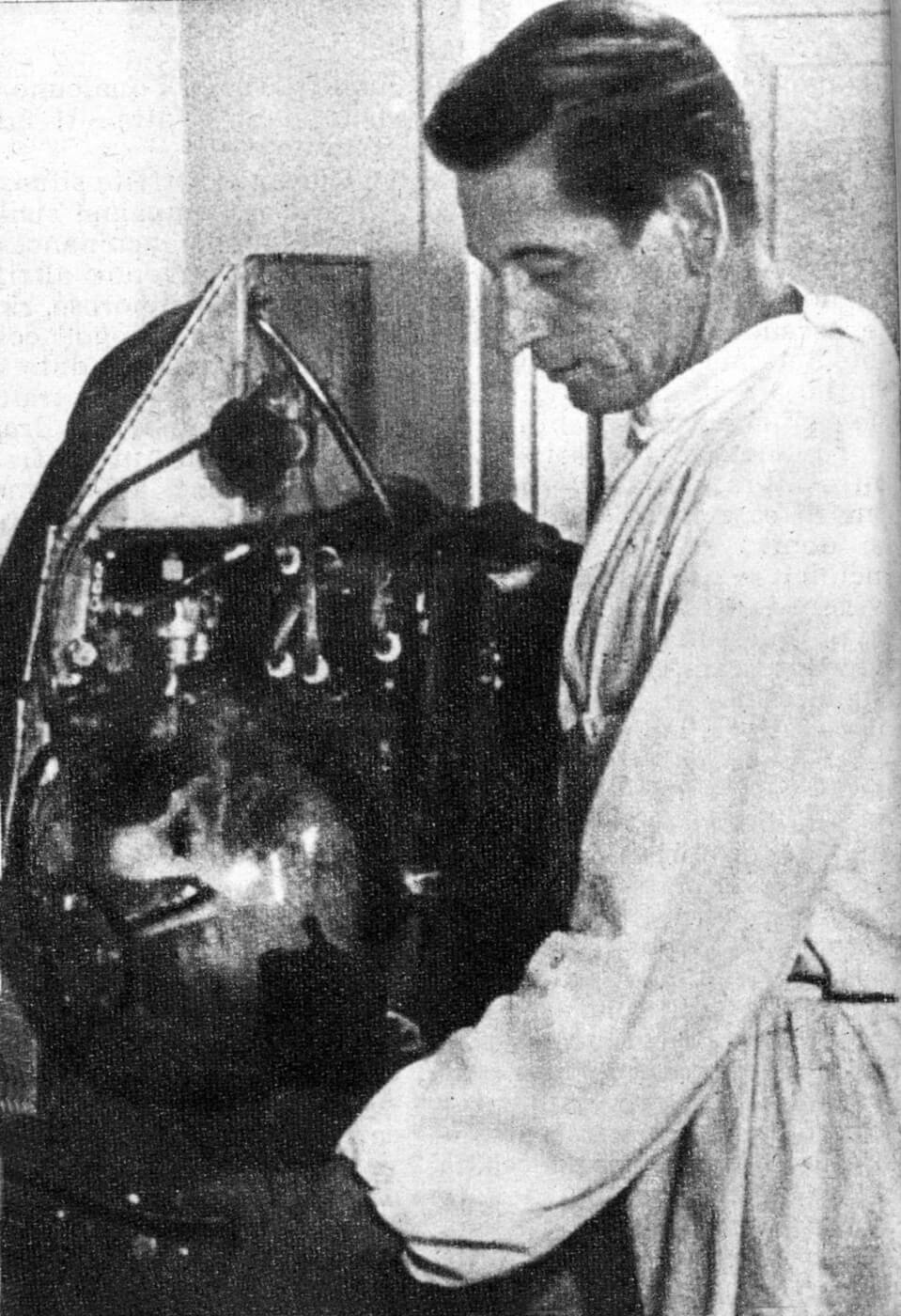
Just over a week before launch, physician Vladimir Yazdovsky officially chose Laika as the flight dog, sentencing her to a terrifying and lonely death in outer space. Before the launch, Yazdovsky brought Laika home to play with his children.
“Laika was quiet and charming … I wanted to do something nice for her: She had so little time left to live.” –Vladimir Yazdovsky
The experimenters placed Laika in Sputnik 2’s capsule three days before launch. It was so cold at the launch site that a heater had to be connected to keep her container warm. Before the final lift-off on November 3, one of the technicians claimed, “After placing Laika in the container and before closing the hatch, we kissed her nose and wished her bon voyage, knowing that she would not survive the flight.”
What Happened to Laika in Outer Space: Did Laika Survive?
Laika was fitted with a harness and chains to restrict her movements aboard to sitting, standing, or lying down. The capsule was so tiny that even 11-pound Laika could not turn around. When Sputnik 2 hit peak acceleration, the sensors surgically implanted into her body revealed that Laika’s breathing rate was more than three times her normal pre-launch respiration rate, and her heart was pumping at 240 beats per minute, more than double her usual heart rate.
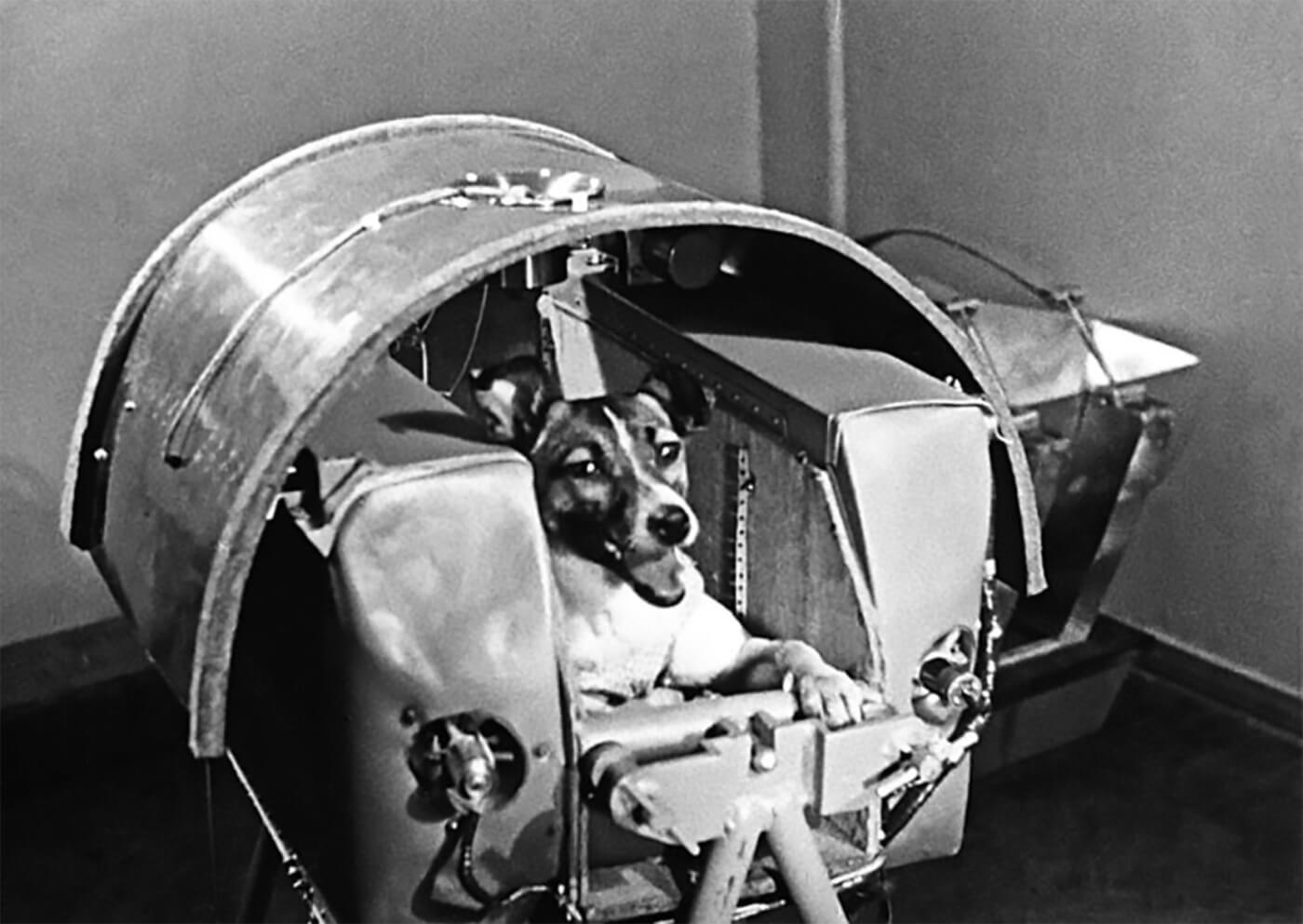
The experimenters behind the Sputnik 2 launch never planned for Laika to survive the journey into orbit. They organized a dose of poisoned food to kill Laika after a few days of orbiting Earth, but Laika only survived a few hours aboard the Sputnik 2. Initial reports from Russia claimed she lived several days in space, but in 2002, an experimenter from the Sputnik 2 mission officially revealed that Laika cooked to death within hours of launch, because the satellite’s cooling system failed to operate.
Is Laika’s Body Still in Orbit?
Although Laika died just hours into the flight, her body circled Earth 2,570 times aboard the Sputnik 2. Five months after her death, the Sputnik 2 disintegrated during re-entry, officially ending the mission.
An Experimenter’s Regret: Why Laika’s Story Still Matters Today
One of the mission’s leading experimenters, Oleg Gazenko, later regretted sending Laika into orbit.
“The more time passes, the more I’m sorry about it. We shouldn’t have done it.” –Oleg Gazenko
Laika’s heartbreaking story is part of a larger pattern of cruelty where humans treat other animals as disposable tools instead of individuals. Her entire life, from the streets of Moscow as a stray to dying terrified and alone in outer space, was full of abuse and neglect. Humanity failed her—and millions of other animals—but we are learning from our mistakes.
In 1996, PETA successfully campaigned to get NASA to pull out of Bion—a joint U.S., French, and Russian experiment in which experimenters forced monkeys into straitjackets and implanted electrodes in their bodies before launching them into space. And we got NASA’s plan to irradiate monkeys scrapped.

The National Institutes of Health’s landmark decision to shift funding away from cruel and outdated experiments on animals and instead prioritize non-animal research methods is a huge step forward for animals. Its new plan incorporates steps from PETA’s Research Modernization NOW—a detailed roadmap for replacing experiments on animals with superior, human-relevant methods. But animals still need your help! In memory of Laika, take action to help other animals suffering in experiments.

