No Bones About It: PETA-Approved Company Makes First Lab-Grown Salmon in U.S.
A PETA-approved company made history recently by gaining approval from the U.S. Food and Drug Administration to market the first laboratory-grown salmon.
This milestone for the alternative protein industry and sustainable food practices comes from San Francisco-based Wildtype, a compassionate company in PETA’s Eat Without Experiments program that helps shoppers identify food and beverage companies that don’t test on animals.
The Eat Without Experiments website features a database of food and beverage companies categorized by their policies on animal experimentation—from those that test on animals to those, like Wildtype, that have signed PETA’s pledge for no animal testing unless explicitly required by law.
Wildtype is one of more than 400 companies and brands that are listed as “No Animal Testing” or “No Animal Testing unless Explicitly Required by law” in the Eat Without Experiments program.
Companies signing PETA’s pro-animal pledge forward their brands in the minds of a new wave of ethics-conscious consumers who spend money according to what a company represents. According to global market research, companies that don’t align with customer beliefs pay the price, because 42 percent of consumers walk away, and one in five never return. A survey of 30,000 consumers found that 74 percent crave greater transparency regarding companies’ stances on important issues such as animal testing.
Wildtype’s boneless and scale-free Coho salmon is grown from Pacific salmon cells in tanks in a former microbrewery. It is intended to be eaten raw, like sushi. Fed with a mix of nutrients, including amino acids, vitamins, salts, sugars, proteins, and fats, the growth process takes about two weeks. In nature, a living salmon takes about two years to mature.
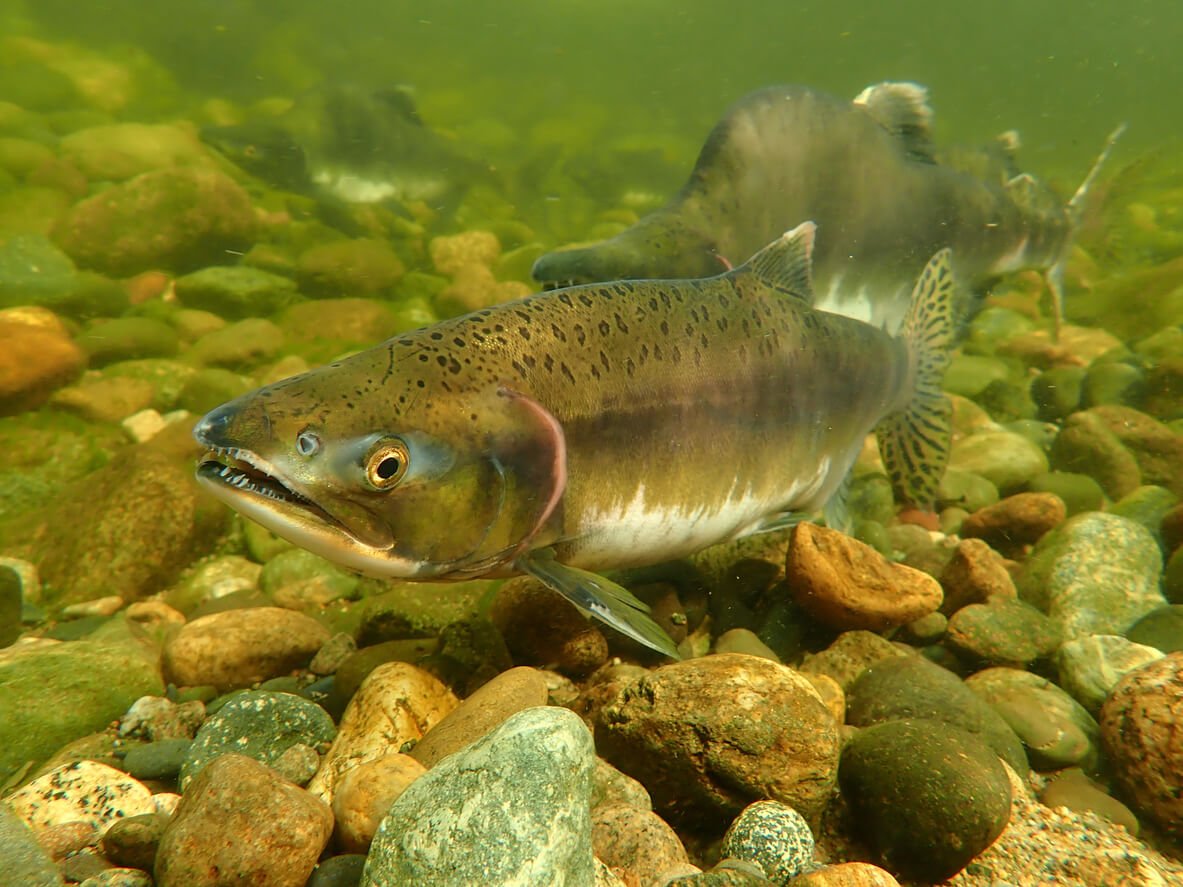
In addition to reducing the need for commercial fishing, a cruel and unsustainable practice that empties the world’s oceans, lab-grown salmon cuts down on waste because lab-cultivated protein does not create leftover scraps. There may also be other environmental benefits, such as fewer boat emissions causing less harm to ocean ecosystems.
What You Can Do
Visitors to the Eat Without Experiments website can take action urging Oreo-maker Mondelēz International—which also owns Cadbury, Honey Maid, and several other well-known brands—to stop tormenting and killing animals in tests that do not apply to human health.
And if you’re in the U.S., please take an additional action by urging your members of Congress to shut down the National Institutes of Health-funded national primate research centers: