Screams from the Lab: 5 Animal Experiments That Make Horror Films Look Tame
Have you ever seen a horror movie scene so disturbing, you had to look away? Frightening flicks that feature experiments are designed to make us shudder—but what’s more shocking is that real-life laboratories carry out experiments that are eerily similar to the ones we see on screen. These five horror films mirror real experiments on animals.
The Human Centipede
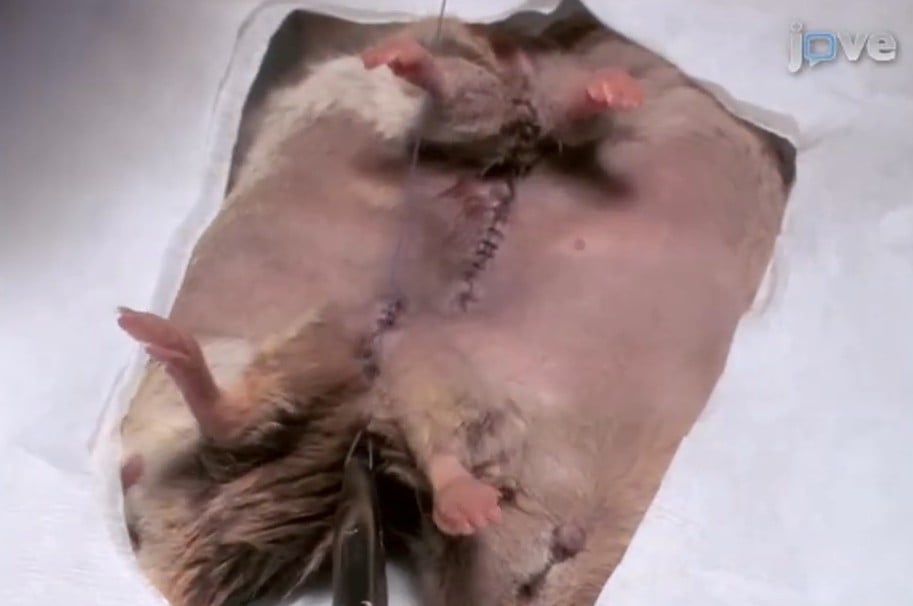
In the cult body-horror film The Human Centipede, a deranged scientist kidnaps three people and sews them together, creating a grotesque abomination. This unthinkable procedure revolted viewers—but in laboratories, it’s commonly known as “parabiosis.” At the University of Virginia, actual experimenters surgically stitched live mice together in pairs, stitching their elbows and knees so tightly that nerves responsible for movement and pain were pierced. They forced the mice—sensitive, family-oriented animals—to live this way, in agony, for a month before deliberately giving them a severe infection, leading to sepsis, fever, and organ failure. What played out as a shocking fiction on screen was an inescapable nightmare in a university laboratory.
Get Out
In Get Out, a seemingly kind neurosurgeon hides a monstrous secret—he performs craniotomies to transplant the brains of white wealthy people into the bodies of Black victims. As horrifying as that premise is, it mirrors what happens in many real laboratories. Experimenters routinely drill into animals’ skulls, cutting away bone and flesh to implant electrodes into their brains. The victims—usually monkeys, rats, or mice—often suffer from infection, brain swelling, seizures, and immense pain afterward. But unlike Get Out’s protagonist, these animals don’t make it out alive—after suffering all of this torment, experimenters kill them and replace them with new “subjects.”
28 Days Later
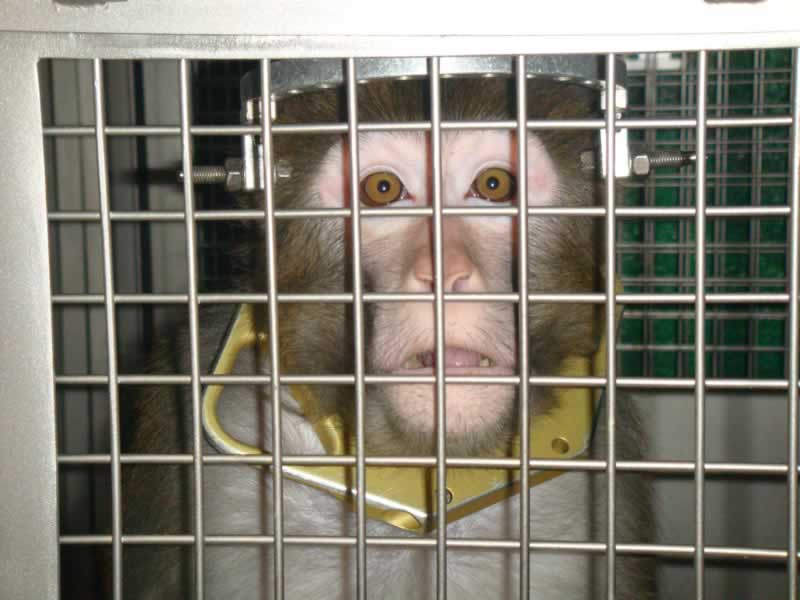
In 28 Days Later, secret lab experiments on chimpanzees unleash a “rage” virus that wipes out most of the U.K.—a terrifying vision of experimentation on chimpanzees gone wrong. But this scenario isn’t far-fetched—and although chimpanzees aren’t used in laboratories anymore, cruel tests on our fellow primates are still happening.
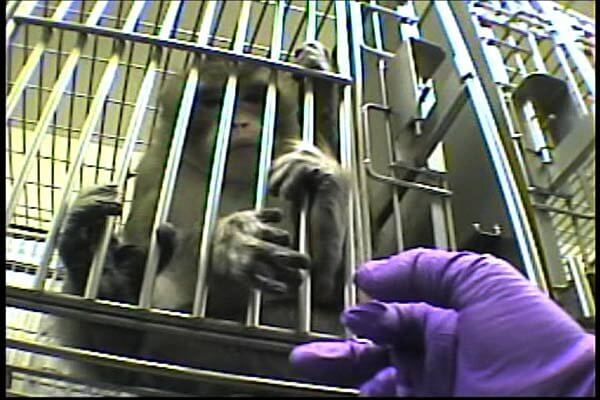
U.S. laboratories today—where experimenters often infect animals with deadly, contagious diseases—are hotbeds for outbreaks. History has shown how easily such horror can spill into the real world: Labs frequently mishandle animals, neglect safety protocols, and cause leaks and infections that endanger humans and other animals alike. In 1989 and 1990, Hazelton Laboratories imported Ebola-infected monkeys, triggering an unprecedented outbreak in Reston, Virginia, after dozens of macaques died and four workers were infected with a new Ebola strain. Hazelton simply changed its name to Covance after the scandal, but PETA later exposed that the grim conditions for sick monkeys trapped at its facility were the same. The horror of 28 Days Later could become a reality—because as long as experimenters exploit animals in laboratories, no one is safe.
A Clockwork Orange
Stanley Kubrick’s A Clockwork Orange shocked audiences with its “Ludovico Technique”: humans forced to watch violent imagery while under the influence of nausea-inducing drugs. The image of someone’s eyes being forcibly held open was seared into viewers’ minds—and at Johns Hopkins University, notorious experimenter Shreesh Mysore has subjected owls to this same torment. He has cut into barn owls’ skulls, implanted electrodes in their brains, and forced the birds into plastic tubes so tight that they could not move their wings. He then clamped the birds’ eyes open and bombarded them with lights and sounds for up to 12 hours. After mutilating the birds’ brain tissue so severely that they became “unusable” to him, he killed them.
Cube
In Cube, a group of strangers wake up trapped in a giant labyrinth of cube-shaped rooms, each potentially hiding a deadly trap. In many laboratories, experimenters create confusing and panic-inducing contraptions for animals—but there’s no way for them to truly “solve” their way out. At the University of California–Los Angeles (UCLA), experimenters deliberately induced panic in mice by placing them in a cage with an electrified floor that shocks them, putting them on top of a heated plate, trapping them in a cage with carbon dioxide, and/or forcing them to be in a cage with a large rat, just to watch them try and escape these terrors. Then the mice have their skulls cut open and equipment surgically inserted into their brains so the experimenters can activate areas that cause the mice to panic again. These mice are then killed, and their brains are dissected.
Don’t Look Away From the Horror
Like you and me, our fellow animals experience love, joy, fear, and pain. Monkeys form intricate social bonds; mice and rats show empathy and cooperate to build nests and find food; many birds stick with one partner for life and share parental duties. The animals trapped in labs aren’t “test subjects”—they’re individuals with relationships and feelings. The torment they suffer through should shock us just as profoundly as any scene on the big screen. PETA’s Research Modernization NOW—a roadmap for phasing out experiments on animals and instead focusing on modern, human-relevant research—can end this cruelty. Take action now:
If you don’t live in the U.S., you can still speak up. Help PETA end government-funded monkey fright experiments: