
Upcoming Seaside Sanctuary Offers Hope to Belugas at Marineland of Canada
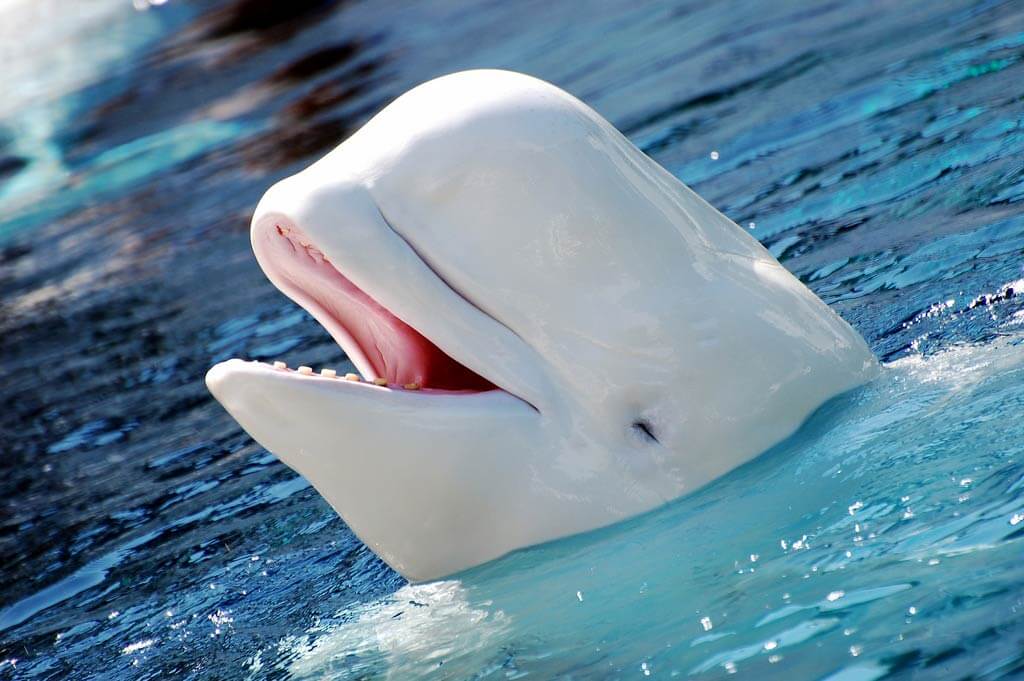
Update (October 22, 2025): There’s a big wave of hope for whales imprisoned at marine parks! The Nova Scotia government just approved a 20-year lease to our friends at the Whale Sanctuary Project to build a seaside sanctuary along the province’s coast. The sanctuary will transform a natural cove into a whale refuge that’s one hundred times larger than the tanks at Marineland of Canada.
Why the Seaside Sanctuary Lease Could Be a Major Win for Whales Imprisoned at Marineland of Canada
Seaside sanctuaries, which offer proper care and some semblance of natural life, are the best option for whales suffering at Marineland of Canada. Belugas are the social butterflies of the sea. They can live for up to 60 years in their natural habitat, exploring vast stretches of the Arctic and subarctic oceans. At Marineland, they languish in cramped tanks, unable to express the social and curious behaviors that define who they are.
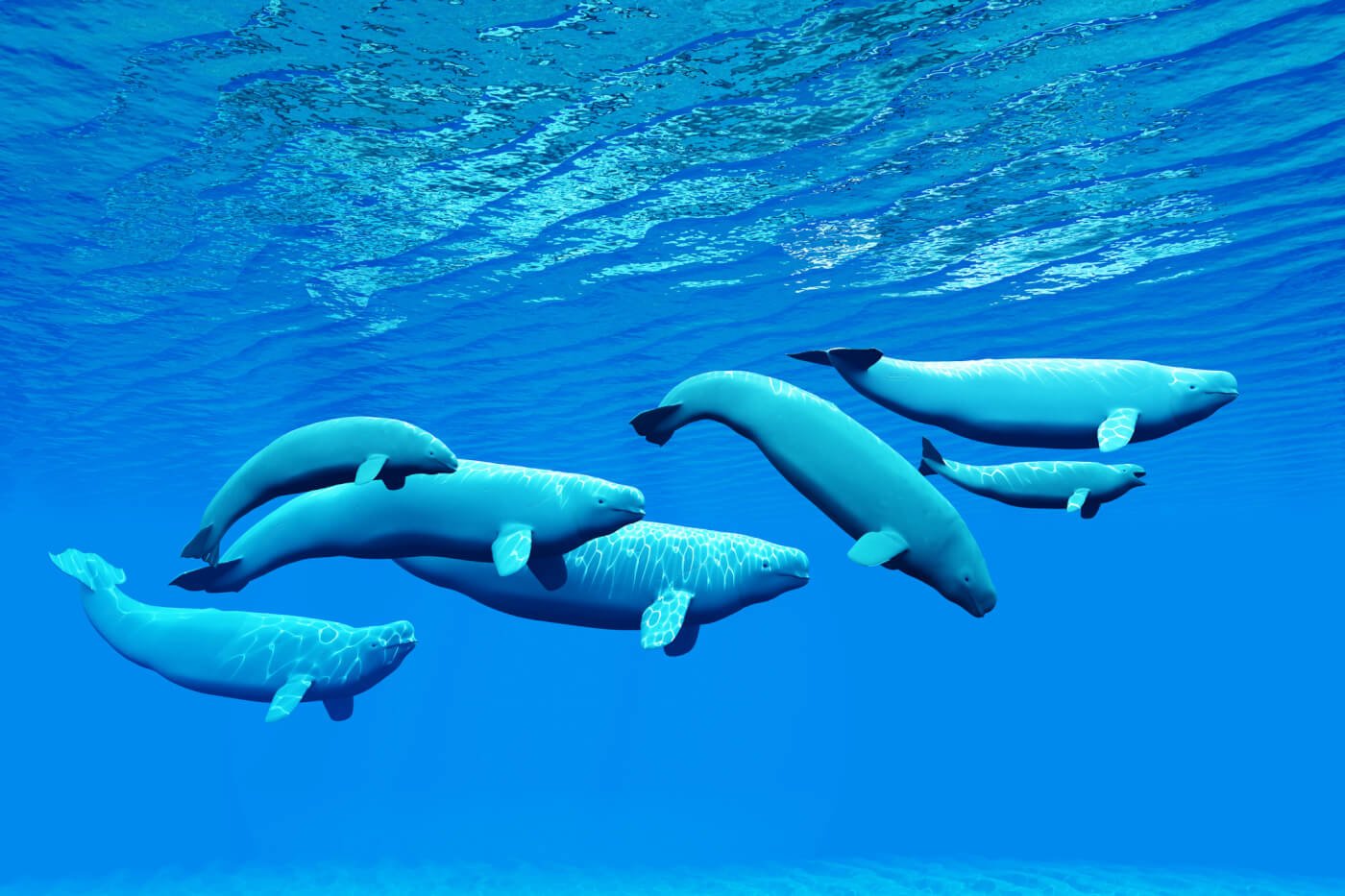
While it’s not yet confirmed which whales will be relocated there—or whether any of the 30 belugas still suffering at Marineland of Canada will be among them—the development offers new hope that some of these long-suffering individuals could one day experience life in an enriching seaside sanctuary free from exploitation.
Update (October 2, 2025): A whale of a win! In good news for belugas, the Canadian Department of Fisheries and Oceans has just denied Marineland of Canada’s request to ship its remaining 30 beluga whales to a marine park in China. This compassionate decision—led by Fisheries Minister Joanne Thompson—upholds the intent of Canada’s law banning cetacean captivity for entertainment and ensures that these whales won’t simply be shipped off to another abusement park that would continue to exploit them and potentially use them as breeding machines.
Belugas are known to mourn intensely, even “adopting” objects like buoys after the loss of a calf. In nature, they can live for up to 60 years, forming tight family bonds and exploring vast stretches of the ocean. At marine parks, however, no beluga has ever come close to living as long as they are known to live in the ocean. This ruling is a good step forward, but it also highlights the urgent need for seaside sanctuaries—safe, spacious environments where whales and dolphins rescued from tanks can thrive, free from exploitation, for the rest of their lives.
While this victory is another blow against Marineland of Canada, animals are still suffering and dying there. Learn why this facility is a hellhole for animals, and what YOU can do to take action for animals suffering at abusement parks just like it.
Marineland of Canada’s Deadly Track Record
Marineland of Canada’s death toll keeps going up. In September 2025, it was reported that another beluga whale died at the facility—the 19th whale to die at the abusement park since 2019.
The beluga reportedly died after trespassers broke into the park and apparently agitated the whales—who are already frustrated and distressed due to constant confinement in tiny tanks—sparking some of the younger whales to attack an older one. The beluga died a few days after the attack, according to reports.
But the root cause is clear—imprisoning complex, sensitive animals in cramped tanks is a recipe for aggression, injuries, and death. Belugas—who are the social butterflies of the sea, forming pods of hundreds and singing to one another—languish in concrete tanks, where they have little to do but swim in endless circles.
A harbor seal reportedly died around the same time.
In early May 2023, two animals reportedly died at the facility: Sonar, a 26-year-old bottlenose dolphin, and Kodiak, a 28-year-old beluga. Their deaths come two months after Kiska—the final orca held captive in Canada—died from a bacterial infection at the facility.
Sonar and Kodiak were captured in their native waters off the coast of Russia in the early 2000s. They then remained in tiny tanks until their deaths.
In March 2024, less than a year after Sonar and Kodiak’s deaths, two more beluga whales died at the facility. Both apparently died from an abnormal and fatal twisting of the stomach.
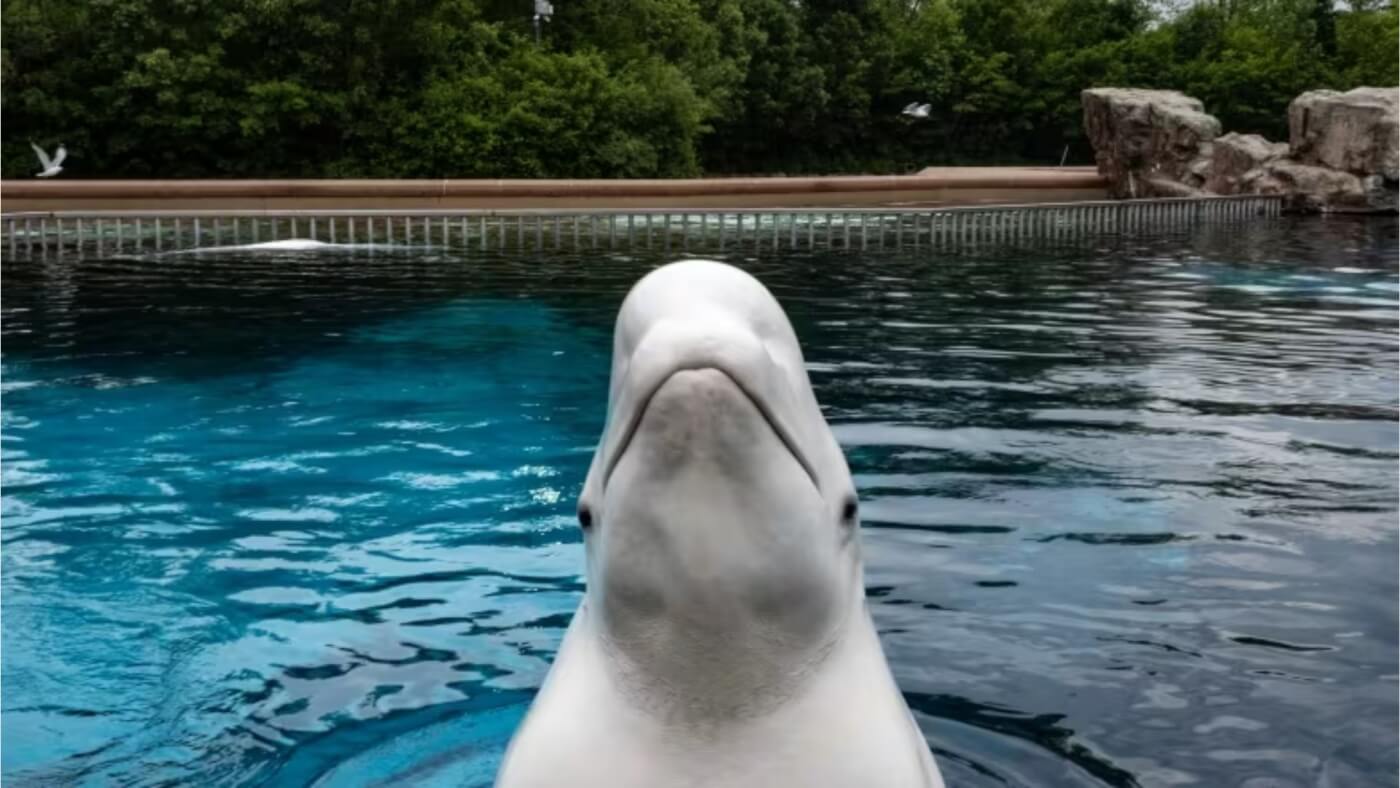
Ontario’s Provincial Animal Welfare Services has tried to intervene, declaring that all marine mammals at Marineland are in distress due to poor water quality. Marineland claims it supplies daily in-house veterinary care to the animals, yet these two beluga casualties, among the park’s many prior deaths, show that the animals are in dire need of help.
Then, in October 2024, another beluga whale reportedly died at the facility, bringing Marineland of Canada’s beluga body count to five in just one year.
All together, in just six years, 26 animals reportedly died at the facility, including 19 belugas, orca Kiska, bottlenose dolphin Sonar, a gray seal, two harbor seals, and two California sea lions.
The Animals Who Died at Marineland of Canada Deserved Better
In their natural homes, whales and dolphins roam vast oceans with their families, communicating in unique dialects and working together to hunt, play, and care for one another. At marine parks, their lives consist of forced performances and concrete walls. It’s too late to save Kiska, Kodiak, Sonar, and the other animals who have died at Marineland of Canada—but you can help the countless others who suffer at similar abusement parks.
Keeping Dolphins and Whales in Marine Parks Is a Dying Business
Canada banned whale and dolphin captivity for entertainment years ago, preventing Marineland of Canada from breeding cetaceans and from bringing in others from elsewhere. In the U.S., marine parks are still forcibly breeding dolphins and belugas—but the tide of public opinion has turned against these cruel practices. Because of PETA’s campaigns and mounting criticism of SeaWorld, the company ended its sordid orca-breeding program and then agreed to stop allowing trainers to stand on dolphins’ faces and backs in cruel circus-style shows.
However, 16 orcas are still suffering at SeaWorld’s abusement parks, and the company is still using other dolphins and whales as breeding machines to create generations of animals to exploit.
Tell SeaWorld to Empty the Tanks!
In nature, belugas and bottlenose dolphins maintain dynamic relationships with large social networks, choose their own mates, and swim freely in the ocean. SeaWorld and other marine parks condemn these animals to miserable lives of exploitation and confinement.
Please urge SeaWorld to establish a firm and rapid plan to end its use of animals, stop breeding all dolphins and whales, and relocate them to seaside sanctuaries. There, they could live in large areas of the ocean while still benefiting from human care for as long as needed.