The Christian Case for a Vegan Easter
Easter is perhaps the most important day in the Christian calendar, the day when the faithful commemorate Christ’s victory over death and His gift of eternal life. Ironically, many of us choose to celebrate death’s defeat by being complicit in more. We thank Jesus for the mercy He extended to us while refusing to show mercy to others. By choosing a vegan meal for Easter and beyond, we can honor Christ’s core message: love.
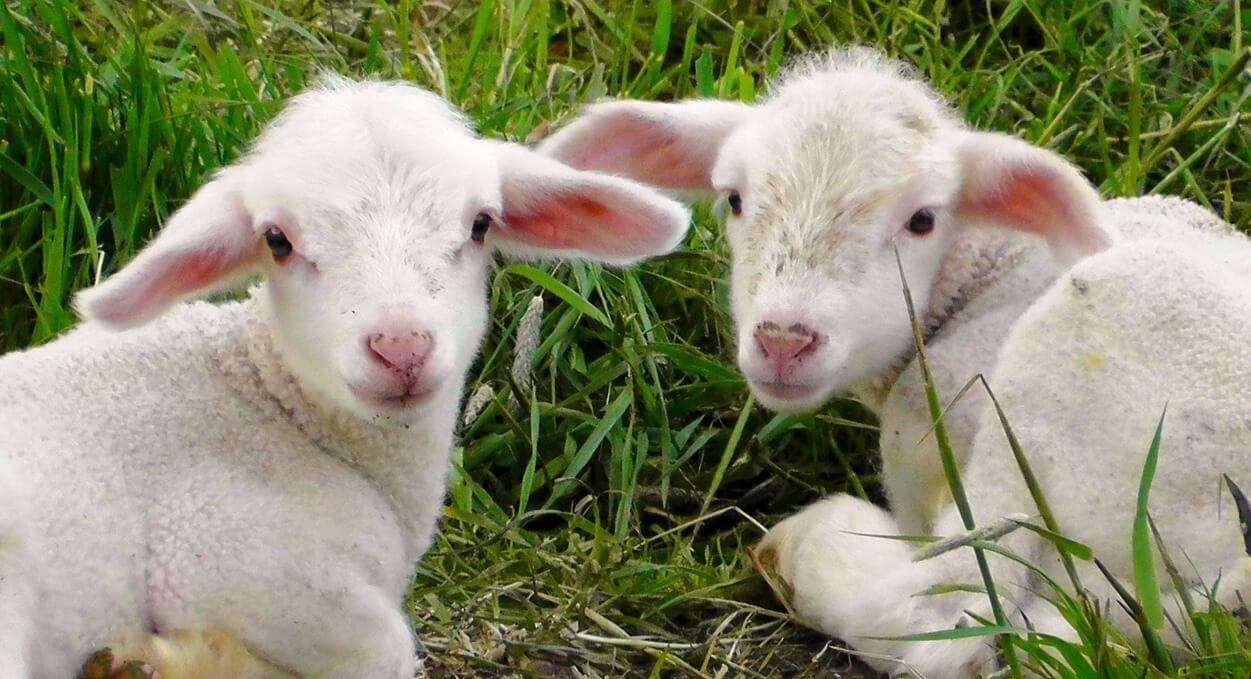
The lambs, pigs, chickens, and other animals who many Christians thoughtlessly devour on Easter endured lives of extreme confinement, deprivation, and physical torment before being violently slaughtered. This cruelty stands in stark contrast to the lives believers are called to lead. In John 15, Jesus commands us to show sacrificial love to the world. The parable of the Good Samaritan teaches that our compassion for others must not be limited by perceived societal boundaries.
Many Christians come closer to emulating Christ during the Lenten season than we do when celebrating His resurrection. In honor of the 40 days Jesus spent in prayer and fasting in the wilderness—and the temptations He faced—we mark a time of prayer, charity, and spiritual discipline—often by abstaining from eating most animals. Orthodox Christians purify their diets further, choosing not to consume nearly all animals, cow’s milk and cheese, hens’ eggs, and often oil and wine on weekdays. Doing so allows us to experience the world as God intended. In Genesis 1:29-30, we see that Eden, His perfect creation, was vegan. Death and killing only entered the world when sin did, and Jesus’ sacrifice on the cross ended animal sacrifice.
We don’t have to look hard to see how much God cares for the animals He lovingly created. Many Bible verses depict animals in Heaven (Isaiah 11:6–9, Revelation 5:13, Revelation 19:11), reveal that animals have souls (Ecclesiastes 3:18–21, Luke 3:6, Romans 8:19–21, Psalm 36:6), and tell us that God’s covenant is with all of creation (Genesis 9:12–17, Psalm 50:10–11, Hosea 2:18).
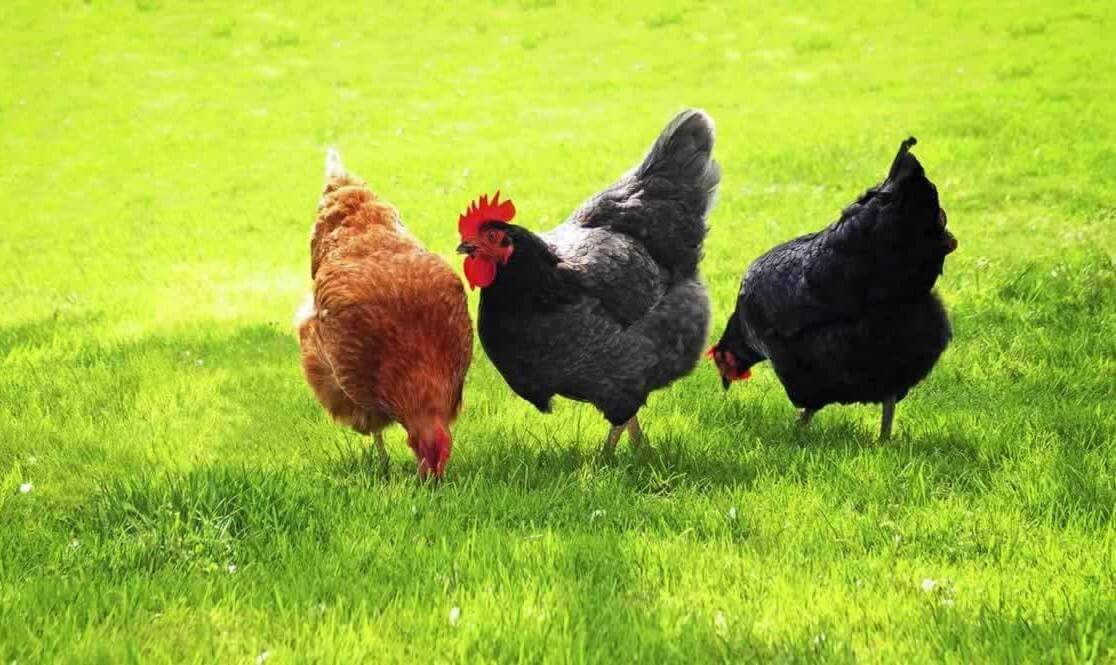
With each remarkable new species God created, He imbued them with rich emotional lives and fascinating abilities. Sheep read and understand not only other sheep’s facial expressions but also those humans make. Pigs risk their own lives to save others, rescuing human guardians and other animals from house fires and intruders and finding help during medical emergencies. Leading animal behavior scientists have found that chickens are brilliant individuals who enjoy mental challenges, demonstrate self-control, and worry about the future. Fish have long-term memories comparable to a human recalling a lesson learned 40 years earlier. And fish, like all animals, feel pain and fear.
Christians must ask ourselves: Would a loving God want us to cause harm to or kill other thinking, feeling individuals, not out of necessity but purely for selfish desire? Anyone who seeks to live according to God’s perfect plan and Jesus’ commandments can easily choose compassion over cruelty at Easter and all year long.