Would You Like a Side of Feces With That? See What’s Hidden in Your Burger Patty
You’re in deep doo-doo if you eat meat—literally. The meat industry has a filthy secret it hopes you’ll never think about: Farmers feed cows feces. Add in the waste animals live in and the filthy conditions inside slaughterhouses, and it’s no surprise that fecal contamination frequently ends up in the flesh people consume. That’s right: The meat you eat may be contaminated with poop particles.
A disturbing but important new campaign by advocacy group Animals Now illustrates where the industry’s sh*t really hits the fan—or in this case, the pan:
It’s Time to Face the Fecal Facts
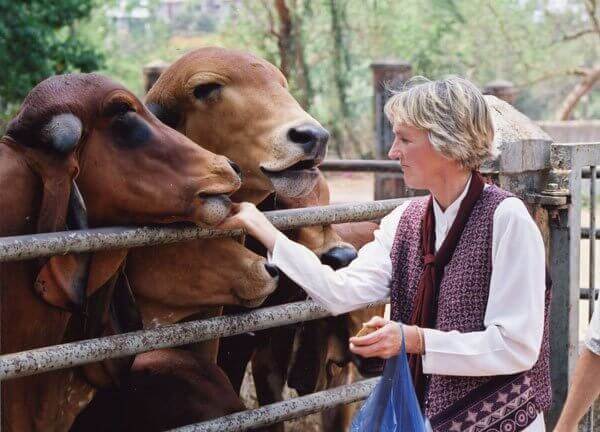
Let’s cut the crap: Workers in the meat industry feed cows chicken poop—and then their own fecal matter can remain on the flesh sold to consumers. It’s called “poultry litter”—a euphemistic name for a filthy mix of chicken feces, feathers, and bedding materials like sawdust, peanut hulls, and pine shavings swept up from chicken coops. It’s cheap, and that’s exactly why the industry does it: It’s another way to cut costs while ignoring the suffering of the animals.
And it’s not just gross—it’s dangerous. Studies show that “poultry litter” can harbor Salmonella and E. coli, and some experts warn that it may even carry traces of the bird flu virus, potentially fueling outbreaks in cows.
Studies have shown that essentially every beef burger you consume comes with a side of poop bacteria. In a 2015 report, Consumer Reports examined 458 pounds of ground beef and found that all of it contained bacteria signaling fecal contamination, including E. coli, which can cause blood and urinary tract infections. Nearly 20 percent also tested positive for Clostridium perfringens, bacteria linked to almost one million cases of food poisoning every year.
This isn’t a fluke—it’s baked into the system. Slaughterhouses are high-speed kill floors where workers shackle animals, slit their throats, and cut up their bodies. Blood, feces, and other bodily fluids mix in an environment designed for speed and profit. Fecal matter smeared on animal skin or spilling from ruptured intestines can easily be transferred onto flesh packaged for human consumption. In a system this violent and messy, it’s no surprise that shit ends up everywhere.
The Life of a Farmed Cow Stinks
Cows are naturally social, gentle animals with unique personalities. Some are playful and curious, some are bossy, and some are soft and nurturing. They form lifelong friendships, choosing companions carefully and mourning when one is lost.
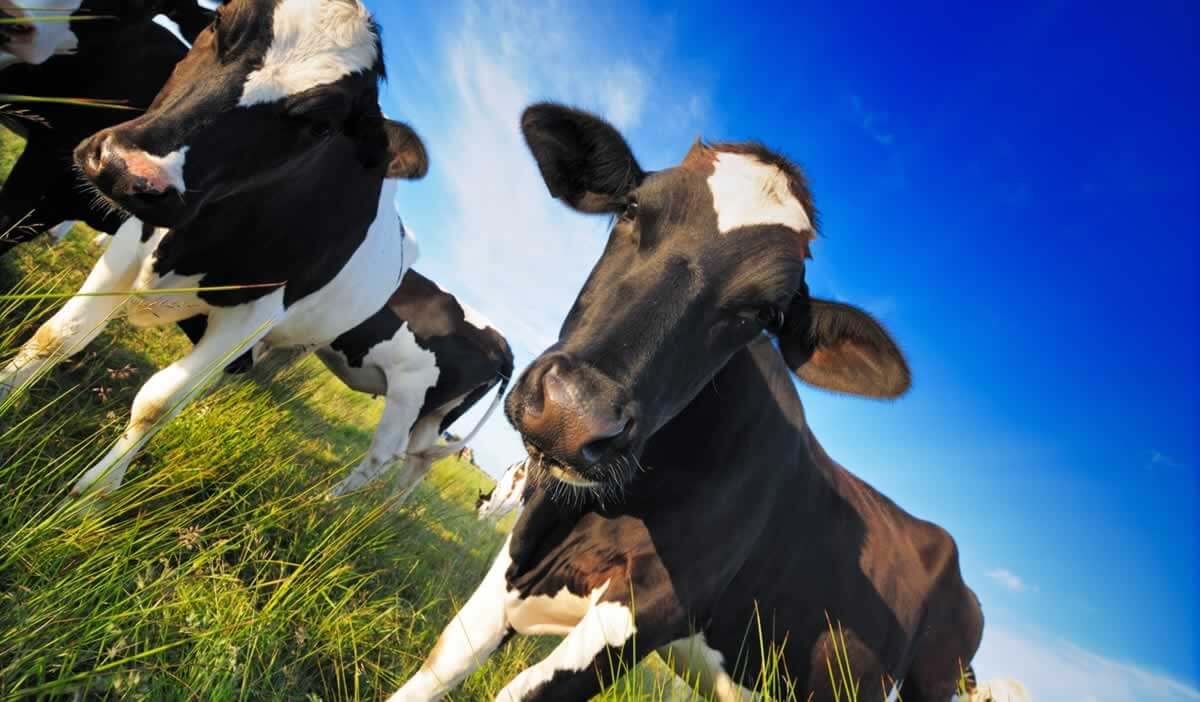
But on today’s farms, these sensitive, emotional animals suffer. Instead of rolling in grass, basking in sunlight, roaming, or grazing, they’re crammed into filthy, windowless sheds, often forced to stand in their own waste. At these facilities, the air is thick with ammonia, and stress and disease run rampant.
Dump Meat!
Eat less meat, eat less shit. So go vegan! Being vegan doesn’t just save animals—it’s a gift to yourself, too. Healthy vegan foods can protect you against some of the country’s biggest killers, like heart disease and certain cancers. And speaking of poop—vegan foods are also the best at keeping your digestion running smoothly. (After all, poop is for passing, not for eating.)
The even better news? Vegan burgers are tasty, kind to animals, and better for you overall—so you don’t have to give up your favorite savory sandwich to live with compassion.
If this video made your stomach turn, take it as a sign: Go vegan. Your snacks will be scat-less, your body will be happier, and you’ll spare animals from a lifetime of suffering and misery. Take the 3-week vegan challenge—and don’t forget to tell someone else to doo-doo it too!