


Update: Joshua Moore has been indicted on five felony counts of animal torture, five felony counts of aggravated cruelty, and one misdemeanor count of depicting animal torture. PETA presented the Chicago Police Department’s Animal Crimes Team with a Hero to Animals Award for its swift work in seizing the abused dogs—five dogs and five puppies—and … Read more »
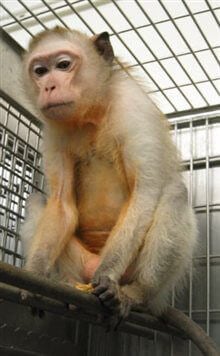
A primate at a Covance primate testing lab. Update: After receiving PETA’s request for an investigation, the U.S. Department of Agriculture found that Bristol-Myers Squibb was to blame for the hanging death of the monkey and cited the company for violating the Animal Welfare Act. As if being locked inside a laboratory and treated like … Read more »
PETA and other Virginia animal shelters have just submitted to the state the numbers of animals they received, found wonderful homes for, reunited with guardians, had to euthanize, or were able to release back into nature in 2011. Because numbers can’t begin to tell each animal’s story, let me describe one of those animals: Pepper. … Read more »

Sparks flew recently after Congress restored funding for U.S. inspectors to oversee horse slaughter, opening the door for horses to be killed and butchered in the United States for the first time since 2006. But there is hope for a better bill: The American Horse Slaughter Prevention Act of 2011 (S. 1176/H.R. 2966), which would … Read more »
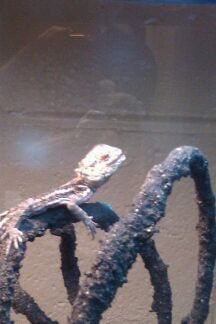
According to a whistleblower, two bearded dragons languished in the back room of a Chicago-area PetSmart store for six months, apparently suffering from improperly treated eye infections that spread to their jaws and caused their faces to rot away. After pressure from PETA, the store’s manager finally took the bearded dragons to a veterinarian who … Read more »
Many of us have had a peek into the bizarre world of hoarding courtesy of reality television. Accumulating piles and piles of household junk is bad enough, but when hoarders collect living animals, the results are extreme neglect, suffering, and death. According to the Animal Legal Defense Fund (ALDF), “It is likely that up to … Read more »
Animal shelters across the country are overflowing with record numbers of cats and dogs—many of whom were surrendered by people who lost their homes or could no longer afford to care for their animal companions after being laid off.
Picture this: It’s 1773 and the young poet Anna Barbauld is working as an assistant in the laboratory of vivisector Joseph Priestley. In order to study breathing, Priestley tormented live mice, and he did it without giving them any anesthetic (as vivisectors today still do in many cases). Aaron Logan / CC by 1.0 One … Read more »