


Mad Max stars Charlize Theron and Tom Hardy are on-screen heroes—and they’re real-life heroes for animals, too.

Disturbing video shows a Petco groomer who violently handles a terrified dog. Here’s how to protect your animal companions from abuse and accidents at groomers.

The price will never be right for the National Institutes of Health’s cruel maternal-deprivation experiments on baby monkeys, Bob Barker tells Congress.
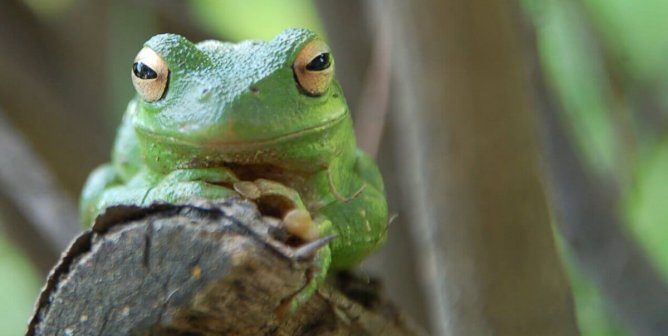
When a biology teacher in Indiana asked for help replacing dissection with humane teaching tools, PETA jumped to donate virtual frog-dissection software.

PETA awards a grant to Iowa State University students for organ-on-a-chip technology that could save countless animals from cruel and unreliable experiments.
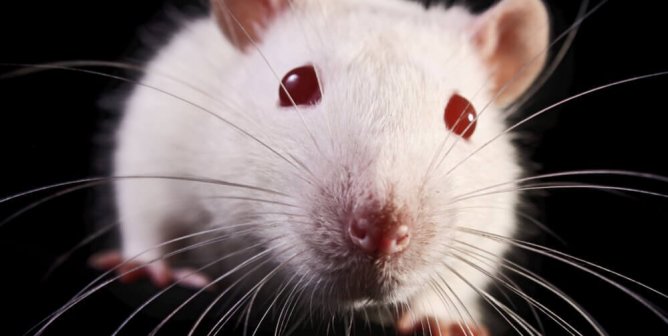
Experimenters are starting to move away from the use of animals in tobacco toxicity tests and instead embrace humane methods.
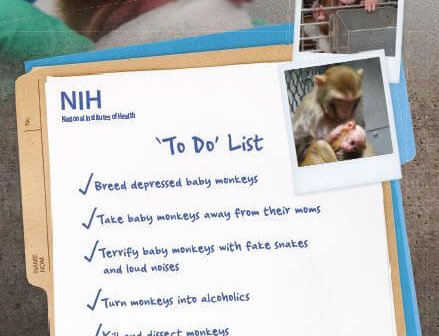
Just in time for tax week, PETA’s ad exposes the federal government for wasting taxpayers’ dollars—and monkeys’ lives—in cruel maternal-deprivation experiments.

After a fire department in Ontario refuses to help animals stranded on thin ice, we urge it to reconsider and rescue all species in trouble.

Following multiple biting incidents and PETA’s requests for USDA investigations, SeaWorld Orlando ends its public dolphin-feeding program.
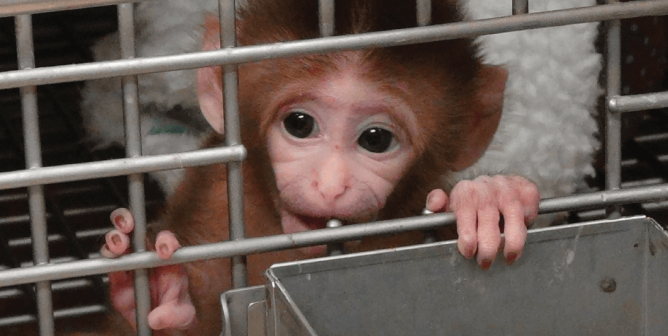
Psychologists, other mental-health specialists, physicians, researchers, and primatologists slam NIH’s cruel maternal-deprivation experiments on baby monkeys.
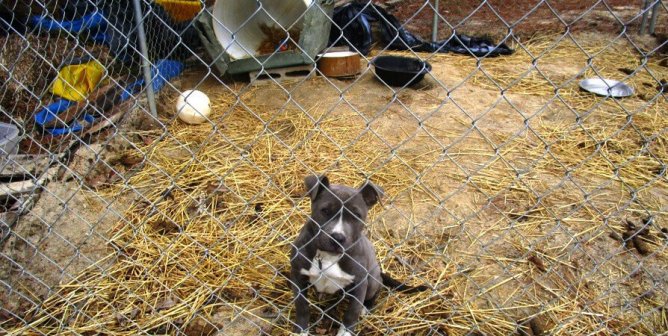
As dangerously cold temperatures grip the East Coast, PETA’s fieldworkers race to bring neglected animals lifesaving shelter, nourishment, and hope.

Attendees at a Denver dog show are squirming after PETA’s billboard points out the uncomfortable truth: Breeders kill shelter dogs’ chances.

Are you a veterinarian with a passion for helping the most destitute patients and stopping animal homelessness in its tracks? If so, we want you on our team!
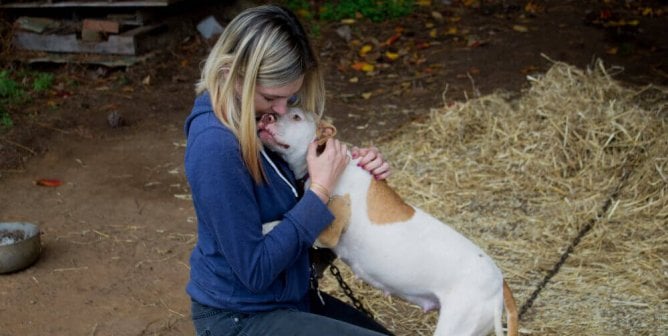
A high “save rate” at an animal shelter sounds appealing, but what does it mean for animals?
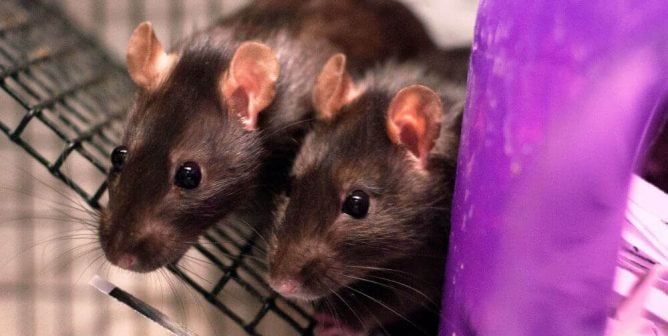
Vivisectors have found that tickling rats helps them endure painful injections. But why are these smart, sensitive animals experimented on at all?

