


This isn’t the first time thousands of animals have endured nightmarish deaths at sea—drowning in similar shipwrecks or dying en masse from dehydration or disease.

The Farmer John slaughterhouse in Vernon, California, is finally closing, along with the fortress of lies it built around the premises depicting “happy” pigs.

One wannabe social media influencer learned an important lesson about teasing animals after an orangutan he allegedly taunted decided to fight back.
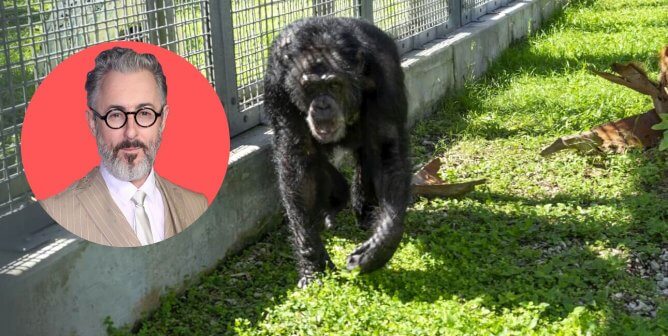
Tonka the chimpanzee—rescued earlier this year by PETA from a cramped cell in a Missouri basement—is recovering at a Florida sanctuary.
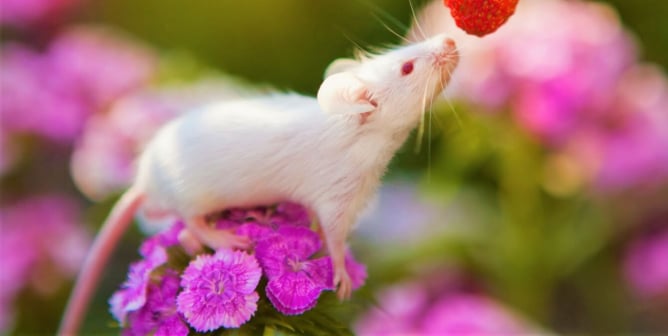
By keeping vile glue traps off store shelves, Target is proving that it has a big heart for small animals.

PETA is pushing for animal-free Shrine circuses in Kentucky after the state adopted regulations limiting the use of endangered animals for entertainment.
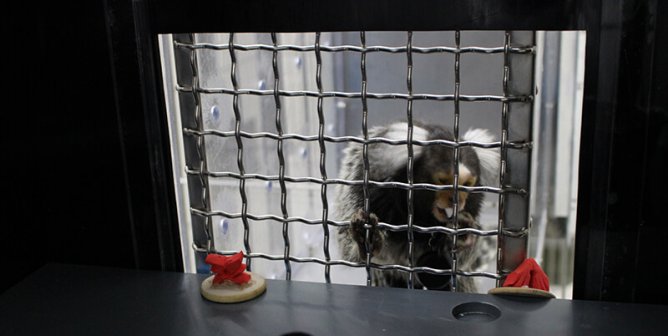
Marmoset monkeys at UMass were physically harmed on multiple occasions as a result of employees’ improper handling. PETA is calling for action.
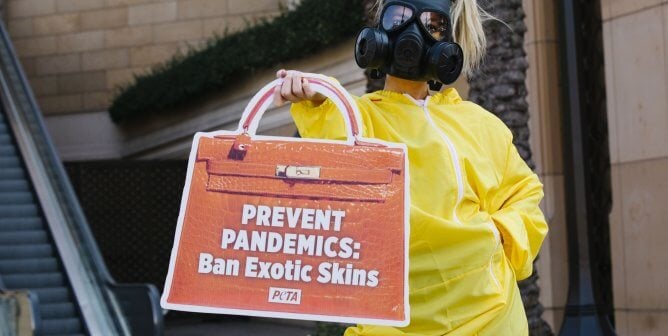
Burberry has banned exotic skins following campaigns by PETA entities. Will Hermès, Gucci, and Louis Vuitton be next?

If you come across a social media post or video showing animals being teased, speak out: Leave feedback and help inform others about why these things are harmful. Learn what to say now.

PETA scientists regularly award promising researchers with the tools they need to replace animal tests with modern, kinder methods.

These businesses participated in PETA’s push for a vegan Earth Day in 2022. Learn how you can carry on the legacy of this animal- and eco-friendly holiday every day.
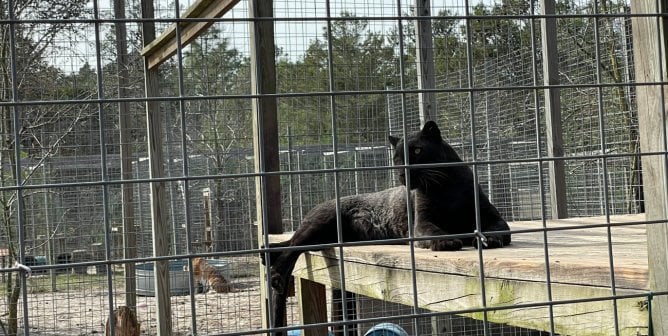
Over and over again, the roadside zoo Single Vision in Melrose, Florida, has put animals and visitors at risk of injury and even death.
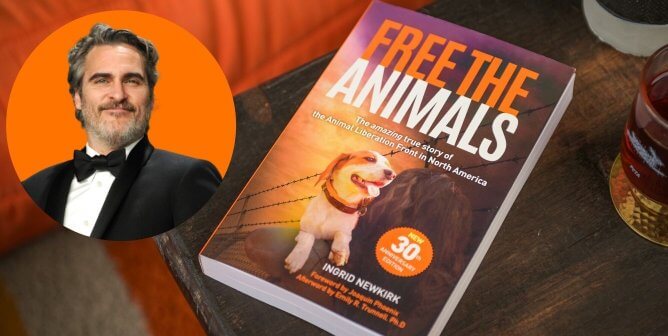
Order the newly expanded special edition of “Free the Animals”—with thrilling real-life backstories of the most daring animal rescues in U.S. history.
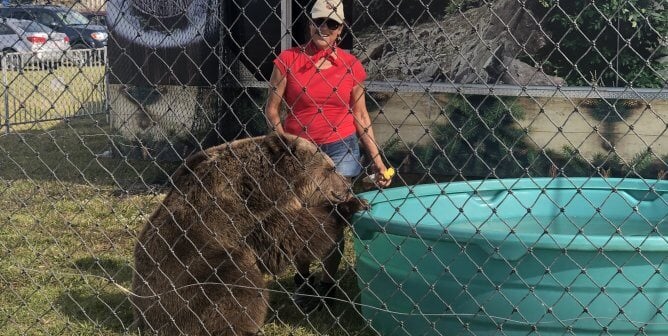
After receiving a tip from PETA, the USDA slapped Bearadise Ranch owner Monica Welde with a critical citation and an official warning.
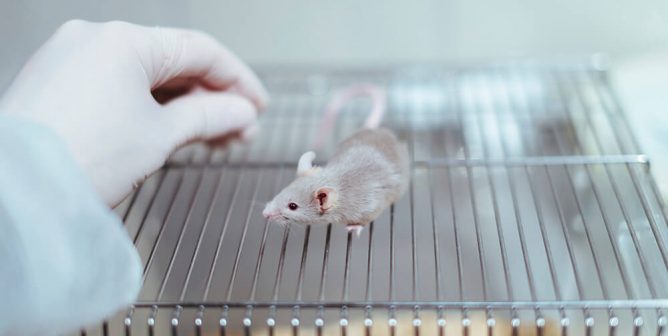
PETA scientists have coauthored a paper that will help reduce the number of mice and rats used in tests to see if pesticides cause cancer in humans.