
5 Ways PETA Scientists Accelerated Non-Animal Toxicity Testing in 2025
From a landmark victory that saved animals from deadly chemical tests to championing innovators who are reinventing the laboratory with animal-free tech, PETA scientists spent 2025 advancing a global shift toward smarter, humane toxicity testing.
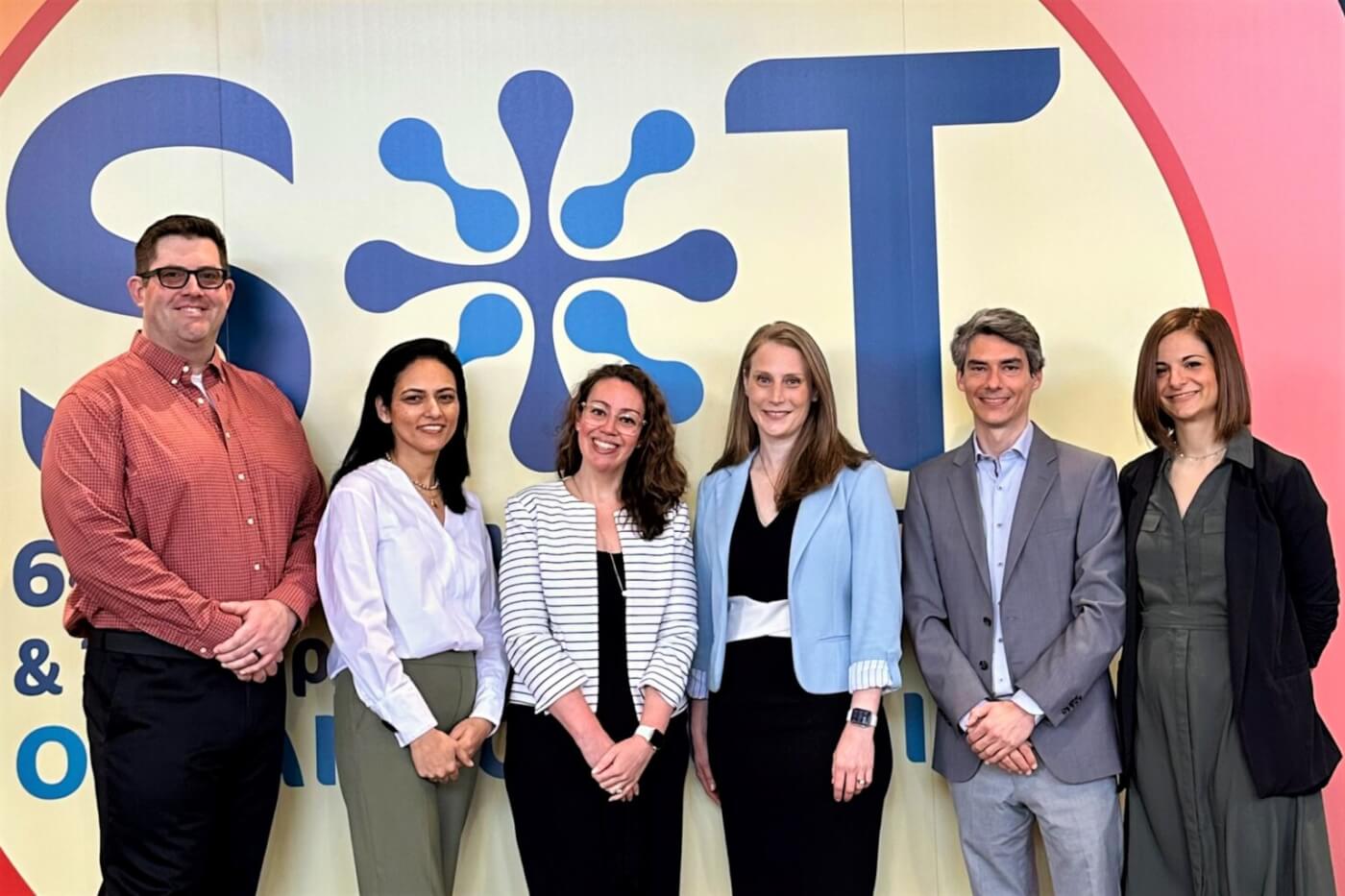
Before we leap forward into a new year, let’s reflect on 2025’s progress for animals, science, and public health!
A Landmark Win Saved Pregnant Rats and Their Babies From Ingesting or Inhaling Chemicals
PETA scientists joined forces with a company to stop a European government agency from requiring a massive reproductive toxicity test that kills up to 1,200 pregnant rats and their babies per chemical. The Board of Appeal concluded the test was unjustified, sparing hundreds of animals. This decision sets a remarkable precedent so companies in similar situations in the future will not be pressured to conduct more tests on animals.
A Global Tide Turned Against Required Toxicity Testing on Animals in 2025
PETA scientists helped prompt, and celebrated, commitments from agencies around the world to move to non-animal testing. This year, the U.S. Food and Drug Administration (FDA) announced plans to replace tests on animals for antibody therapies and other drugs with human-relevant methods, and the U.S. National Institutes of Health announced that it will expand and prioritize human-relevant, non-animal testing. Soon after, Health Canada released a strategy—which PETA scientists had submitted recommendations on—that prioritizes non-animal tests for chemical safety. And, after years of action from PETA advocates, the UK government published the world’s first roadmap to end all animal testing.
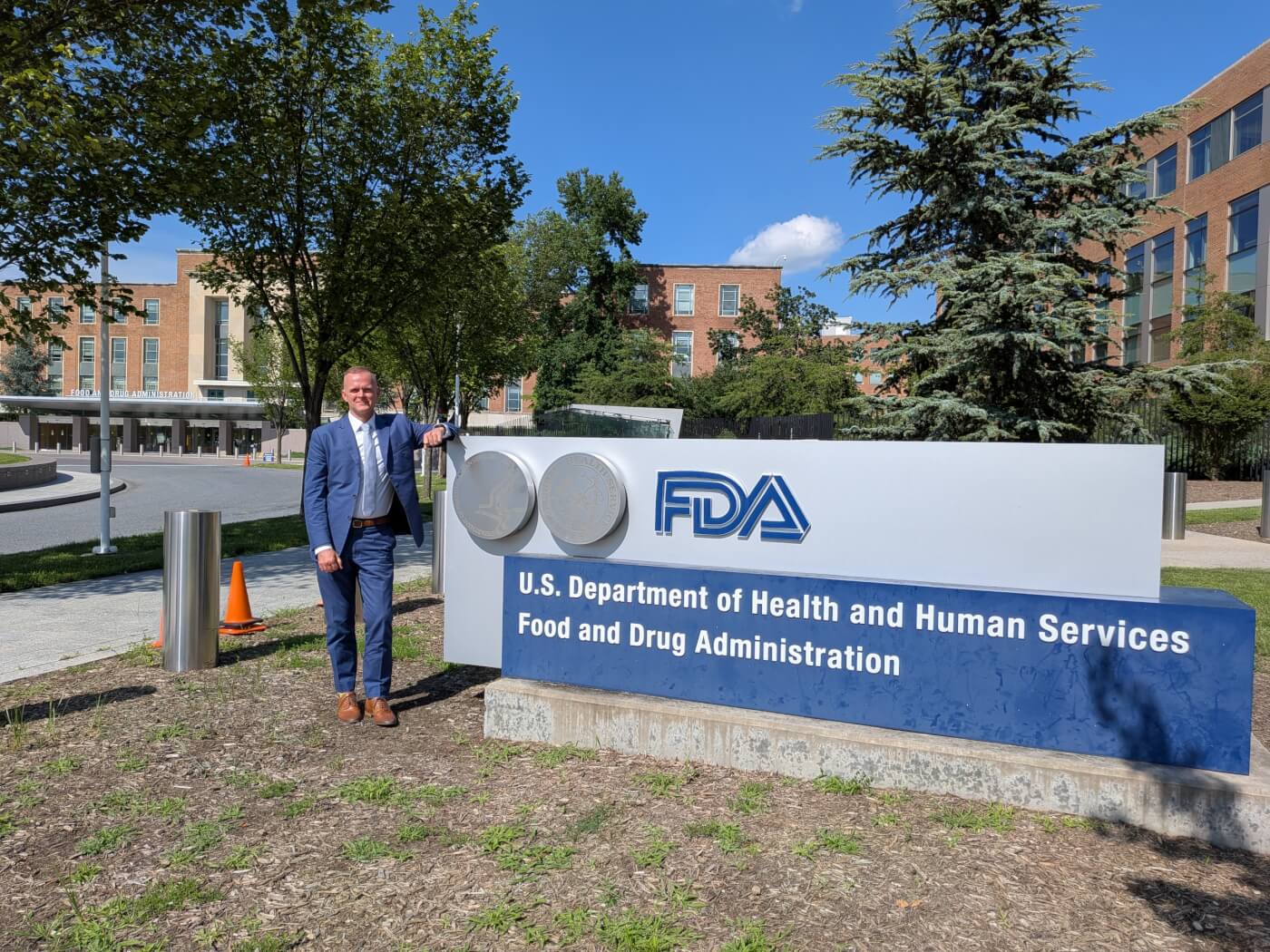
This year, Congress passed a law calling on the FDA to accept non-animal test methods for sunscreens. PETA scientists met with members of Congress and sent multiple letters to the agency, urging it to act swiftly by collaborating with sunscreen manufacturers and other scientific experts who have spent decades developing reliable cell- and computer-based test methods to assess sunscreen safety.
For the first time, the U.S. Environmental Protection Agency (EPA) successfully applied a new scientific approach, developed by experts from the EPA, PETA scientists, and other collaborators, which spared 1,600 animals from deadly cancer tests.
PETA Scientists Advance International Guidelines for Non-Animal Tests
PETA scientists played a key role at Organisation for Economic Co-operation and Development (OECD) meetings, where 38 member countries discuss and vote on global testing standards. This year, several new and updated non-animal approaches were approved. Through expert groups, written comments, and direct participation, PETA scientists continue to influence international guidelines that shape regulatory science worldwide.
Compassionate Innovators Won Accolades for Animal-Free Science
PETA Science Consortium International e.V. awarded innovators and their impressive new technologies. This includes new hydrogel-on-chip platforms, which help scientists avoid using animal parts, such as proteins derived from mouse tumors. Scientists from PETA India introduced an award for pioneers in non-animal science and recognized a researcher developing 3D bio-printed organ-on-chips. These achievements signal a future where innovation thrives without sacrificing lives.
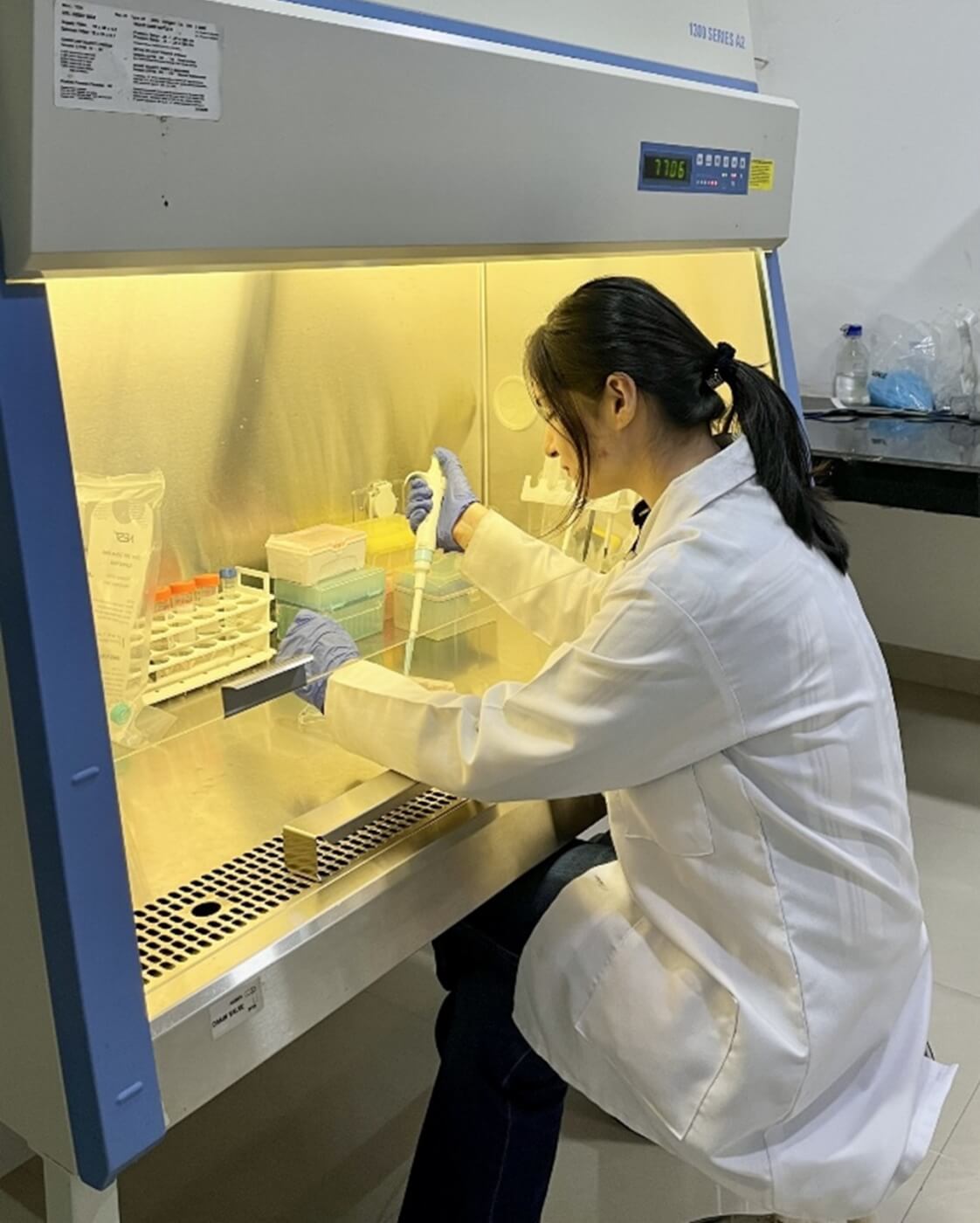
PETA Scientists Gave Old Science a New Lesson in Animal-Free Methods
To help other scientists keep up to speed on the latest animal-free testing advancements, PETA scientists spent the year giving presentations, hosting free webinars, and mentoring the next generation of toxicologists.
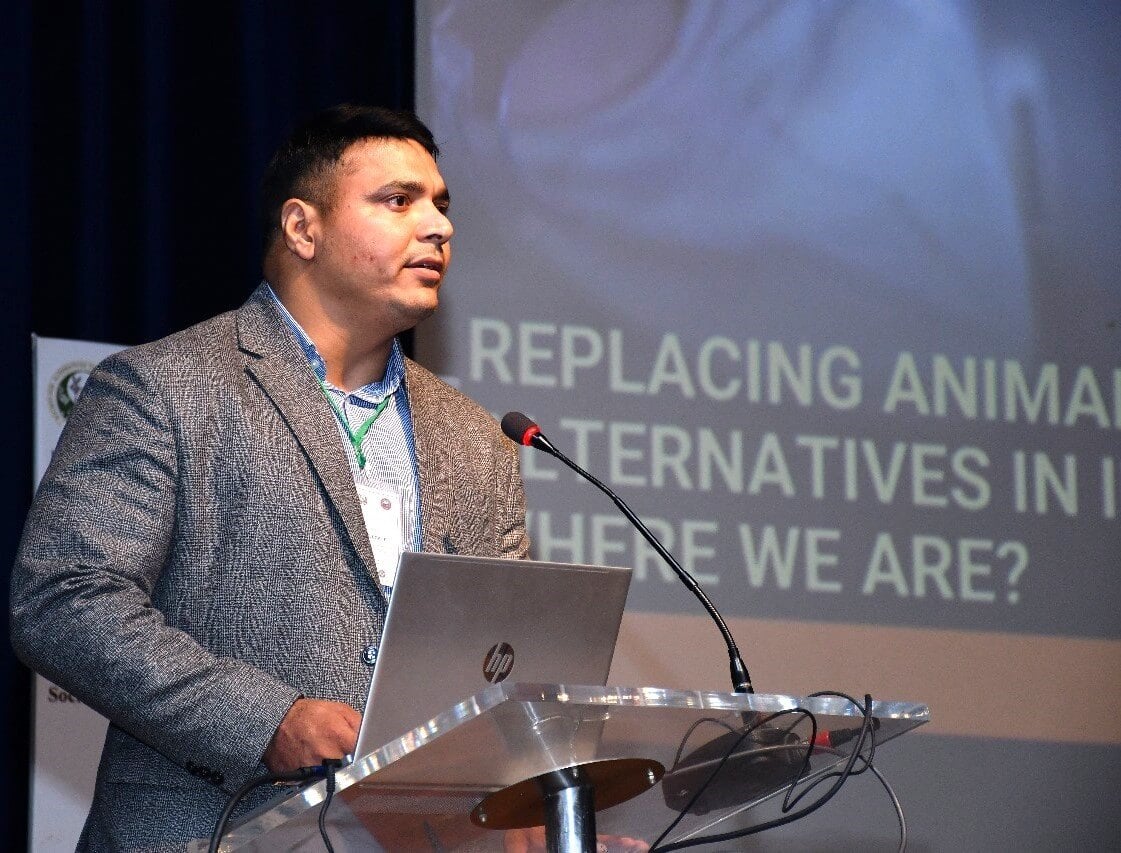
Thanks to sponsorships from the Science Consortium and Colgate-Palmolive, six dedicated scientists from India received state-of-the-art training on how to test chemicals for toxic effects without using animals at a globally recognized non-animal testing facility in the U.S. The Science Consortium also supported early-career researchers attending global conferences and summer school programs through travel grants and helped fund a university graduate-level biology course that is completely animal-free.
Make a New Year’s Resolution to Help End Toxicity Tests on Animals
In the new year, PETA scientists will continue to accelerate the development and global use of animal-free testing. And you can help! Start 2026 off on the right foot by urging the FDA to stop pushing companies to conduct tests on animals for sunscreens that have been safely on the market for decades.