PETA Tip Leads to Rescue of 1,100+ Chinchillas From Filthy Breeding Factory
For Immediate Release:
November 5, 2026
Contact:
Sara Groves 202-483-7382
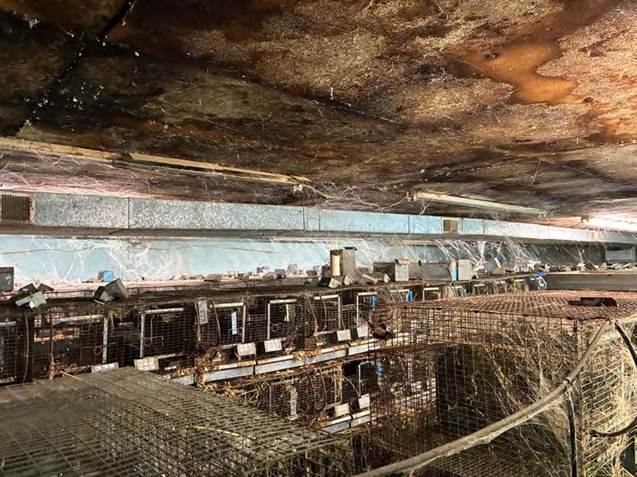
For years, hundreds of chinchillas were hidden from federal inspectors inside a remote Ohio breeding factory, confined in dark, humid sheds reeking of mildew and ammonia, where rows of filthy wire cages were caked with feces, open packets of rat poison lay near occupied cages, and a dead chinchilla remained among living animals—until a PETA tip to federal authorities brought their existence to light. That tip set a massive rescue operation in motion: Federal authorities called on PETA to remove the chinchillas most in need of care from R & R Chinchilla Inc., prompting PETA rescue teams to pack two vans with more than 100 new carriers and make repeated 24-hour round-trip drives to rural Ohio, ultimately rescuing 158 animals. And this week, the U.S. Department of Justice (DOJ) announced that owner and operator James Ritterspach entered into a consent decree requiring him to relinquish all the remaining chinchillas—bringing the total number of chinchillas rescued in this case to more than 1,100. Photos of chinchillas at PETA are available here. Photos of the chinchillas from U.S. Department of Agriculture (USDA) inspections before PETA’s rescue are here.
Joined by an independent veterinarian with expertise in small mammals and working alongside officials from the U.S Department of Agriculture (USDA), PETA teams entered the breeding factory—which sold animals to laboratories for experimentation and to the pet trade—and removed those in the worst condition on September 16 and 30. At PETA’s Virginia headquarters, veterinary examinations found the animals suffering from painfully inflamed feet, swollen eyes sealed shut by infections, severely matted and urine-stained fur, raw skin, dental problems, and respiratory and cardiovascular conditions. A number of chinchillas gave birth to kits at PETA in the weeks following the rescue.
Several of the female chinchillas have scars from wounds apparently caused by metal breeding collars designed to prevent them from escaping when males entered their cages to mate. Federal inspection records from the operation document painful conditions, including a metal collar embedded in a chinchilla’s neck.
The chinchillas—ranging in age from newborn to seventeen years old—are receiving veterinary treatment at PETA and recovering on soft, clean bedding in cool, well-ventilated rooms with fresh food, water, hay, cozy hideouts, and ample enrichment toys.
“Horror-movie scenes of chinchillas trapped in filthy cages under layers of thick cobwebs, suffocating ammonia fumes, and suffering from festering infections are what greeted rescuers at this breeding hellhole,” says PETA Vice President of Legal Advocacy Daniel Paden. “PETA is giving the survivors of this nightmare the care and comfort they were so long denied and reminds everyone that animals at pet stores come from mass breeders like this one, where hundreds or even thousands languish out of public view, and to never buy any animal from a pet store or breeder.”
The rescue came after a 39-page complaint filed by the DOJ against R & R Chinchilla and Ritterspach seeking declarative and injunctive relief. The USDA cited Ritterspach for 24 apparent violations of the federal Animal Welfare Act and suspended R & R Chinchilla’s license. On September 4, a modified temporary restraining order required Ritterspach to relinquish the 800 or more chinchillas he had hidden from federal inspectors. Subject to the consent decree announced this week, all chinchillas remaining at the operation are being removed.
PETA—whose motto reads, in part, that “animals are not ours to abuse in any way”—points out that Every Animal Is Someone and offers free Empathy Kitsfor people who need a lesson in kindness. For more information, please visit PETA.org or follow PETA on X, Facebook, or Instagram.