Hold Your Pixelated Horses! PETA Asks Unicode to Include Broken Legs in Horse Racing Emojis
For Immediate Release:
February 10, 2026
Contact:
David Perle 202-483-7382
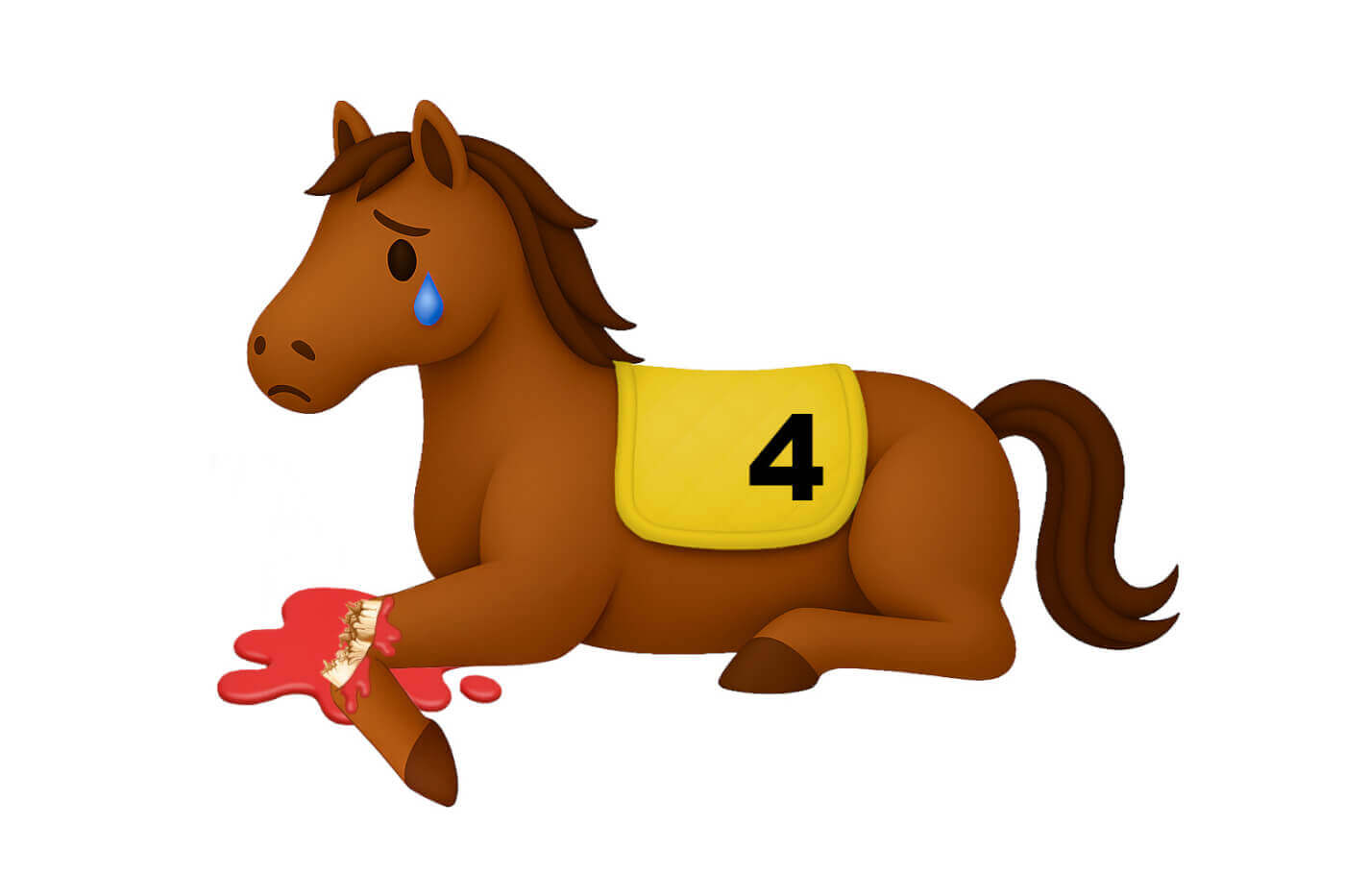
With the Year of the Horse approaching, PETA sent a letter this morning to Unicode Consortium CEO Toral Cowieson, asking her to replace Unicode’s idealized horse racing-themed emojis with a more true-to-life depiction of horses in the racing industry—such as an image of a collapsed horse suffering from a severely broken leg. An average of 24 horses die on U.S. racetracks every week—a figure that doesn’t include most of those who are euthanized off-site or who die at training facilities.
PETA points out that Unicode’s current, cheerful depictions mask the suffering endured by horses in the racing industry, who are forced to sprint at speeds so fast that they frequently sustain catastrophic and often fatal injuries. When they stop winning races, many horses are sent to slaughterhouses in Canada or Mexico, where their flesh is taken for human and dog food.
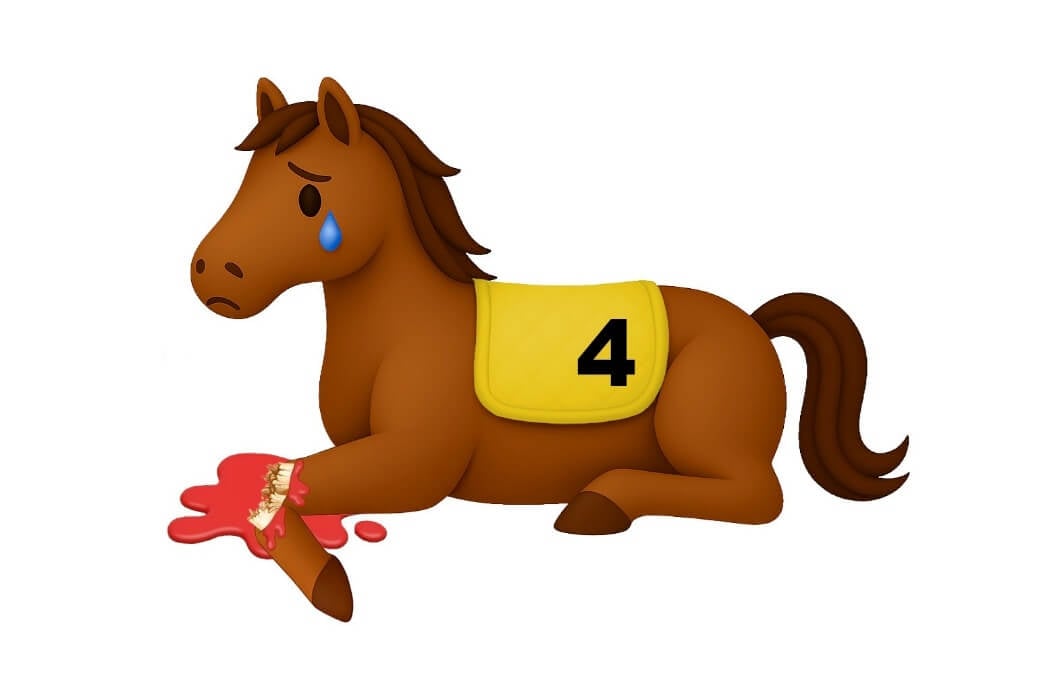
“Emojis speak louder than words, and Unicode’s benign depictions of horse racing sugarcoat the carnage of the racetrack,” says PETA President Tracy Reiman. “PETA is calling on Toral Cowieson to show the reality of this deadly industry, shattered bones and all.”
PETA—whose motto reads, in part, that “animals are not ours to use for entertainment”—points out thatEvery Animal Is Someone and offers free Empathy Kits for people who need a lesson in kindness. For more information, please visit PETA.org or follow PETA on X, Facebook, or Instagram.
PETA’s letter to Unicode follows.
February 10, 2026
Toral Cowieson, CEO
Unicode Consortium
Dear Ms. Cowieson:
I’m writing on behalf of People for the Ethical Treatment of Animals—PETA entities have more than 10.4 million members and supporters globally, including more than 700,000 in California. As we approach the Year of the Horse, we respectfully urge Unicode to remove the horse racing–themed emojis, specifically the Horse Racing (🏇) and Horse’s Gmail and SoftBank versions (,
) and to replace them with ones that realistically depict the suffering inflicted by horse racing. Please let me elaborate:
Unicode’s current emojis present an idealized image that sharply contrasts with the reality of what horses endure in the racing industry. Horses are routinely pushed beyond their physical limits, often sustaining catastrophic injuries that frequently lead to death. In the United States, an average of 24 horses die on racetracks every week, and these figures reflect only reported on-track fatalities.
Many horses discarded from tracks in the U.S. are sent to slaughterhouses in Canada or Mexico, where they’re processed into products such as dog food. In South Korea and Japan, horses are also slaughtered for human consumption, companion animal food, and cosmetics when they fail to win races. It’s ironic that the Year of the Horse symbolizes freedom and vitality while horses in the racing industry are deprived of autonomy. There is almost limitless evidence that they are whipped and drugged with illegal substances, including cocaine, and that they routinely sustain fatal injuries.
By depicting horse racing through the current emojis, Unicode unwittingly contributes to the public’s lack of awareness about the horses’ suffering and awful lives and helps normalize an industry rife with cruelty and exploitation. And, as with other forms of language and symbolism, emojis shape cultural values—harmful portrayals can and should evolve.
Removing the horse-racing emojiswould position the consortium as a leader in advancing visual language. Another option would be to replace them with this alternative emoji that reflects the realities of the industry.
Thank you for your consideration. I look forward to hearing from you.
Very truly yours,
Ingrid Newkirk
Founder