From Cow Goggles to Aliens: PETA Offers UW–River Falls An Immersive VR Lesson in Empathy
For Immediate Release:
April 2, 2026
Contact:
Alex Payne 202-483-7382
Following UW-River Falls’ announcement that its animal agriculture program has started using augmented reality goggles called Animal Eye Simulator to see “the world like a cow would,” PETA sent a letter to the university this morning offering its own groundbreaking virtual reality experience, When They Came for Us, which it says helps people develop understanding and empathy for other animals.
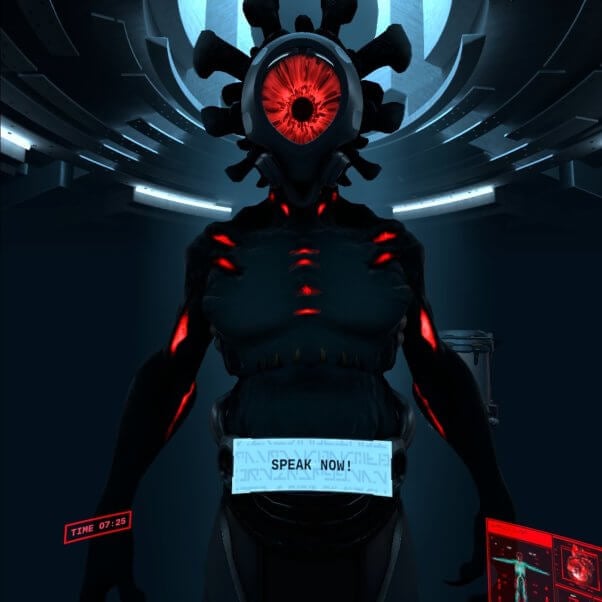
As PETA writes in its letter, “Simply seeing with a cow’s field of vision can never convey what it feels like to be forced down a narrow chute that smells like blood and death, bodies packed tight, instincts screaming, as friends ahead of you disappear one by one.” In PETA’s VR experience, players are required to persuade a powerful alien life form not to exploit them and as PETA writes, “helps them reflect on why exploiting other animals is cruel and unnecessary.”
“Seeing what a cow sees is meaningless if you fail to feel what the cow endures in a slaughterhouse, and a virtual reality simulator that stops short of actual reality risks eroding empathy in students and normalizing violence,” says PETA Vice President of Campaigns Danielle Katz. “PETA urges UW-River Falls to accept its offer of a truly immersive VR experience that challenges everyone to consider compassion from an animal’s point of view.”
PETA—whose motto reads, in part, that “animals are not ours to eat or abuse in any other way”—points out that Every Animal Is Someone and offers free Empathy Kits for people who need a lesson in kindness. PETA also offers a free vegan starter kit on its website for anyone ready to make the switch. For more information, please visit PETA.org or follow PETA on X, Facebook, or Instagram.
PETA’s letter to UW-River Falls’ Humane Handling Institute Program Director Kurt Vogel follows.
April 2, 2026
Dear Kurt Vogel,
Greetings from People for the Ethical Treatment of Animals (PETA). After learning of the Humane Handling Institute’s use of the Animal Eye Simulator, we’d like to offer your program a ground-breaking virtual reality experience that will provide real insight into the lives of other species. Let me explain.
PETA firmly supports any effort humans make to put themselves in the place of other animals with the goal of becoming more empathetic to their plight—but since the Animal Eye Simulator is being used instead to more effectively trick them into being more cooperative in their own deaths, we feel compelled to offer another option. Simply seeing with a cow’s field of vision can never convey what it feels like to be forced down a narrow chute that smells like blood and death, bodies packed tight, instincts screaming, as friends ahead of you disappear one by one.
Seeing what a cow sees is meaningless if you fail to feel what the cow endures. A simulator that stops short of actual reality risks eroding empathy and normalizing violence.
PETA is prepared to bring our virtual reality experience When They Came for Us to the Humane Handling Institute. Like your Animal Eye Simulator, it asks participants to step outside their own perspective—but instead of mimicking an animal’s vision, it places them at the mercy ofthose who hold their fate in their hands. This immersive experience challenges them to consider: if we expect compassion from those with power over us, how can we deny it to others? Players must persuade a towering alien life form not to exploit them, making the same plea for freedom that other animals cannot voice before it renders its verdict.
Will you allow your trainees to contemplate actual compassion—not just efficiency? We look forward to hearing from you.
Sincerely,
Danielle Katz
Vice President of Campaigns