
‘Wool’ You Believe It? PETA’s Fall Fashion Warning
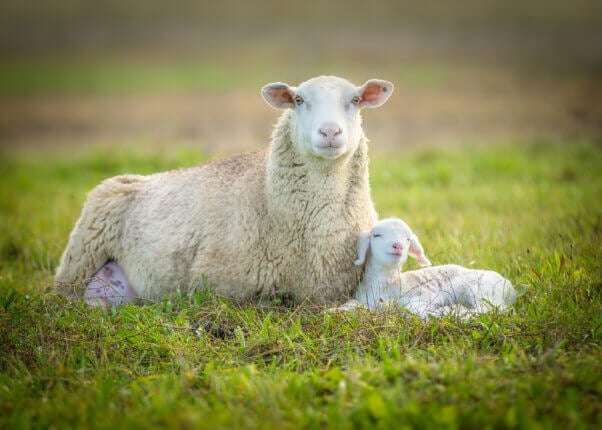
Before you start shopping for this year’s cold-weather staples, please consider the ewe and her lamb in the picture. Sheep mothers do their best to protect their playful babies – little ones who wag their tails like puppies when they’re happy. Smart? A letter writer to New Scientist reported seeing sheep using pieces of wood as tools, gripping them in their mouths to push aside snow and reach the grass underneath. Vulnerable? Very.
Companies that sell sheep’s wool often spin yarns about “ethical” practices. But as PETA’s exposés show, behind the warm and fuzzy labels is a cold, hard truth: Sheep pay with their lives for those sweaters, scarves, socks, and blankets. Read the facts about what we’ve uncovered in the wool trade:
The Big Fiber Fib
PETA Asia conducted the first investigation into NATIVA wool, “the leading brand for responsibly sourced, 100% traceable natural fibers,” at a South African operation that is part of the same “Responsible Wool Standard”-certified wool pipeline that supplies H&M Group. The investigator documented that workers kick sheep, beat them with shearing equipment and wood, and lift terrified lambs by their legs. Shearers are typically paid by volume, not by the hour, and so they work as fast as they can. As a result, careless shearing leaves animals with gaping, bloody wounds. The investigator found one dead lamb and another with a maggot-filled sore.
Zentera’s (formerly New Zealand Merino Company) ZQ certification scheme purports to show customers that companies are “doing things properly … for our animals.” But PETA Asia’s investigations into 11 certified operations revealed that workers throw terrified sheep down chutes, slam them into hard floors, and crudely stitch up wounds without painkillers. The bodies of dead sheep littered some of the properties. New Zealand authorities charged four shearers with 21 animal welfare violations, but while the charges are precedent-setting, PETA entities’ investigations of more than 150 wool operations across seven countries on four continents have consistently revealed extreme pain and suffering for gentle sheep.
Brands Swear Off Shameful Shearing
In response to PETA entities’ exposés and campaigns, fashion stalwarts are rejecting wool, mohair, and other animal-derived materials. Nordstrom’s BP. line went completely vegan. The Ibiza Fashion Festival banned wool, mohair, angora, cashmere, and alpaca after a PETA UK appeal. And Macy’s and Bloomingdale’s private lines, TJ Maxx, and TK Maxx ditched mohair after PETA Asia’s investigations into “Responsible Mohair Standard”–certified farms with ties to H&M, Paul Smith, and other brands showed goats being beaten, cut open, and left for dead.
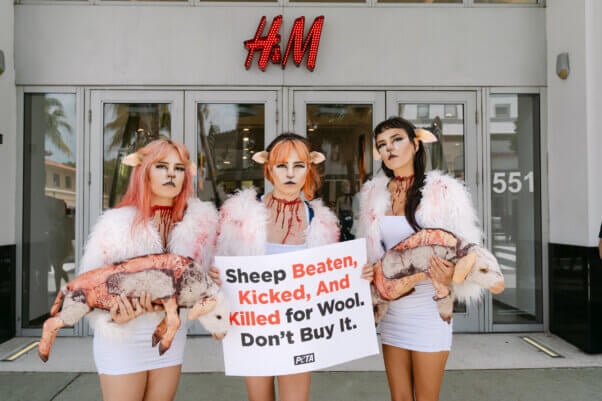
We’re keeping the pressure on with “bloody sheep” popping up outside H&M stores from Miami to London and Stockholm, “glamorous goats” taking over Paul Smith’s window displays, an “E(n)d Shearin’” sheep statue hoofing it across the US, and more.
Wool-Free and Wonderful
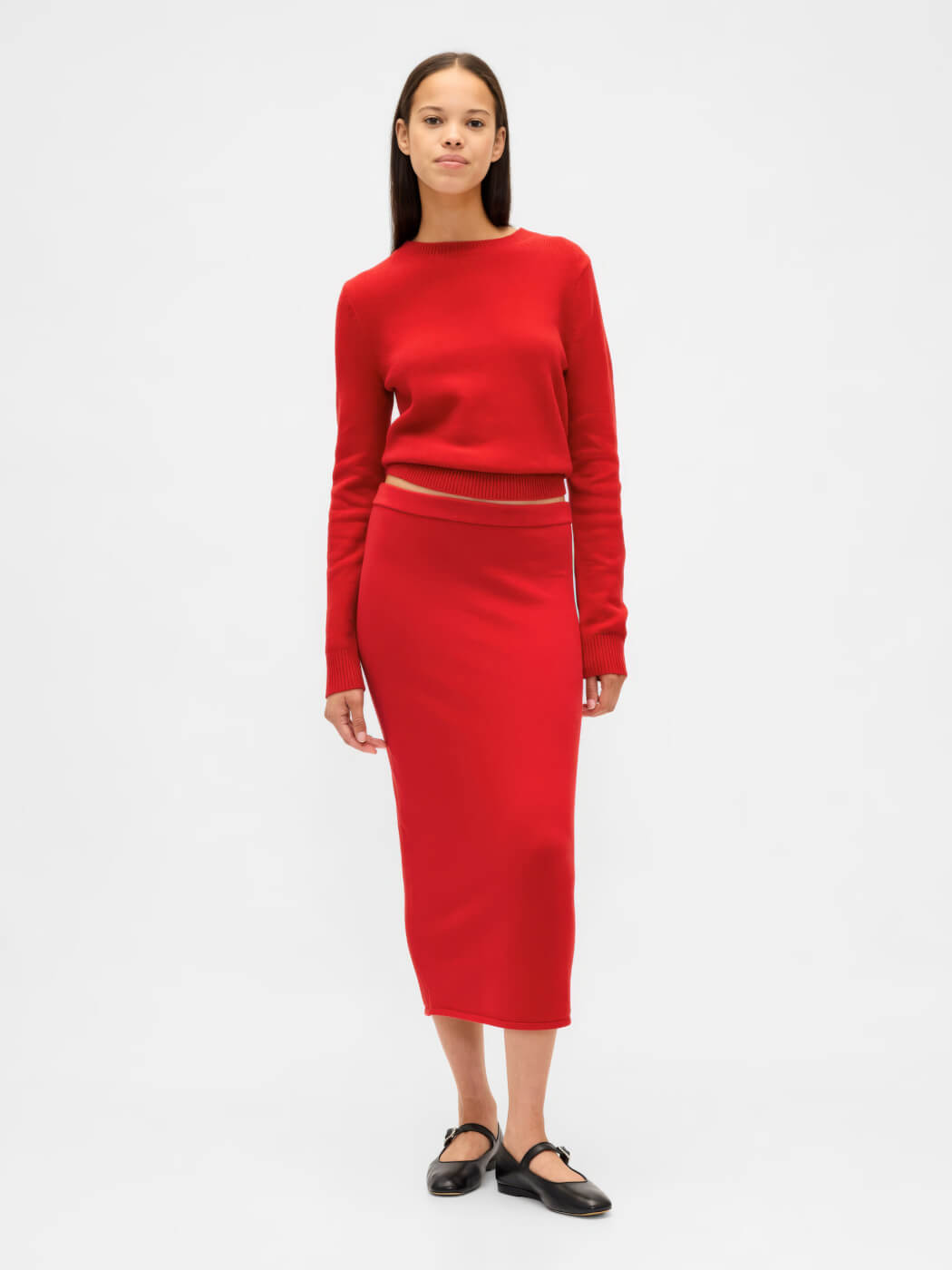
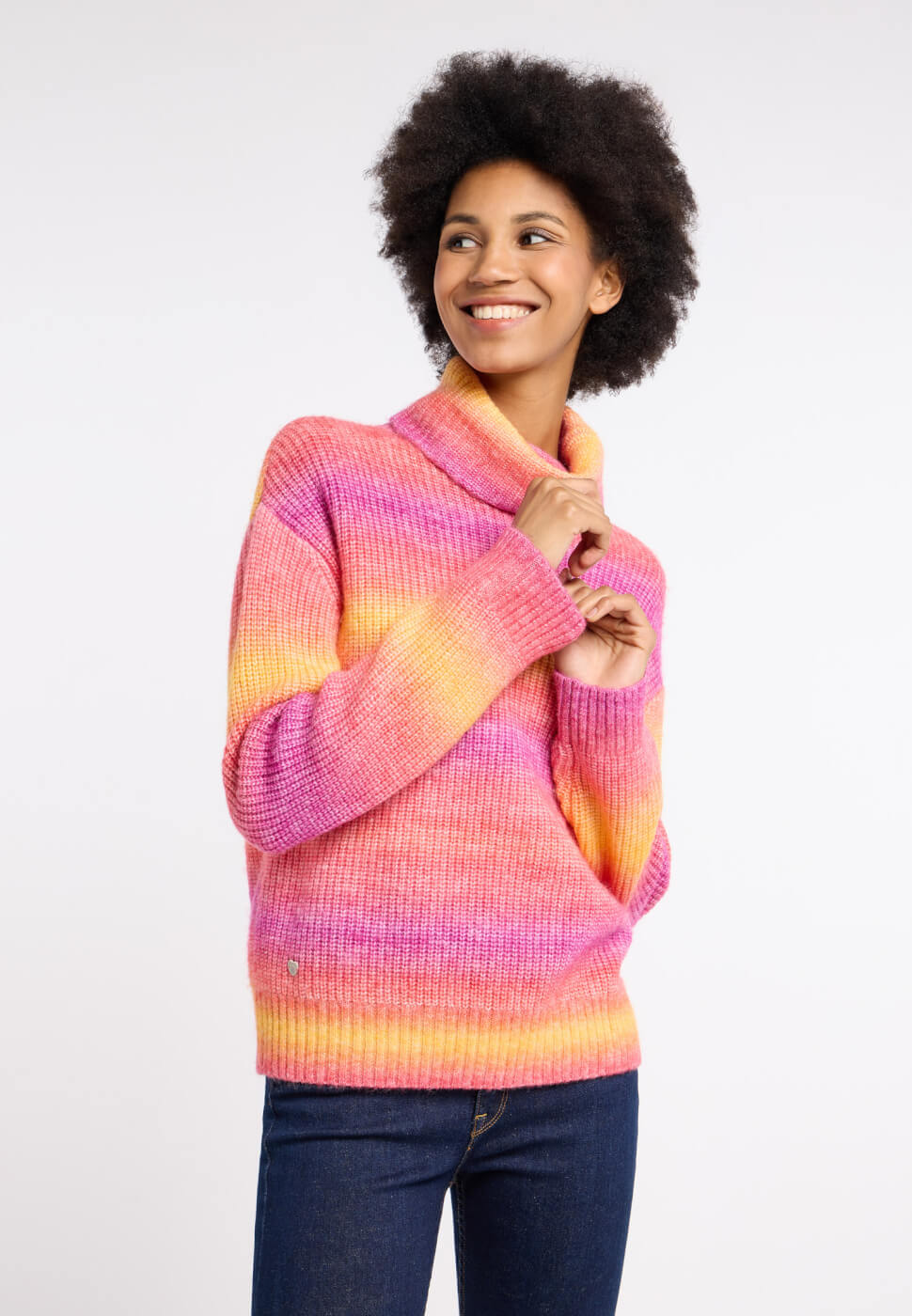
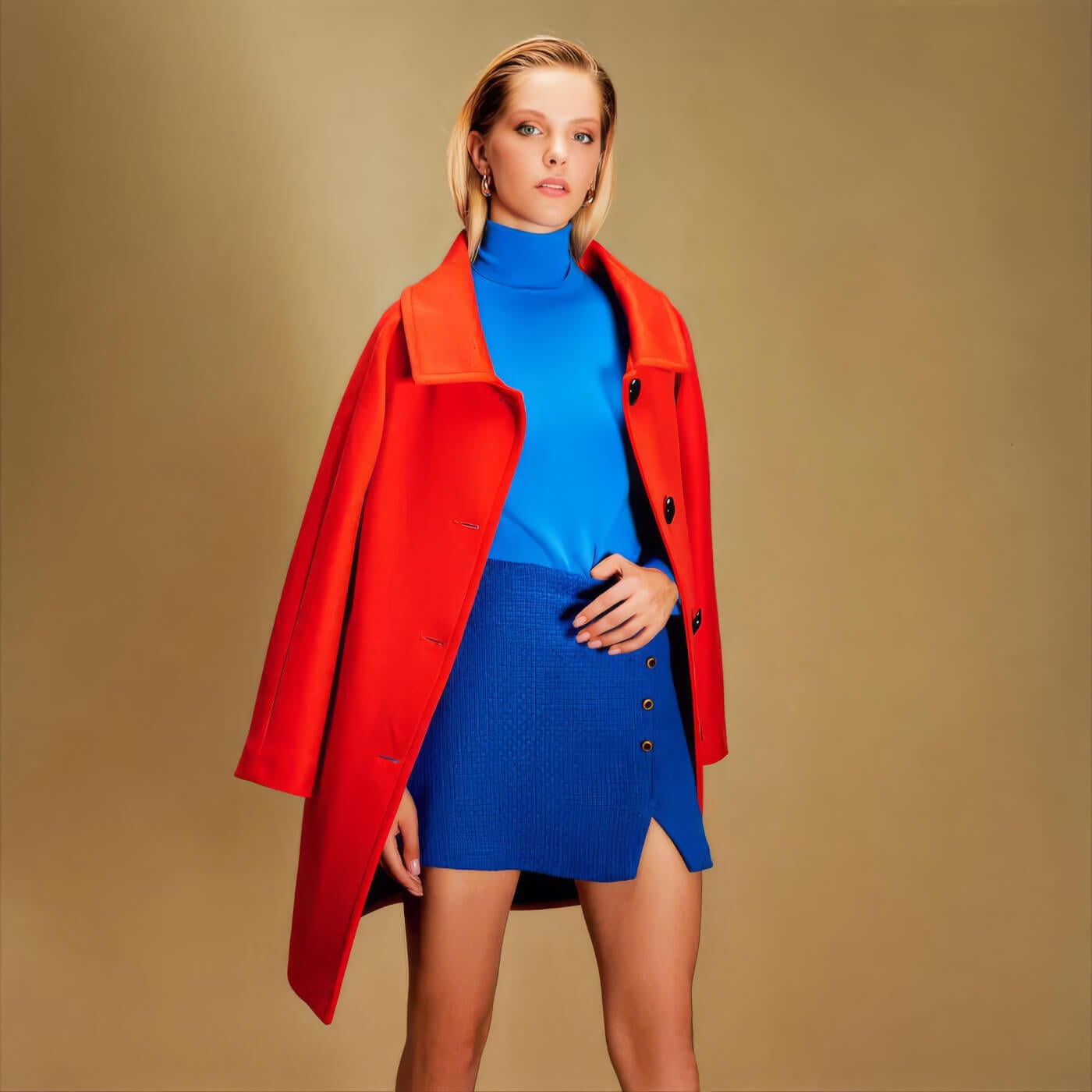
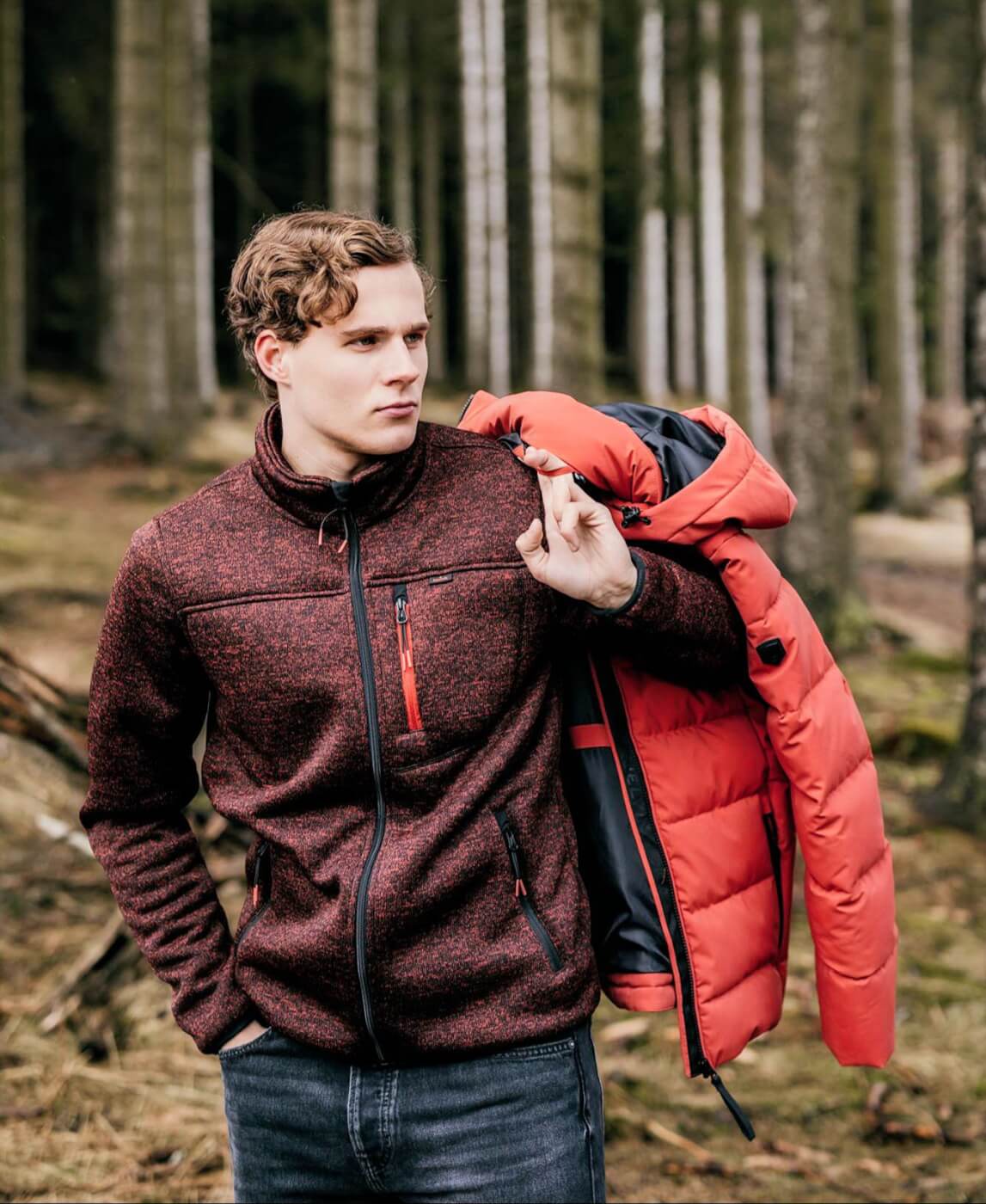
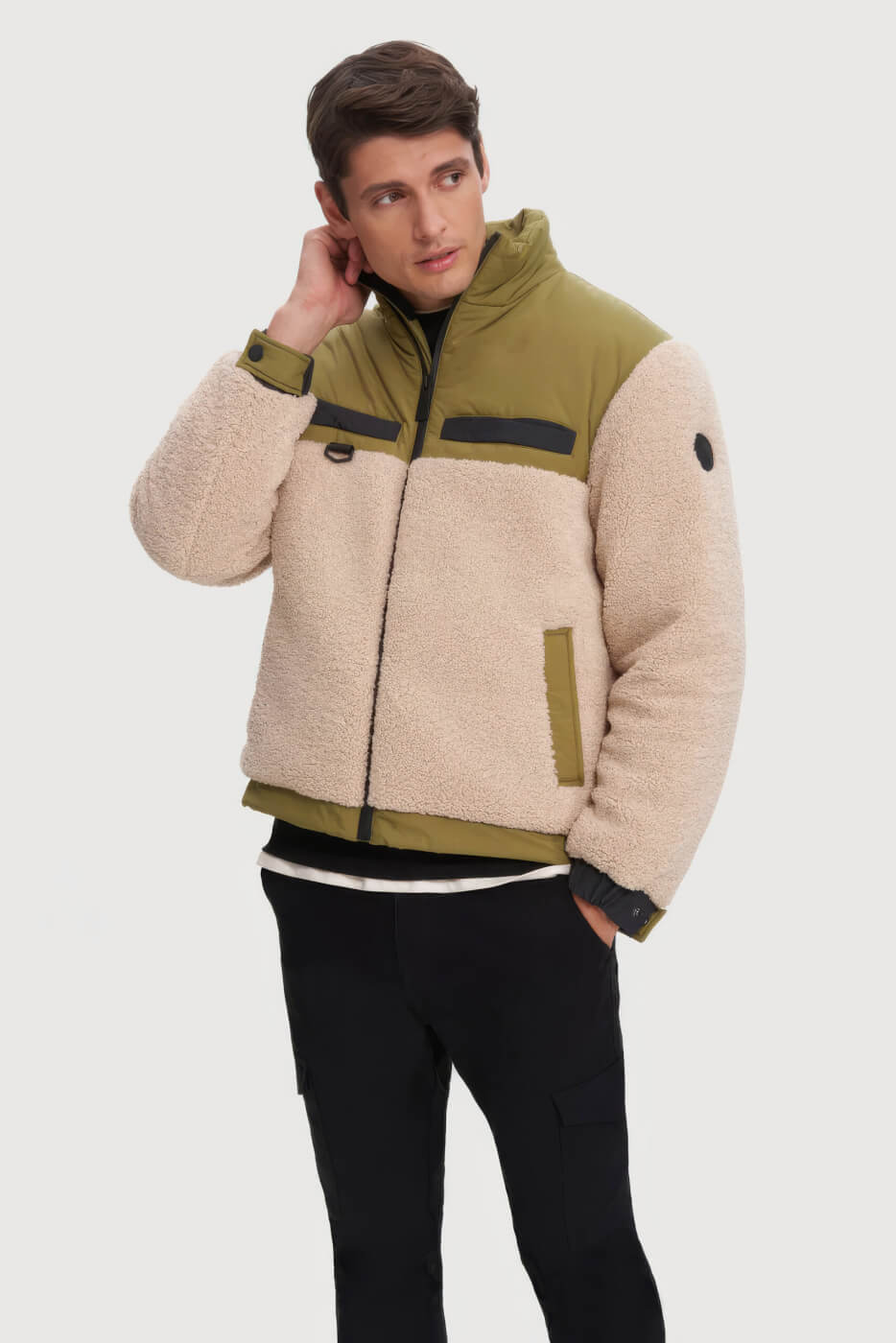
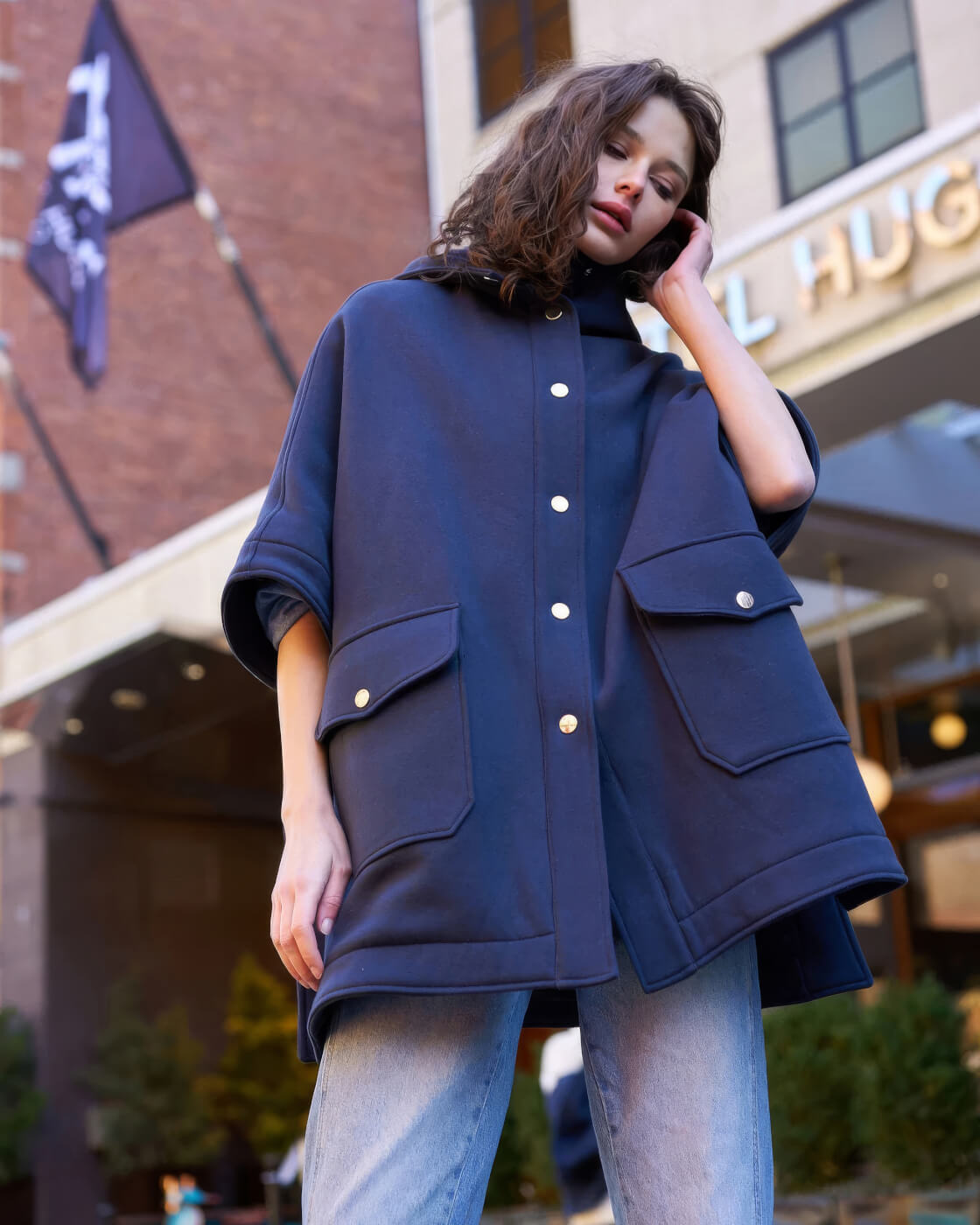
A recent survey of over 2,000 US adults found that 73% of respondents would reconsider purchasing wool if they learned sheep are abused even on self-described “ethical” or “responsible” farms and 70% would choose an animal-free item over a wool one with similar warmth, comfort, style, and durability. And today, options abound. Look for snuggly cotton sweaters from J.Crew, Old Navy, and UNIQLO; crisp, breathable suits made from modal and linen by Calvin Klein, Banana Republic, and Topman; cold-banishing coats and fleeces courtesy of Unreal Fur, Columbia, and Marmot; and cozy blankets available at Ashley Furniture, Pottery Barn, and Walmart.



What You Can Do
This year, slip into animal-free fashions that will keep you bewitching – not itching – all season long: Shop PETAApprovedVegan.com and PETAShoppingGuide.com. And push H&M to make its clothing cruelty-free.

