
Vegan Ethics: Prescription Medicines That Were Tested on Animals
Is it ethical to take prescription medicine that was tested on animals? Find out how to balance health and ethics as a vegan.
What Happens to Animals Used in Medical Experiments?
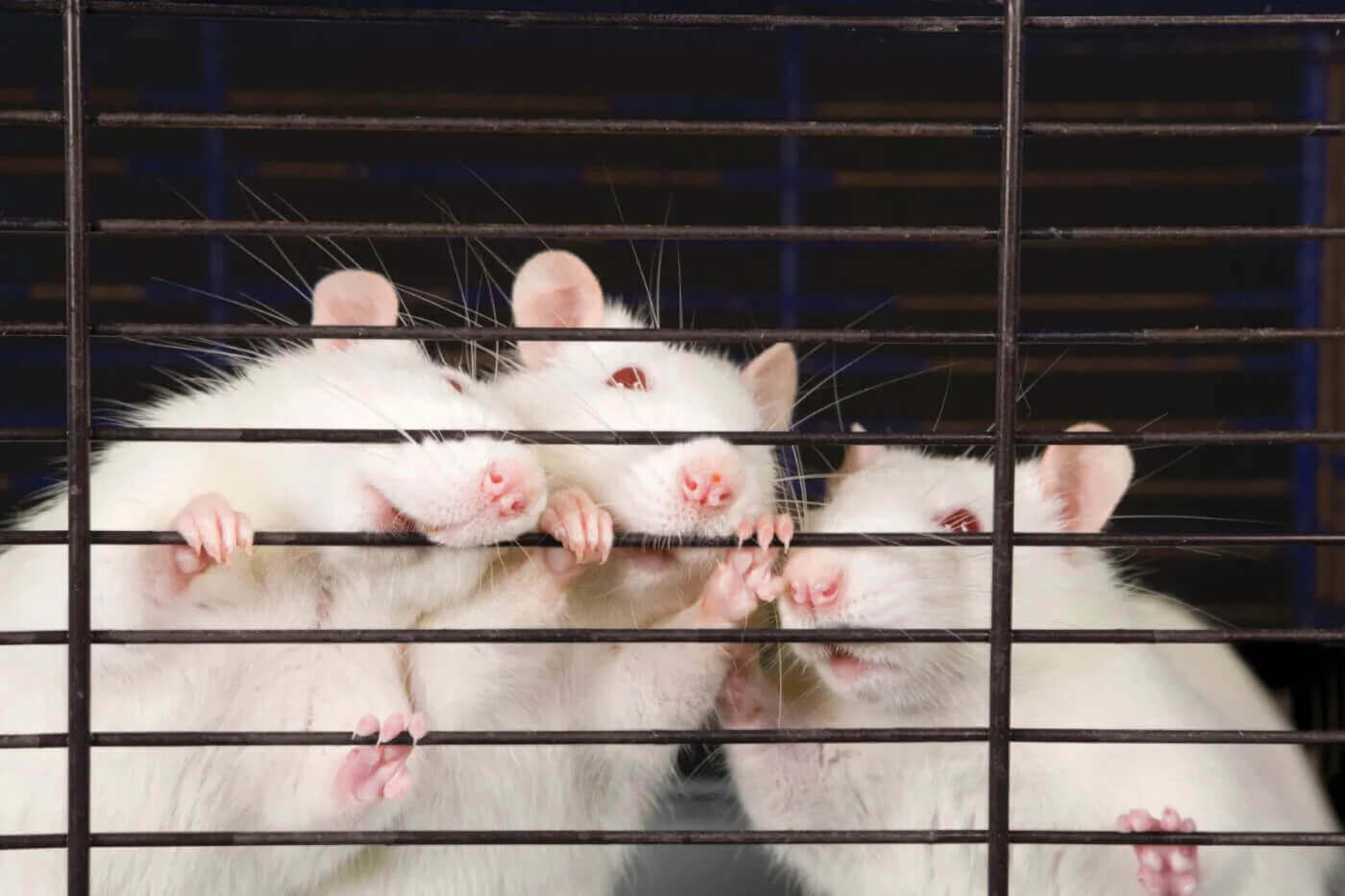
Right now, millions of mice, rats, rabbits, cats, dogs, primates, and other animals are locked inside desolate cages in laboratories across the country. They languish in pain, ache with loneliness, and are deprived of even their most basic needs. All the animals can do is wait in fear of the next terrifying and painful procedure that will be performed on them.
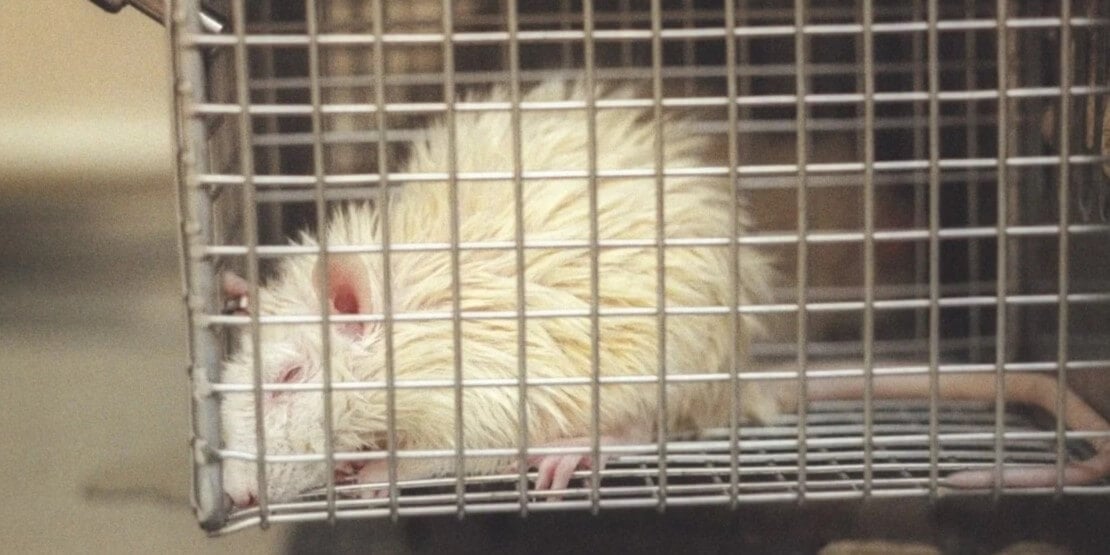
Rats and mice feel pain, fear, loneliness, and joy just as we do. They are highly social animals who communicate with each other using high-frequency sounds that are inaudible to the human ear. Rats have strong social bonds with one another and easily bond with human guardians when not exploited in laboratories. Experiments on one species frequently fail to predict results in another. Even the National Institutes of Health, the world’s largest funder of biomedical research, acknowledges that 95% of all drugs that are shown to be safe and effective in animal tests fail in human trials.
Most experiments on animals:
- Are not relevant to human health
- Do not contribute meaningfully to medical advances
- Are undertaken simply out of curiosity and do not even pretend to hold promise for curing illnesses
Many of the most important advances in health are attributable to human-only studies, including:
- The development of anesthesia
- Bacteriology
- Germ theory
- The stethoscope
- Morphine
- Radium
- Penicillin
- Artificial respiration
- Antiseptics
- CAT, MRI, and PET scans
- The discovery of the relationships between cholesterol and heart disease and between smoking and cancer
- The development of X-rays
- The isolation of the virus that causes AIDS
The evidence is clear: Other animals are poor models for researching diseases that affect humans. So now that we all know that animal experimentation is as cruel as it is ineffective, is it okay to take medicine that was once tested on animals?
Prescription Medications and Animal Tests
Many of the products, services, and medical advances that we can’t imagine living without represent exploitation of humans and our fellow animals. We can’t change the past: Those who have already suffered and died are lost. But just because humans and other animals were abused in the course of developing drugs in the past doesn’t mean that there wasn’t a better way then or that there isn’t one now.
Refusing to take medications that were tested on animals in the past won’t bring those animals back to life. If you need prescription medications to stay alive or treat an illness, take them (but always consult with your physician). Prioritizing your health will enable you to help more animals than if you don’t take medications that help you.
Boycotting medications is ineffective since the U.S. Food and Drug Administration (FDA) requires drug manufacturers to test on animals—even though those tests do not guarantee that drugs will be safe for humans. Change for the better is happening, though! In 2025, the FDA announced the agency would move to replace tests on animals in the development of monoclonal antibody therapies and other drugs with more effective, human-relevant methods. This policy change could save thousands of animals each year from dying inside laboratories in tests irrelevant to human health, inspiring a new era of ethical and effective science.

The best way to help animals used in medical experiments is to loudly champion the availability of superior, animal-free technologies, such as:
- Human-cell and tissue-based tests
- Sophisticated computer simulations
- Safe “microdosing” studies with human volunteers—all of which are faster, more reliable, and more humane than experiments on animals
Do What You Can: Easy Ways You Can Help Animals Used for Experiments
Choose Cruelty-Free Products
By choosing personal care or household items on PETA’s Ultimate Cruelty-Free list, you show clear support for companies using compassionate, animal-free testing methods.
Tell the FDA to Stop Pushing for Tests on Animals
PETA scientists applaud the FDA’s significant step towards phasing out testing requirements on animals and will continue to push for policies that are best for all living beings. But the FDA is pushing some companies to conduct tests on animals for sunscreens that have been safely on the market for decades. Join PETA in urging the FDA to keep lifesaving sunscreens on the shelves without more tests on animals.
Go Vegan!
Being vegan, along with its other countless benefits, could also help limit your need to take prescription drugs. According to the Academy of Nutrition and Dietetics, vegans are less prone to heart disease, certain types of cancer, and diabetes than those who eat meat, cheese, and eggs. Plus, vegans spare nearly 200 animals used for food every year.
Text VEG to 73822 to get the latest vegan lifestyle tips, recipes, and urgent action alerts texted right to your phone.
Terms for automated texts/calls from PETA: https://peta.vg/txt. Text STOP to end, HELP for more info. Msg/data rates may apply. U.S. only.



Whether you’re lounging at home, running errands, or meeting up with friends, the Blondita x PETA Friends of Animals Club collection is the perfect fit!

From orange peel to polished accessories, these Italy-made bags show what’s possible when fashion aligns with compassion.
Ready to resolve to go vegan in the new year? Help animals, the planet, and your own health by following PETA’s pointers for a kinder 2026.
If you’ve ever asked yourself this question, read this.