Did You Know Sponges Aren’t Always Vegan?
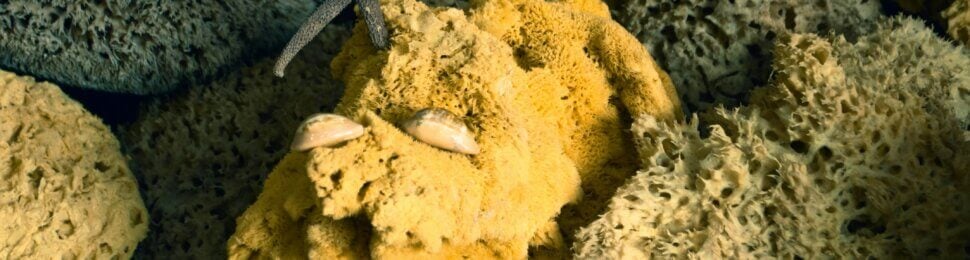
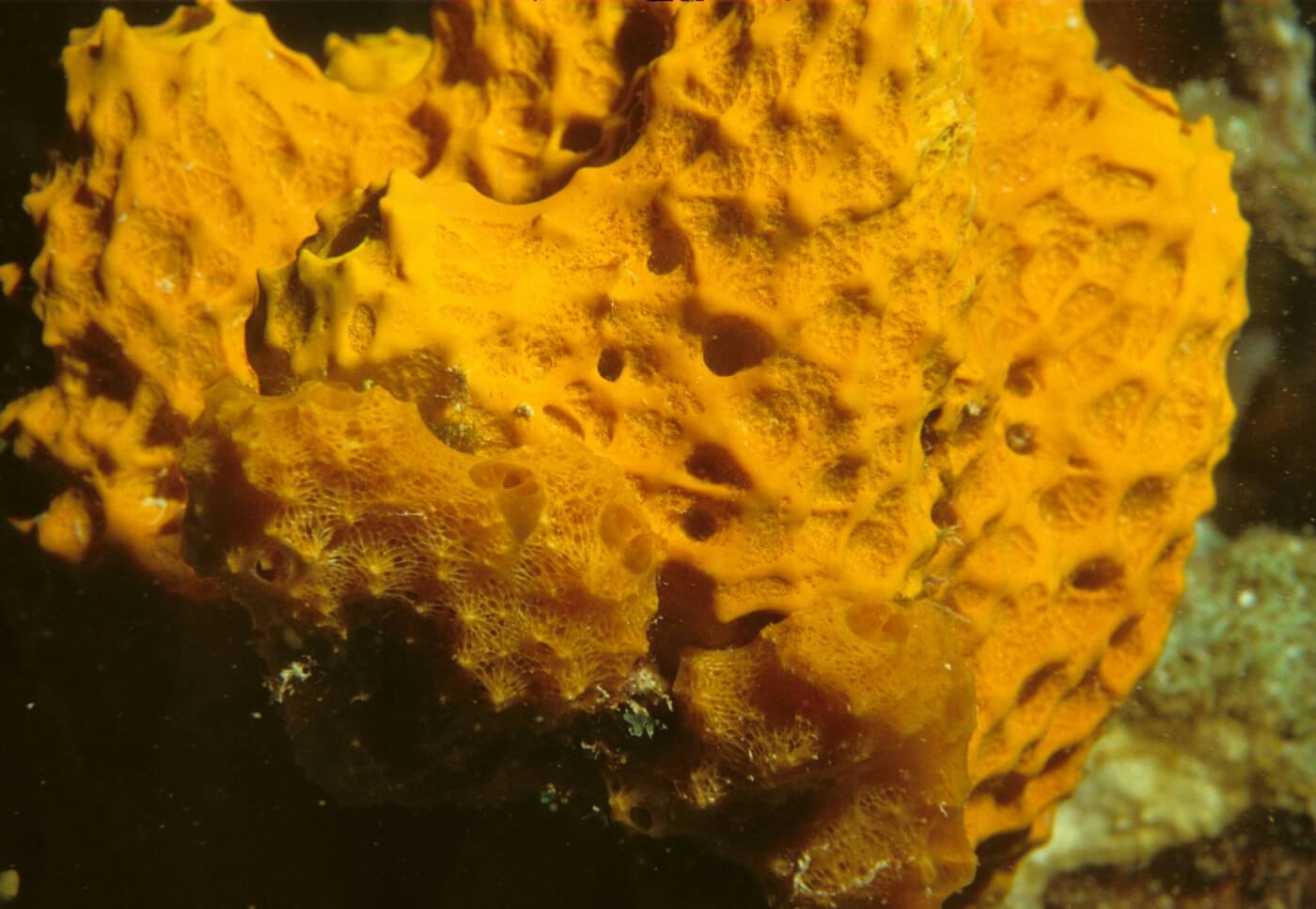
Sea sponges are animals who have porous bodies that allow water to flow through them. Because sea sponges and “natural” sponges are animals, using them for bathing, cleaning, art, or any other purpose is not vegan.
Keep reading to learn more about these ocean-dwelling animals and how to find vegan sponges.
Fun Facts About Sea Sponges
- Sponges don’t have organs or nervous systems but still have specialized cells and reproductive abilities.
- Experts believe their lineage is ancient, dating back around 750-800 million years.
Why Buy Vegan Sponges
- Animal wellbeing: Sea sponges are living organisms with the right to live freely and safely.
- Eco preservation: Removing sponges from reefs can destabilize water filtration and affect other animals.
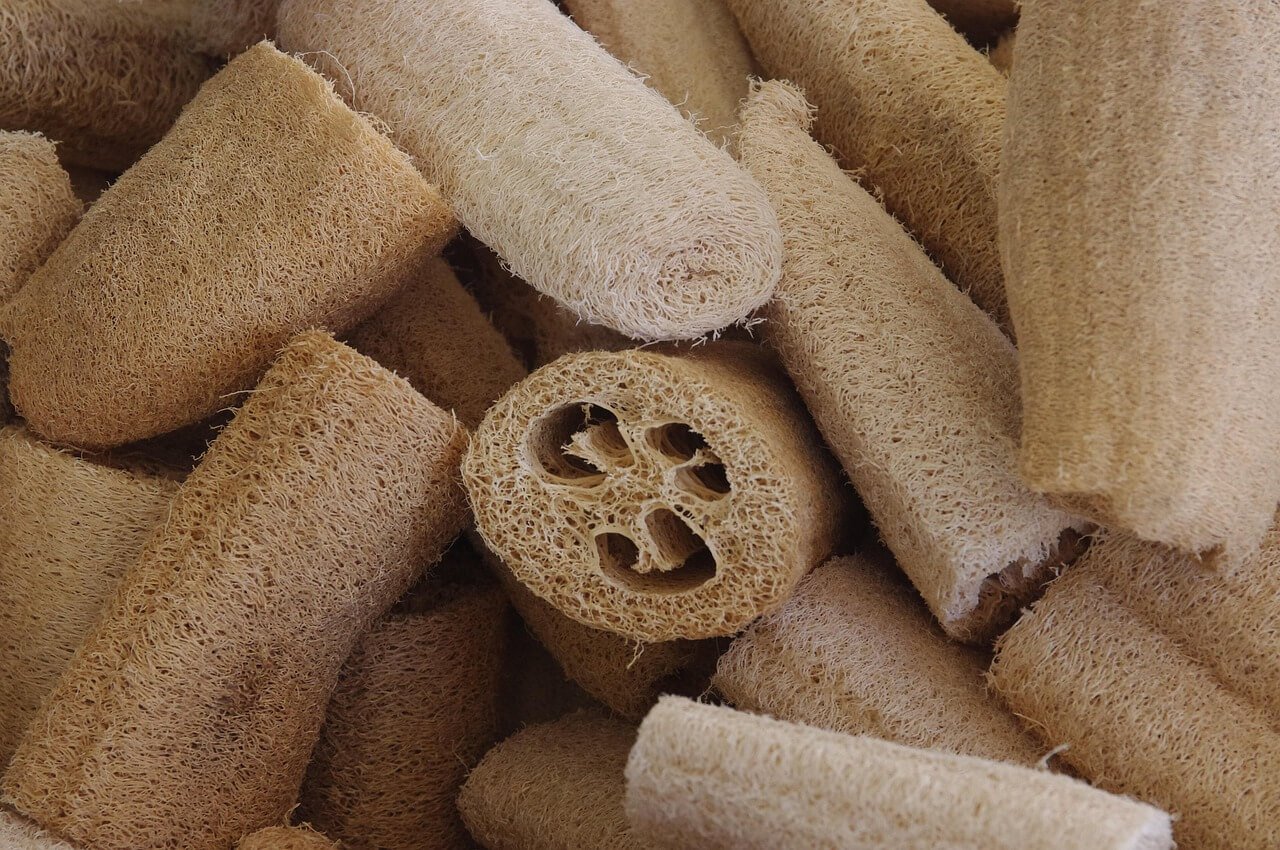
Luffas
- What is it? Luffas are a vine in the cucumber family that yields a fibrous, scrubby skeleton once dried, perfect for bath and dish scrubbing.
- Why choose it? Luffas are compostable and a natural vegan exfoliant.
- Grow one yourself! Not only do luffas make excellent natural scrubbers, but when picked young, they’re delicious in vegan stir-fries, too. And with plenty of sunshine and a structure to climb, you can grow your own loofahs right in your garden.
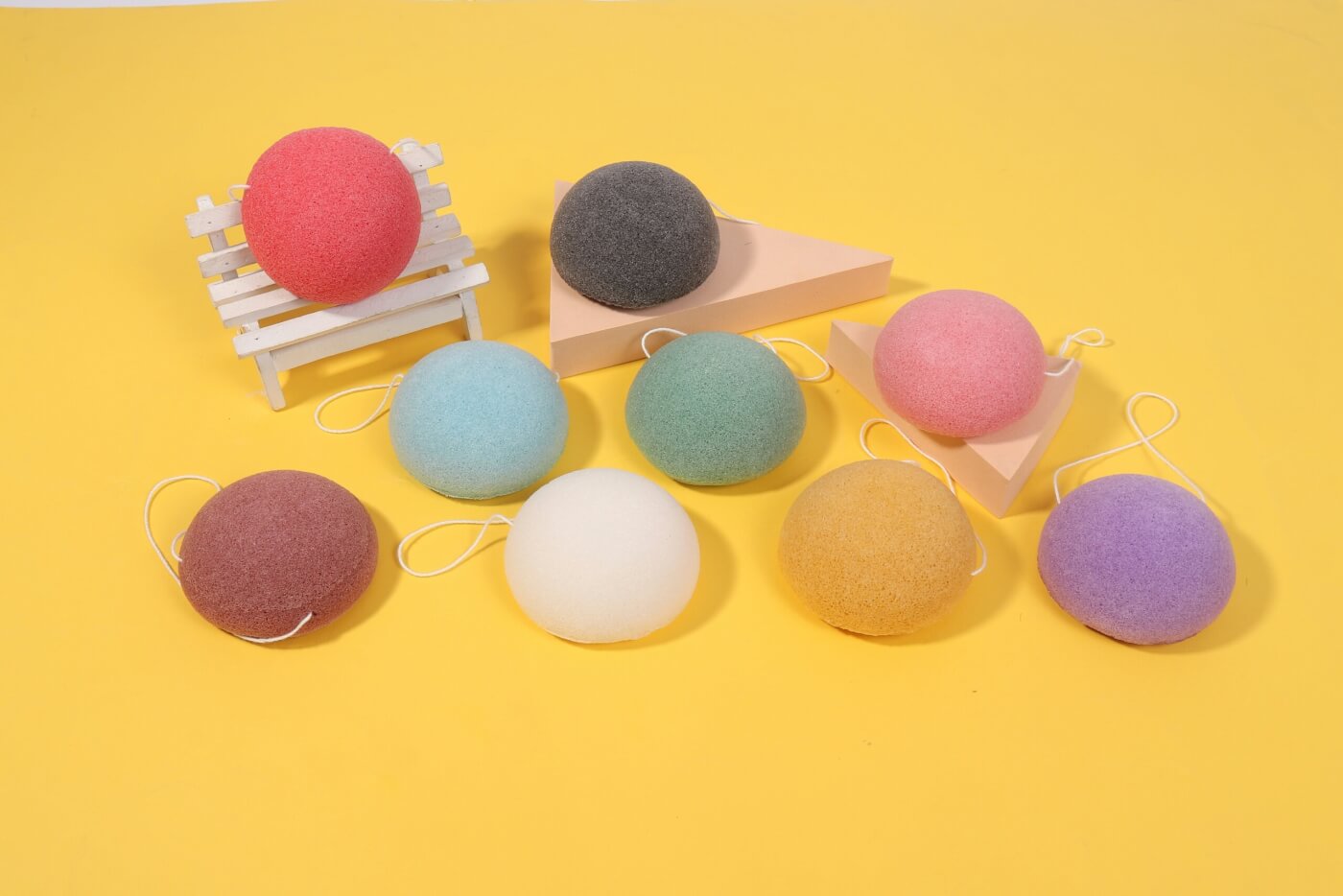
Konjac Sponges
- What is it? Made from the konjac root, a starchy tuber, these super-soft sponges are gentle on skin and popular in the beauty world.
- Why choose it? Konjac sponges are vegan, biodegradable, and ideal for even delicate skin.
- Grow one yourself! This tropical plant, also known as elephant yam, thrives in warm, humid climates. Gardeners in cooler regions can still enjoy it by growing the corm in summer and lifting it before the frost, much like you would with dahlias.
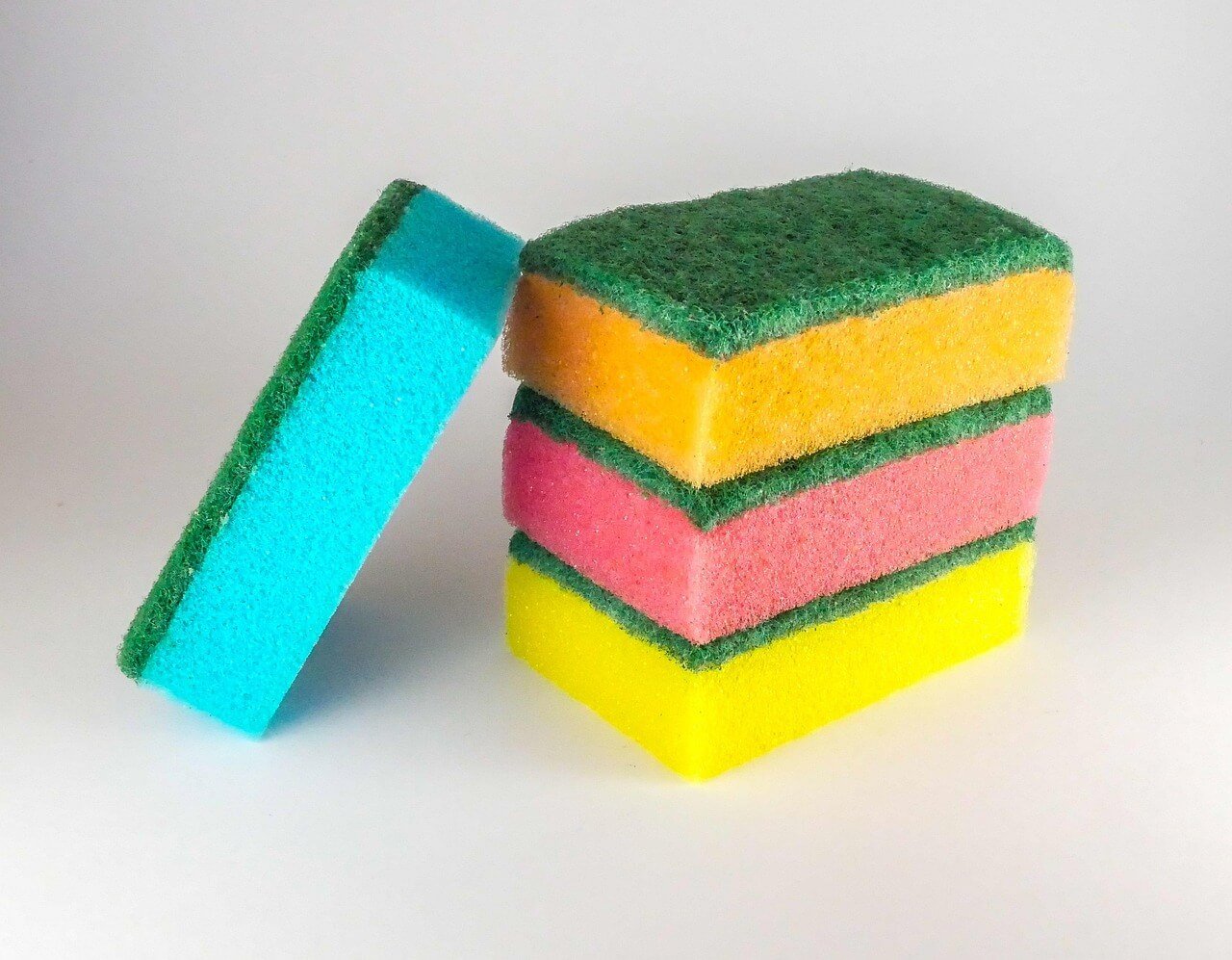
Cellulose (Wood‑Fiber) Sponges
- What is it? Made from wood pulp and sometimes hemp, cellulose sponges are often used as kitchen sponges.
- Why choose it? These natural sponges are compostable, absorbent, and plastic-free—rinse, dry well, and replace when worn.
Other Vegan Products
Coconut palm, sisal, jute, and bamboo fiber can all be woven into scrub pads or biodegradable sponges. Some eco-conscious brands even offer these in plastic-free packaging.
Always make sure you aren’t using anything from an animal for any products in your home. Whether it’s crushed beetles used for colorants or bull fat (“beef tallow”) in soaps and creams, it’s easy to avoid “ingredients” that come from pain and exploitation in the beauty industry.
Every time you buy an animal-free sponge or look for PETA’s cruelty-free logo, you send a message to companies that compassion is always fashionable.
Check out our animal ingredients list and PETA’s Ultimate Cruelty-Free List to find kind options.
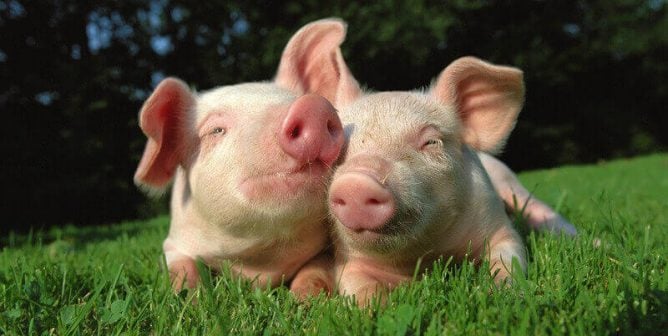
Text VEG to 73822 to get the latest vegan lifestyle tips, recipes, and urgent action alerts texted right to your phone.
Terms for automated texts/calls from PETA: https://peta.vg/txt. Text STOP to end, HELP for more info. Msg/data rates may apply. U.S. only.



Whether you’re lounging at home, running errands, or meeting up with friends, the Blondita x PETA Friends of Animals Club collection is the perfect fit!
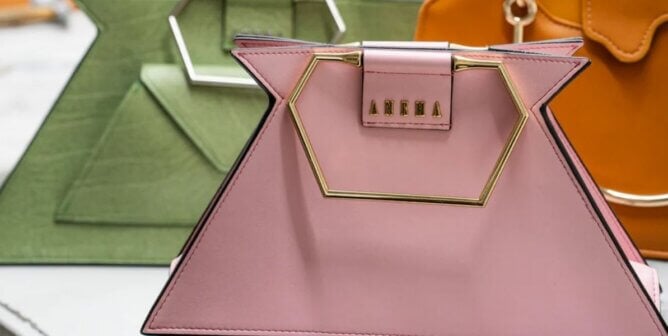
From orange peel to polished accessories, these Italy-made bags show what’s possible when fashion aligns with compassion.
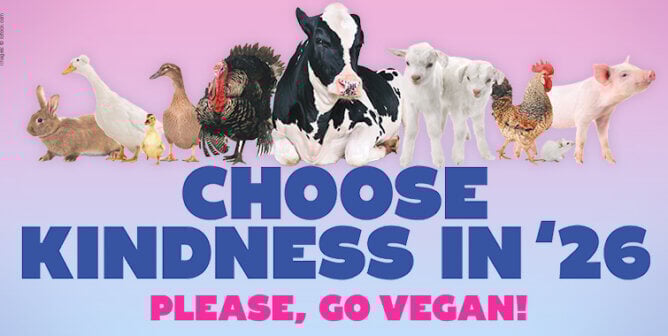
Ready to resolve to go vegan in the new year? Help animals, the planet, and your own health by following PETA’s pointers for a kinder 2026.

If you’ve ever asked yourself this question, read this.