
Buyer’s Remorse: What People Wish They Knew Before Purchasing Birds
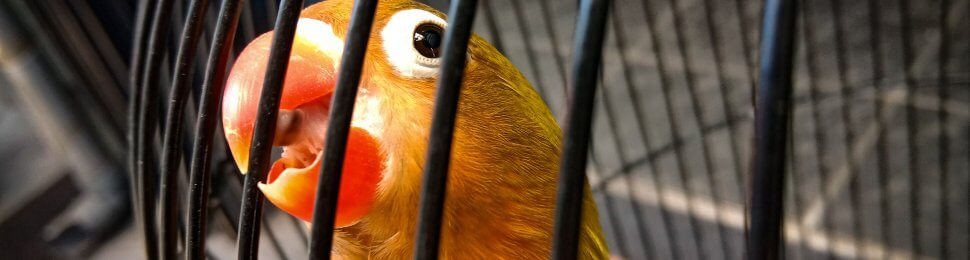
How hard is it to care for a bird? Imagine having wings to soar across endless skies, only to spend your life trapped behind metal bars. That’s the reality for birds kept as “pets”—loneliness, frustration, and despair.
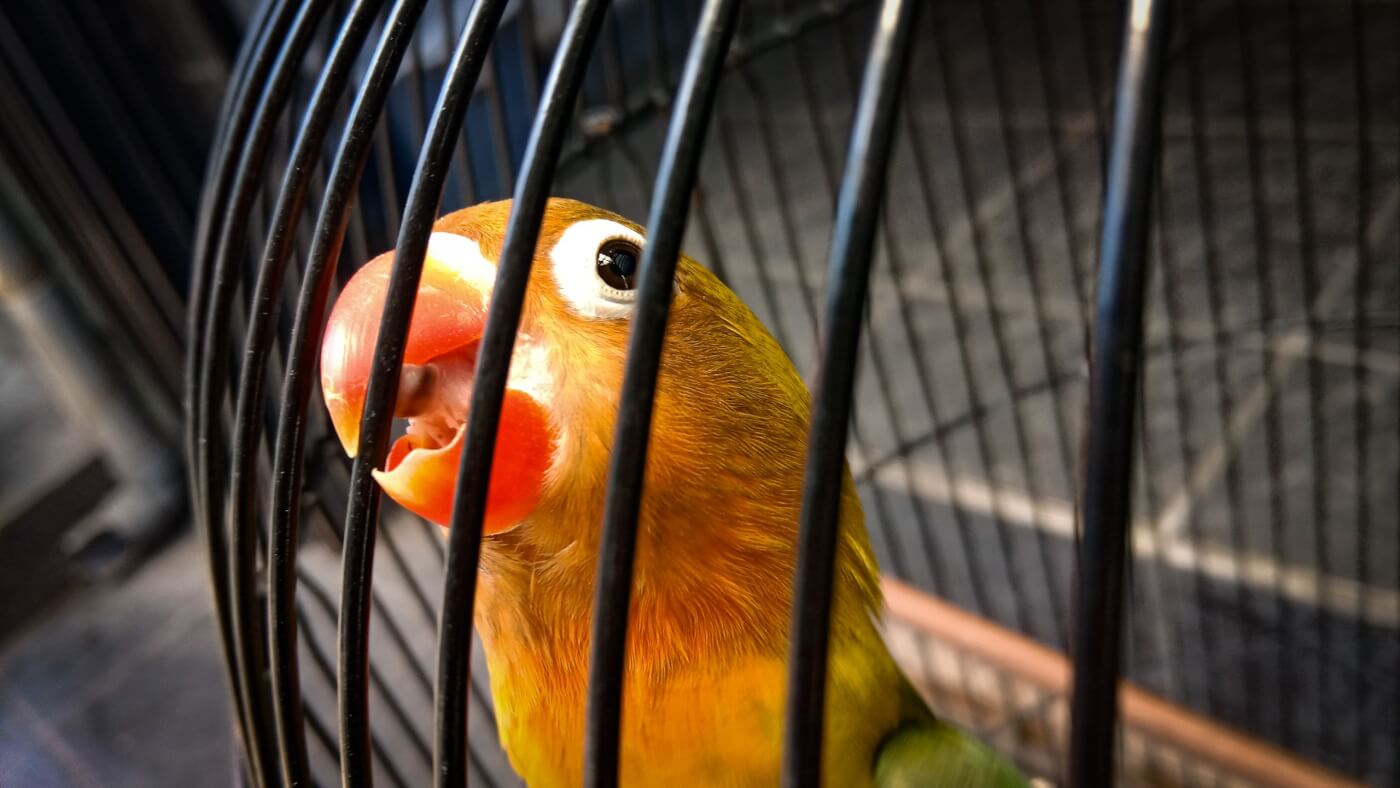
Birds are vibrant, social beings who fly for miles, bond with their flockmates, and share tender moments preening and raising their young. Captivity robs them of meaningful lives, leading to challenging behaviors and frustrated guardians.
Caring for a bird means much more than providing basic necessities like food and water—it requires a significant investment of time and an intricate understanding of these animals’ unique needs.
Nearly every bird confined to a cage was either captured from their home and family in nature—contributing to many species’ threatened status—or bred in a squalid breeding facility. Pet stores market these animals as cheap “starter pets,” sending buyers home with a tiny cage and a bag of birdseed. Deprivation causes many to lash out, screaming, biting, tearing out their feathers, throwing food, and chewing anything within reach. Unprepared buyers often discard the animals at shelters, contributing to the animal homelessness crisis.
If you’re thinking of getting a bird, here’s what you need to know first.
Wings Are Meant for Flying
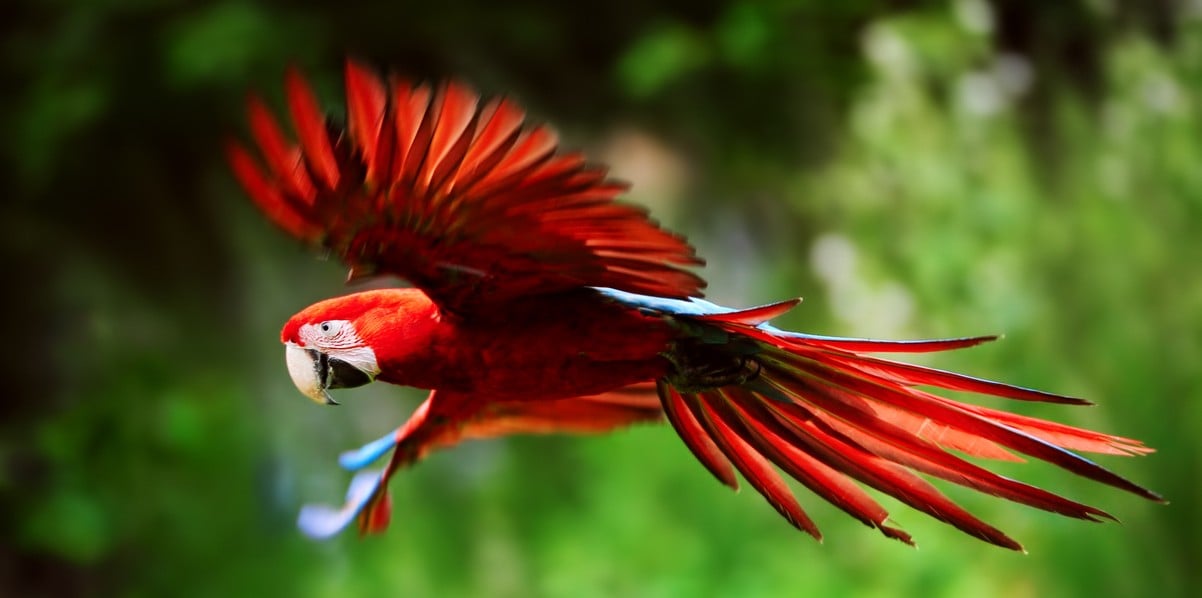
Flying isn’t just enjoyable for avians; it is essential to their health. Psychologists found that birds who are denied this basic right commonly suffer from PTSD. The parakeet cages recommended by Petco and PetSmart are 27 million times smaller than a parakeet’s range in nature. For exercise and stimulation, guardians must provide ample opportunities for flight.
Ideally, birds kept as companions need a large outdoor aviary. A secured, screened porch can provide space for some movement and help reduce destructive behaviors. During inclement weather and when guardians aren’t able to supervise, birds should have access to a large room with no dangerous obstacles such as ceiling fans, open toilet bowls, electrical wires, large glass windows, mirrors, toxic houseplants, or places where birds could become lodged, with a playstand or activity center.
Wing Clipping Is Abuse
You should never clip a bird’s wings! These cruel mutilations disable them and leave them unable to escape danger, leading to fear, anxiety, depression, and an increased risk of falls, muscle atrophy, obesity, cardiovascular disease, and other issues.
Everyone Needs a Good Friend
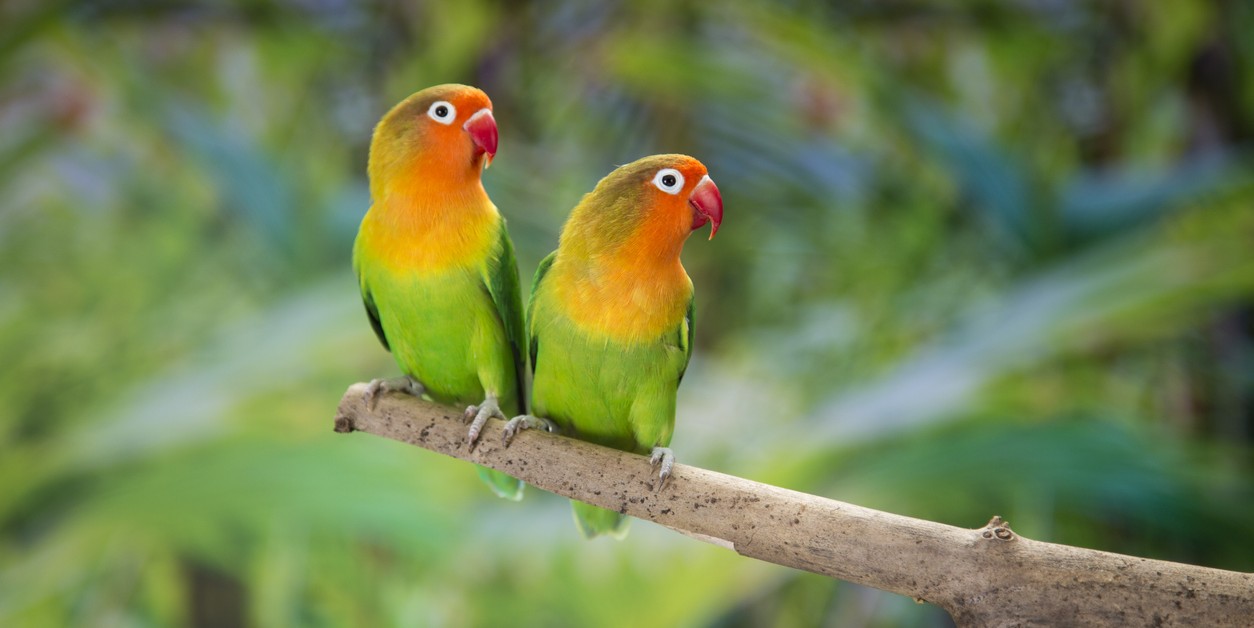
No captive home can replicate these animals’ rich social networks, but birds must at least live with a compatible companion of their own species. When alone, birds often scream and pull their own feathers out.
Birdseed Isn’t All It’s Cracked Up to Be
More than 90% of captive birds’ health issues can be attributed to malnutrition. Seeds alone do not provide the vitamins, minerals, and amino acids that their bodies require, so guardians have to provide high-quality pellet-based food along with fresh fruits and vegetables, grains, nuts, and cooked beans. Nutritional needs vary by species, so thorough research is imperative. Dishes and the cage must be thoroughly cleaned every day.
Hidden Hazards
Captive birds are highly susceptible to respiratory problems caused by bacteria, viruses, fungi, parasites, and even common household cleansers. Nonstick cookware and self-cleaning ovens emit fumes that kill birds. Bleach, strong cleaners, aerosols, air fresheners, scented candles, incense, insecticides, cigarette smoke, and vapes can also damage their delicate respiratory systems and must never be used.
To help birds stay clean, they must have a birdbath and may want to be gently misted with a spray bottle.
Guardians must also plan to provide a dark, quiet environment away from household noises where birds can rest throughout the evening and night for up to 12 hours.
The High Cost of Health Care
Birds require routine veterinary care, but exotic animal specialists aren’t available in every area, meaning guardians may have to travel farther, and visits can cost twice as much. After-hours emergency clinics are often unable to treat birds, and the one nearest to you may be hours away.
If You Admire Birds, Let Them Fly Free
Even the most experienced, caring adopters can’t provide the two things most vital to birds’ health and happiness: the freedom of flight and the closeness of a flock. If you appreciate the beauty, intelligence, resourcefulness, and devotion of birds, consider taking up birdwatching to observe their fascinating lives and interactions. Stream documentaries and watch wildlife cameras in national refuges.
Spread the word! Let them spread their wings—never buy birds.
Text VEG to 73822 to get the latest vegan lifestyle tips, recipes, and urgent action alerts texted right to your phone.
Terms for automated texts/calls from PETA: https://peta.vg/txt. Text STOP to end, HELP for more info. Msg/data rates may apply. U.S. only.



The comedy legend transforms into your “two-pack-a-day Aunt Doris” to call out a greedy industry.
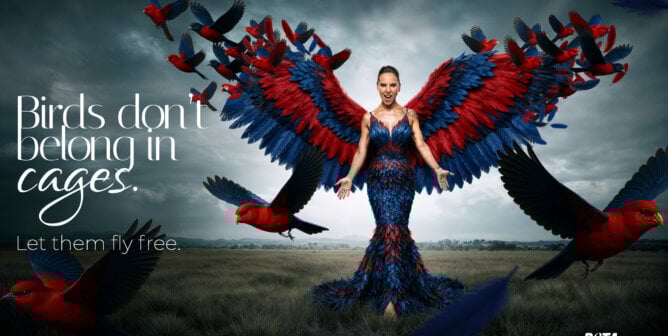
The internationally renowned actor is flying in with an important message.

Tracy from the video game ‘Mewgenics’ knows cats aren’t inventory or commodities—they’re individuals who deserve safe, loving homes.

Liora’s PETA case sheet is filled with notes like, “Such a sweet girl!” The words that came to fieldworkers’ minds, though, when they found her with an embedded collar … those are NSFW.

