

Talk About ‘Purrly’ Whites! The Guide to Companion Cat Dental Care
Just like humans, cats need good oral hygiene to stay healthy and comfortable. Yet dental care is an often-overlooked part of feline health—even though most cats over the age of 3 show signs of gum disease. Plaque and tartar buildup can lead to painful infections, tooth loss, and even problems affecting the heart or kidneys. The good news? With a little regular care, you can help keep your cat’s teeth clean, their gums healthy, and their breath fresh. Here’s how to make dental care a simple (and stress-free) part of your cat’s routine. Got questions? We’ve got answers!
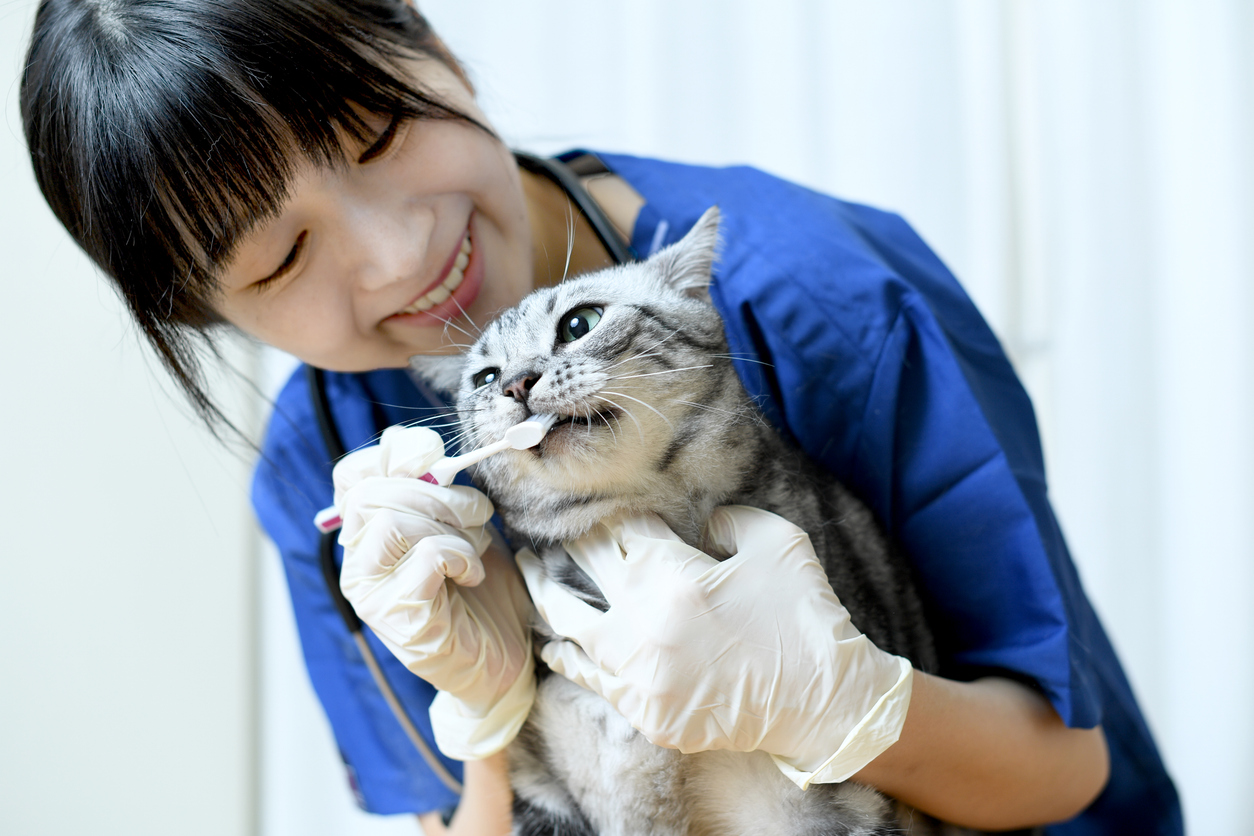
How Often Should I Brush My Cat’s Teeth?
Veterinarians recommend brushing your cat’s teeth at least three times a week, but ideally every day. Try to make brushing part of your cat’s daily routine—perhaps right after you brush your teeth! Regular brushing is the single most effective way to prevent plaque and tartar buildup, which can lead to painful gum disease.
If you’ve just adopted a cat or your feline friend isn’t used to having their mouth handled, don’t worry—you don’t have to start with a full brushing session right away. Here are some tips for getting started:
- Begin slowly by dabbing your finger with cat-friendly toothpaste and letting them sniff/ lick it. You may have to try a few different ones to find a flavor that your cat likes.
- Once your cat accepts the paste, use your finger to gently run it along their teeth.
- When they get used to this (it may take several days—be patient!), try doing the same thing using a soft toothbrush designed for cats’ gums and teeth, and make small, gentle circles along the gum line.
- Be sure to provide lots of praise throughout, and reward them with a treat, playtime, or some cuddles afterward so that brushing is associated with a pleasant experience.
What Toothpaste Should I Use?
You’ll need to find a toothpaste specifically designed for cats, as human toothpaste can upset their tummies or contain ingredients that are toxic to them. Oxyfresh’s Premium Pet Toothpaste is a top choice for many cat guardians.
What Other Ways Can I Keep My Cat’s Teeth Strong and Healthy?
Brushing is the gold standard for dental care, but it’s not the only way to support your cat’s oral health. A combination of dental-friendly treats and chew toys can help keep plaque at bay and gums strong.
While cats aren’t big chewers like dogs, dental treats can still make a difference. Try and find treats that don’t contain animal-based ingredients, like Vecado’s Pumpkin Cat Treats—these also help with digestion and reducing inflammation, providing extra health benefits!
Certain toys can provide extra teeth-cleaning action while keeping your cat entertained. When choosing toys, look for ones made from durable, natural, and bite-safe materials, such as dental mesh fabric. Avoid toys with loose strings, small pieces, or other parts that could be a choking or ingestion hazard.
Remember to supervise your cat while they’re using chew toys. Excessive chewing can sometimes signal discomfort or dental pain, so keep an eye out for changes in behavior. Make sure any toy or chew you offer is labeled safe for cats and doesn’t contain ingredients they’re sensitive or allergic to.
How Often Are Dental Checkups Needed?
Even with regular brushing and at-home care, your cat still needs professional dental care. Most veterinarians recommend a dental exam at least once a year, usually during your cat’s annual wellness visit. This allows your veterinarian to spot early signs of gum disease or other issues that may not be visible at home.
Some cats—especially seniors or breeds prone to dental problems—may need checkups every six months. Your veterinarian can also advise when it’s time for a professional cleaning.
These recommendations are just for routine checkups. If you notice any warning signs of dental issues (below), call your veterinarian and make an appointment as soon as possible.
What Are the Signs of Dental Disease?
- Yellow or brown tartar buildup along the gumline
- Red, swollen, or bleeding gums (they may also appear receded or tender)
- Persistent bad breath that doesn’t improve with brushing or diet changes
- Excessive drooling or saliva that seems thicker than usual
- Difficulty eating, chewing only on one side, or taking longer to finish meals
- Pawing at the mouth or face or yelping when they yawn as if something is bothering them
- Broken or loose teeth, which can signal infection or decay
What Are Some Common Dental Diseases in Cats?
- Gingivitis: This is the earliest stage of gum disease, caused by plaque buildup along the gumline. Regular brushing and dental checkups can usually reverse gingivitis before it progresses.
- Periodontal Disease: If gingivitis isn’t treated, it can advance into periodontal disease—an infection that affects the tissues and bone supporting the teeth. This stage can cause pain, tooth loss, and difficulty eating. Professional cleanings and consistent dental care at home are essential to prevent it.
- Stomatitis: Feline stomatitis is a severe, painful inflammation of the mouth that may affect the gums, tongue, and throat. It’s thought to be an immune reaction to dental plaque, and it often requires veterinary treatment, such as extractions or medication, to manage the pain and inflammation.
- Tooth Resorption: This condition occurs when a cat’s body begins breaking down the structure of a tooth from the inside out. It’s one of the most common and painful dental diseases in cats, often going unnoticed until advanced stages. Signs include drooling, difficulty eating, or sudden avoidance of hard food. Only a veterinarian can diagnose and treat tooth resorption—usually through X-rays and extraction of affected teeth.
Can My Cat Still Have Dental Problems If I Take Good Care of Their Teeth?
Yes. Just like humans, some cats are genetically predisposed to gum disease or other oral conditions, no matter how well they’re cared for.
If your veterinarian finds ongoing inflammation, infection, or tooth resorption, they may recommend removing one or more teeth under anesthesia. While that can sound alarming, it’s actually a very common and safe procedure that can drastically improve your cat’s comfort and quality of life.
(Keep in mind: Dental cleanings can be expensive—typically costing over $1,000, since they require anesthesia—so it’s helpful to establish a separate savings fund to squirrel away cash over time with the understanding that your cat will eventually need one. The bill can climb even higher if multiple extractions are needed, so it’s always best to be prepared!)
Cats adapt remarkably well after dental surgery—even those who lose many or all of their teeth often go on to eat, play, and live happily without pain. The best thing you can do is follow your veterinarian’s advice and continue your regular at-home dental care routine.
Want More Companion Care Tips? We’ve Got Plenty!
Dental hygiene is one of the many things to consider before adopting a companion animal. It’s also important to provide your cat with plenty of at-home enrichment, nutritious food, fresh water, a clean litter box, veterinary care, and, most importantly, affection and love.
To learn more, check out PETA’s tips for companion cat care and Ingrid Newkirk’s 250 Vital Things You Cat Wants You to Know.

Text VEG to 73822 to get the latest vegan lifestyle tips, recipes, and urgent action alerts texted right to your phone.
Terms for automated texts/calls from PETA: https://peta.vg/txt. Text STOP to end, HELP for more info. Msg/data rates may apply. U.S. only.



Meet Liora, the sweet-spirited dog who went from living life at the end of a chain to a safe home.

Whether you’re lounging at home, running errands, or meeting up with friends, the Blondita x PETA Friends of Animals Club collection is the perfect fit!

The comedy legend transforms into your “two-pack-a-day Aunt Doris” to call out a greedy industry.

The internationally renowned actor is flying in with an important message.