What PETA REALLY Stands For
“PETA” is an abbreviation for “People for the Ethical Treatment of Animals.” But what does that really mean?
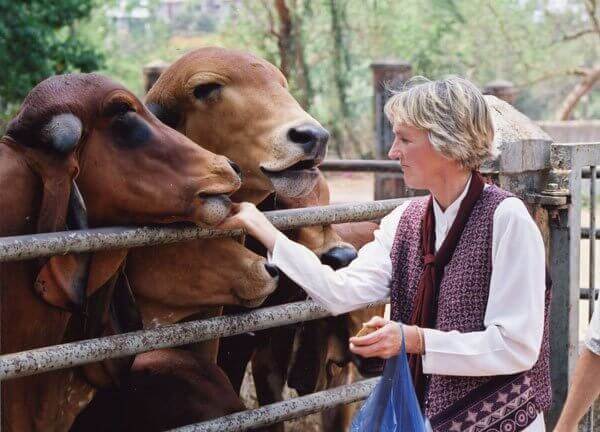
People
I am you, only different.
Humans create temporary and arbitrary boundaries to exclude individuals who aren’t like them. Humans have justified wars, slavery, sexual violence, and military conquests through the mistaken belief that those who are “different” do not experience suffering and are not worthy of moral consideration.
These boundaries shift throughout history, and we’re horrified now to recall the abuse inflicted on others once classified as outsiders: the extermination of Jewish people by the Nazis, the enslavement of African people by American plantation owners, and the slaughter of Christian people for entertainment by Roman centurions. Laws now forbid discrimination based on gender, race, religion, ability, age, and sexual orientation. Yet just a century ago, humans who were seen as different by those with power faced torture, exploitation, and death.
Sometimes, those in power disingenuously claimed that young or dark-skinned humans couldn’t feel pain. Sometimes, the powerful have claimed that divine power granted their superiority. Our society no longer believes that any human has the right to rape, torture, or enslave another human being for any reason. We accept that all humans share a fundamental worth and celebrate our differences.
Ethical
Do unto others as you would have them do unto you.
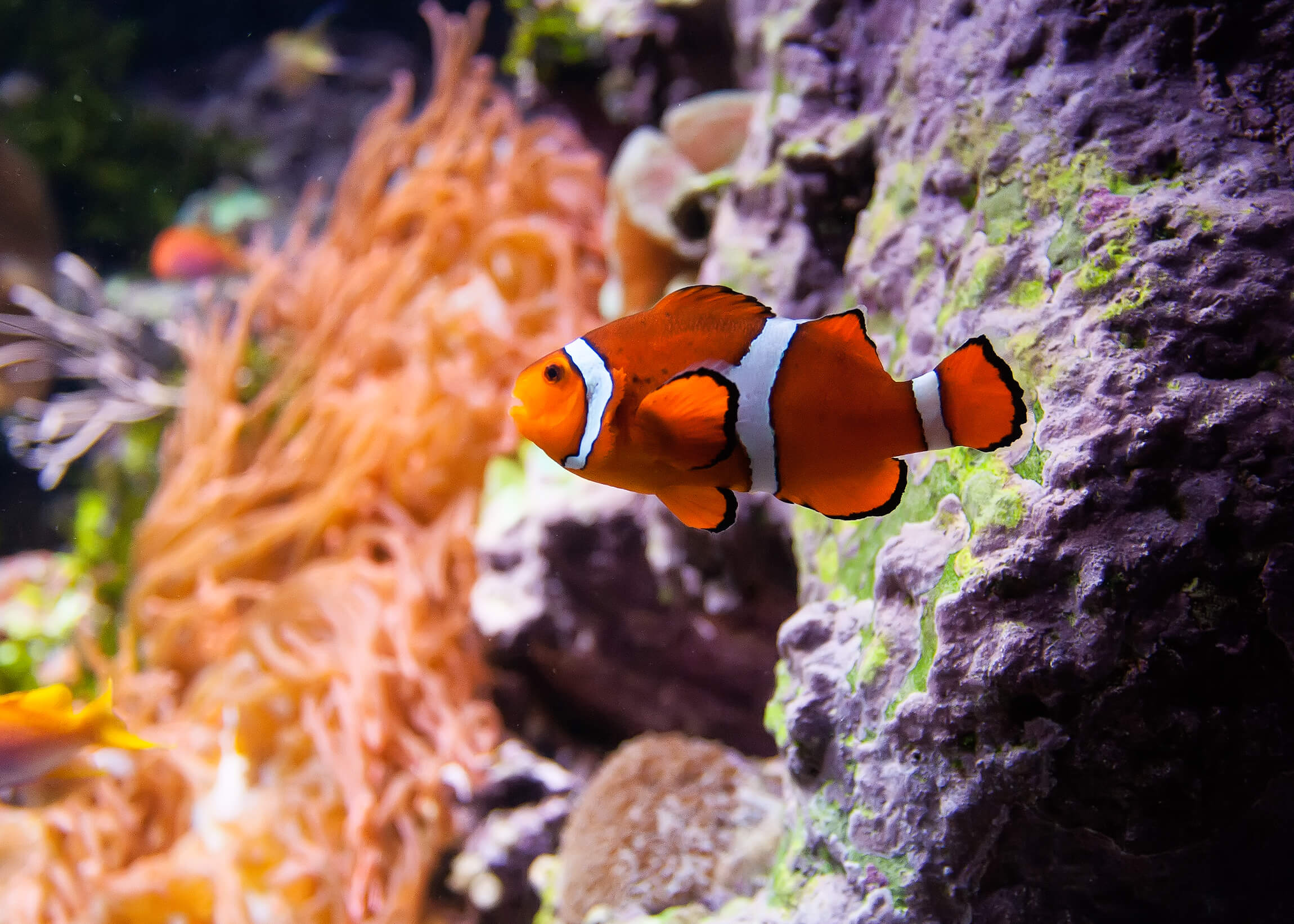
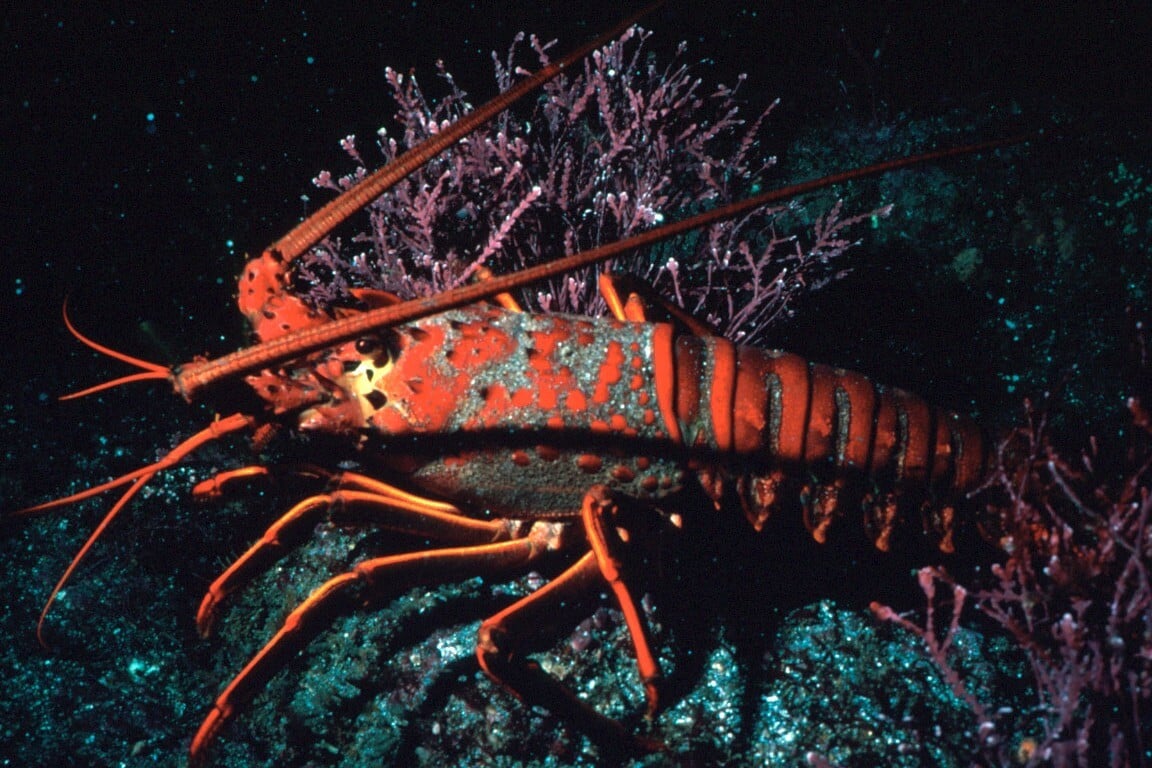
As children, we are taught the Golden Rule, and all major religions teach principles of nonviolence and kindness. Ethical treatment—the Golden Rule—must apply to all living beings: humans, dogs, reptiles, cows, fish, insects, birds, amphibians, and crustaceans.
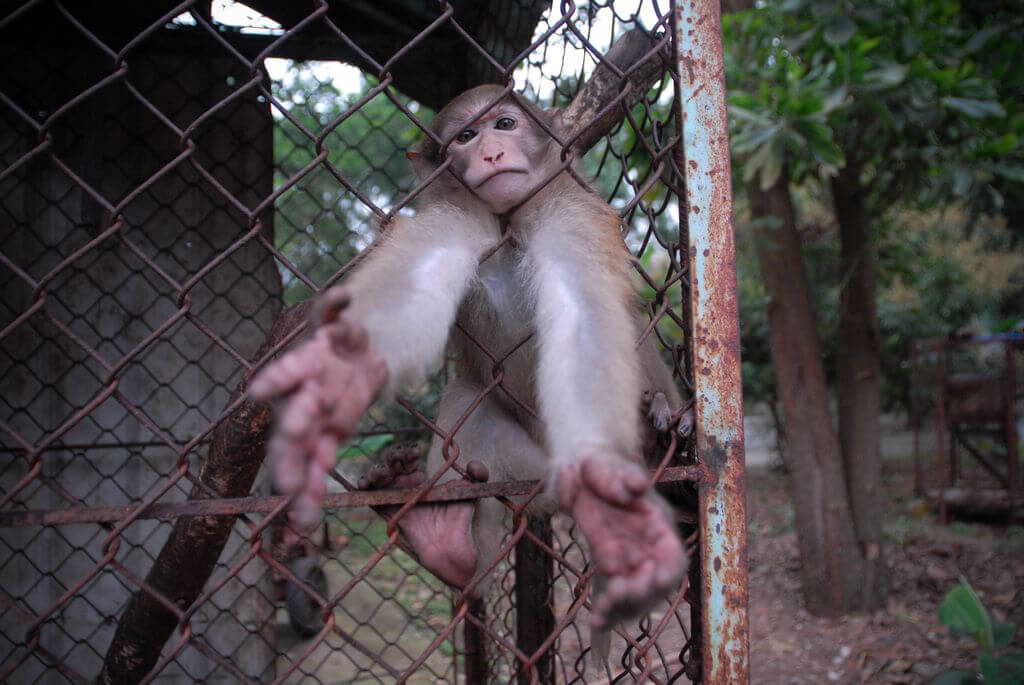
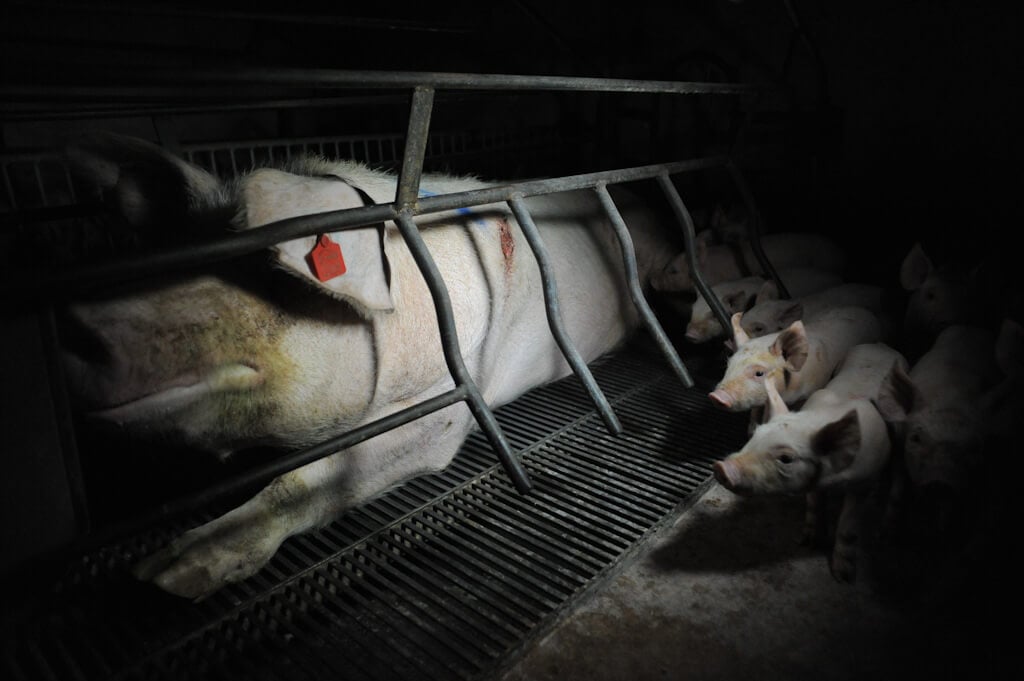
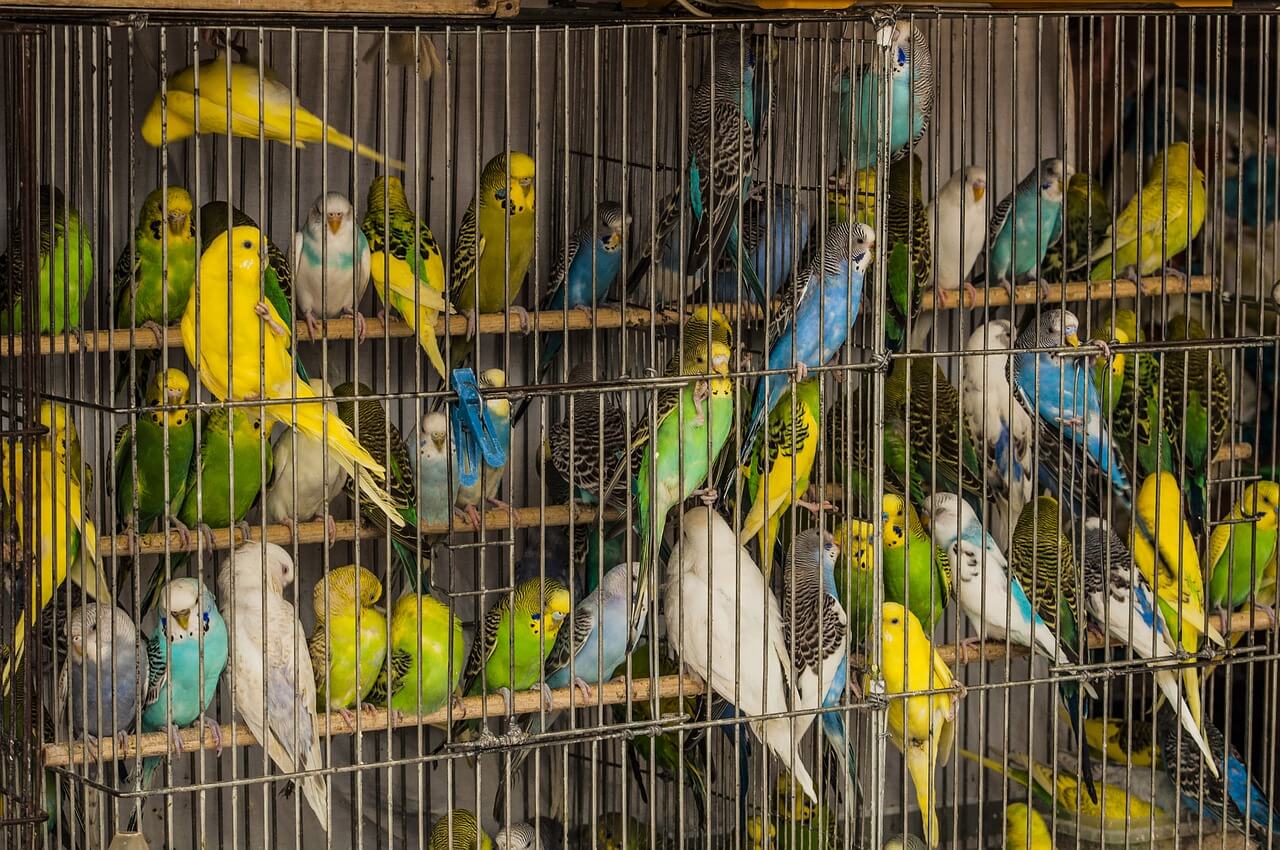
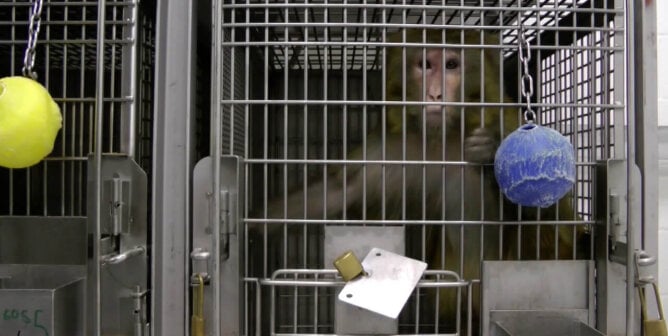
Would we imprison our children in cages? Would we violate our sisters and steal their babies? Would we deliberately infect our friends with diseases and leave them untreated? If the answer is no, then how can we countenance inflicting such horrors on our fellow animals? Our species must abandon the archaic and incorrect boundary of “human,” which is used to justify the ongoing massacre of billions of individuals.
More than 150 years ago, Charles Darwin showed that all animals share the desire to live. We all feel pain, joy, grief, and pleasure. We all have value.
Treatment
Animals are not ours to experiment on, eat, wear, use for entertainment, or abuse in any other way.
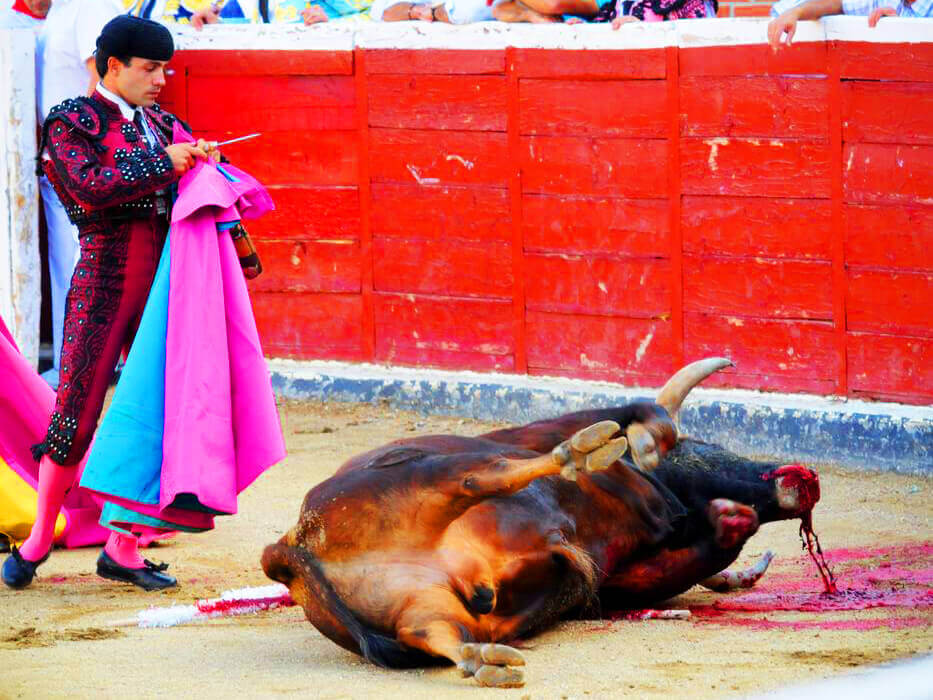
All animals desire the freedom to live a natural life, according to their inherent desires and instincts. While the lives of all beings necessarily involve some amount of suffering, humans must stop deliberately inflicting suffering on other individuals for our own selfish desires. We lose nothing by replacing a cheeseburger with a veggie burger or a leather purse with a fabric one. But exploited individuals lose their lives just for fleeting human whims.
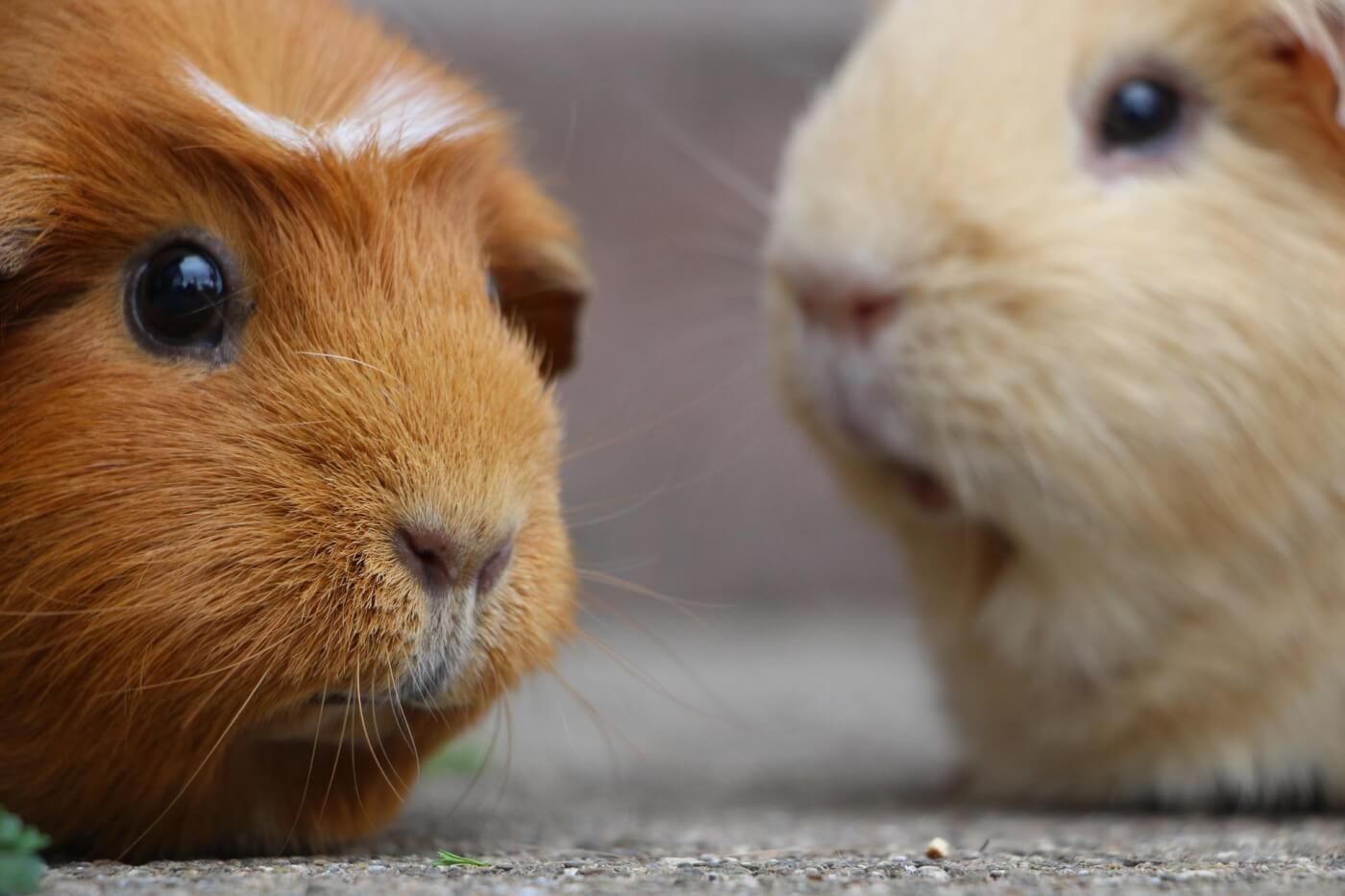
We are taught from an early age to discriminate. We become habituated to eating the flesh of some, ignoring the cries of others, and cuddling with a select few. Most people grow up confused—as adults, most of us feel sick and sad when we witness the torture and slaughter of other living beings, yet most continue to purchase the flesh, secretions, and skin of other animals throughout their lives. They work hard to deceive themselves and those around them to maintain the illusion of a real boundary around “human.”
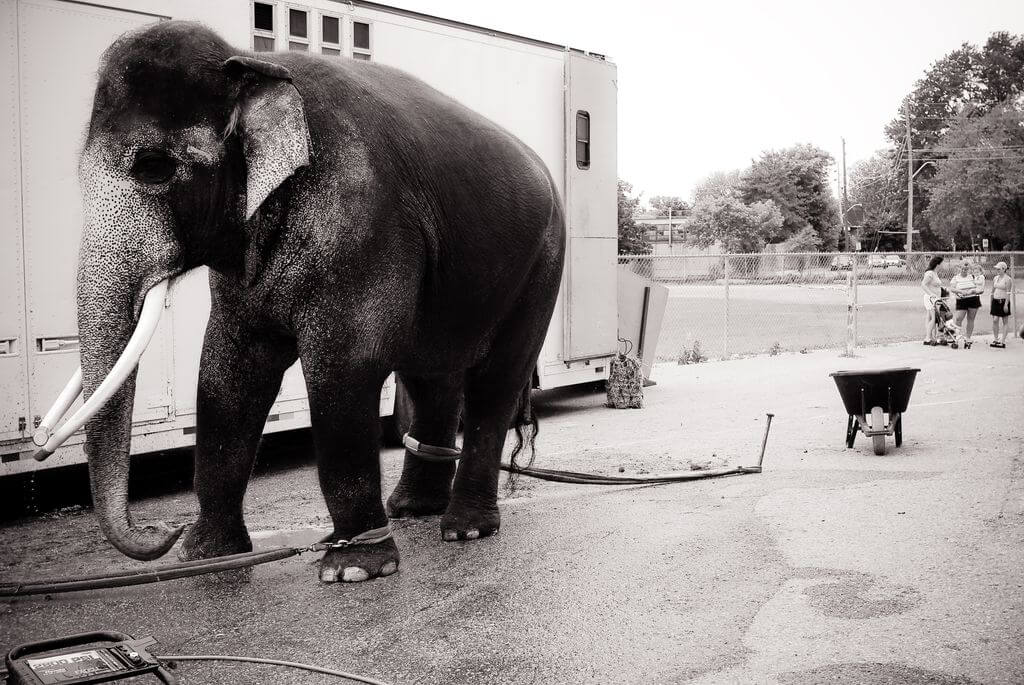
The predictions of economic collapse, the defiant claims of “inherent rights,” and the stubborn refusal to change behavior—these tired ploys have been witnessed and overcome many times before. Every time a boundary shifts, the suffragists or the abolitionists or the emancipators are at first ridiculed and belittled for their stance of equal consideration. Eventually, though, the lies are exposed, and freedom is won—for women, Black people, Christians, gay people, Asian people, the Irish, Catholics, Jews, and so on. Let freedom and justice now include all sentient beings.
Animals
We are all animals.
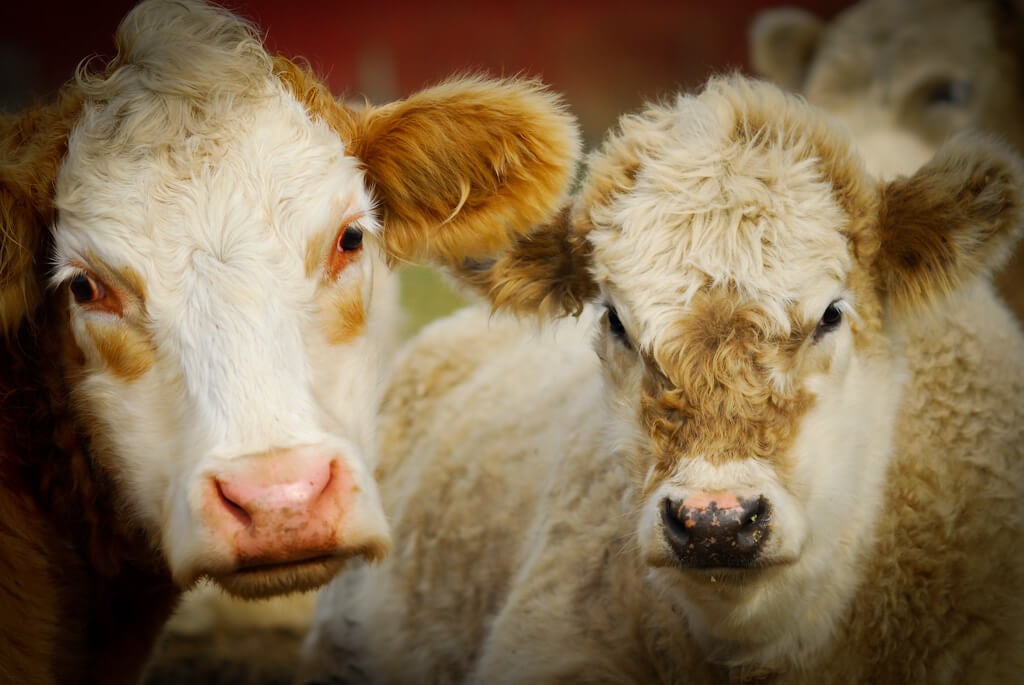
Humans have few, if any, unique capabilities. Many beings communicate in sophisticated ways, enjoy complex social bonds, sacrifice pleasure for the good of others, use tools, imagine, and dream. Many beings remember information, play with friends, enjoy intimacy, gossip, and mourn their deceased. Some beings have enormous capabilities beyond our own—in navigation, endurance, communication, and detection of natural phenomena. We don’t yet fully understand how all beings think—or what they think—but dismissing their inner lives as less developed, rational, moral, or intelligent than our own is not just wrong. It’s a grave mistake.

Regardless of their capabilities, no living being deserves to be abused. We know that it’s wrong to torture infants and disabled humans who don’t have the same abilities as adults. In the same way, all sentient beings deserve liberty and respect, not because they share the characteristics we admire in ourselves but because they are living, feeling beings. We share the same evolutionary origins, we inhabit the same Earth, and we are governed by the same laws of nature. In many fundamental ways, we are all the same.
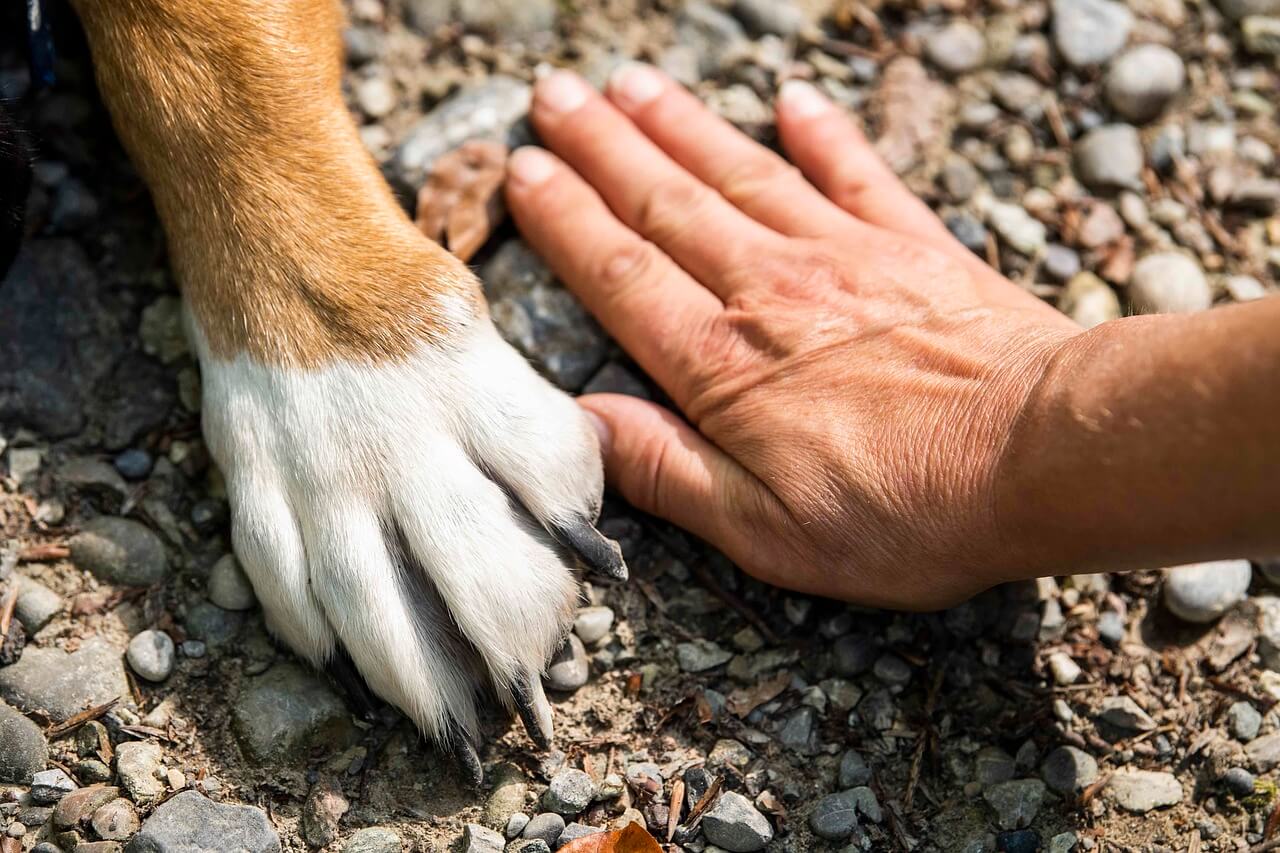
If we reject arbitrary boundaries and believe that every living being deserves respect, then our actions must reflect that belief. Going vegan is one of the clearest ways to put those values into practice every day. Order PETA’s free vegan starter kit for recipes, tips, and practical guidance to help you get started:
Send Me a Vegan Starter Kit
By submitting this form, you’re acknowledging that you have read and agree to our privacy policy and agree to receive e-mails from us.

With the rise of alpha-gal syndrome in Martha’s Vineyard—often linked to meat and dairy allergies—PETA’s “Lone Star Tick Cookbook” is here to help!
A supposed leader of the primate center is caught for the second time failing to follow basic directions like “READ THE LABEL.” Help PETA see that she faces consequences.
They were handcuffed for defending bulls. Now they’re free—and the movement to end bullfighting just got stronger.