
Kids Are Getting Injured During Touch Pool Encounters
“Touch pools” are just as disgusting as they sound: small, shallow prisons that give marine animals no escape and no choice but to be grabbed, poked, and prodded by a constant barrage of human hands. No one would choose to be trapped, confused, nervous, and powerless to stop whatever an approaching stranger wants to do to them—our fellow animals included.
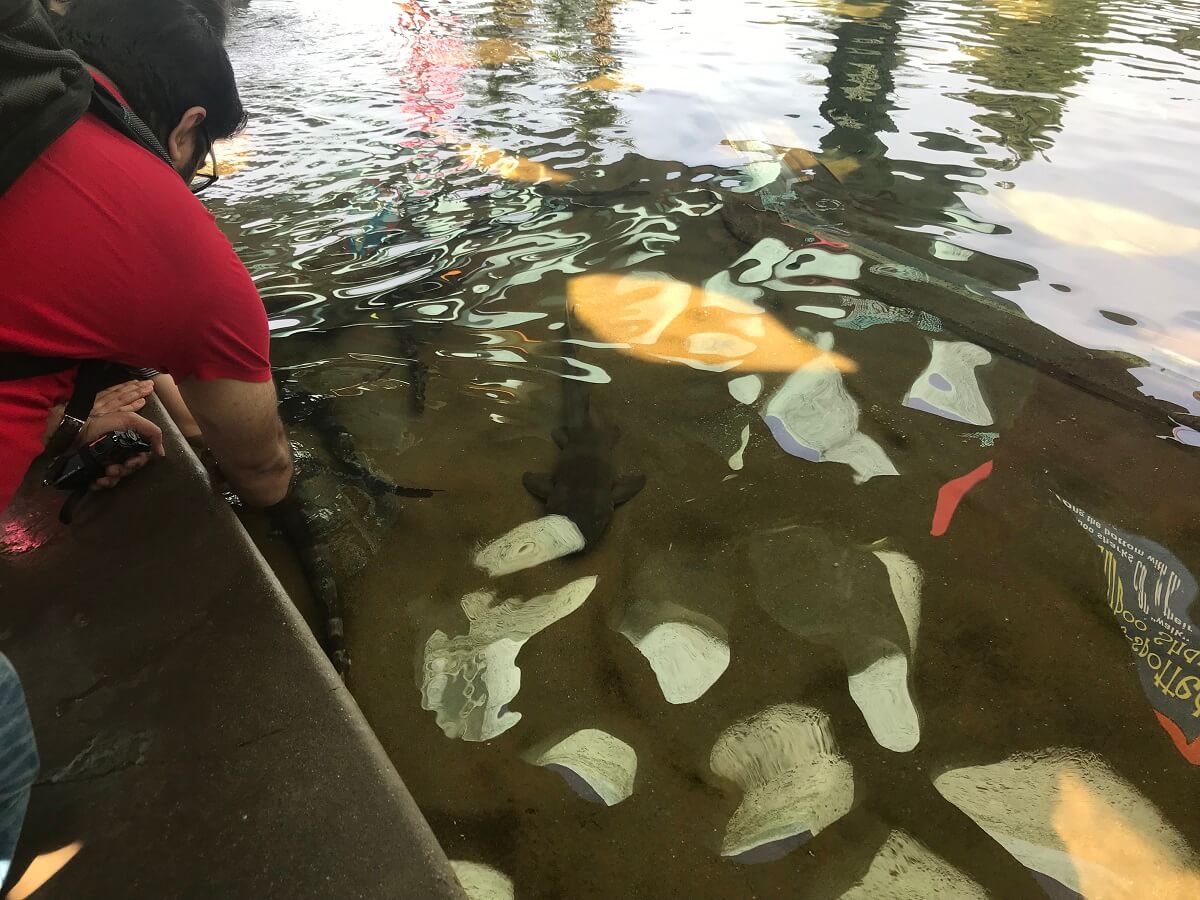
Suffering on Display
Fish and rays have a natural mucous coating on their skin that protects them from parasites. Human touch can wear down that barrier, leaving them vulnerable. When marine parks like SeaWorld or mall aquariums like SeaQuest’s successors cram animals into touch pools, bacteria from human hands contaminate the tank, which can be dangerous to the fish inside. Their health is further compromised when they’re unable to engage in their natural behavior. In nature, they would swim freely, dive, socialize, forage, and flee or hide when they sense danger. In captivity, those choices are taken from them.
Aquatic animals used for these exhibits are often forced to spend their entire lives there, swimming in cramped laps. They’re subjected to loud noises, shouting crowds, and foreign and potentially dangerous foods, drinks, and other objects being dropped into their enclosures.
Stingrays’ barb tissue is commonly clipped every few weeks, which places them at risk for infection or greater injury.
Captive Animals Die Prematurely
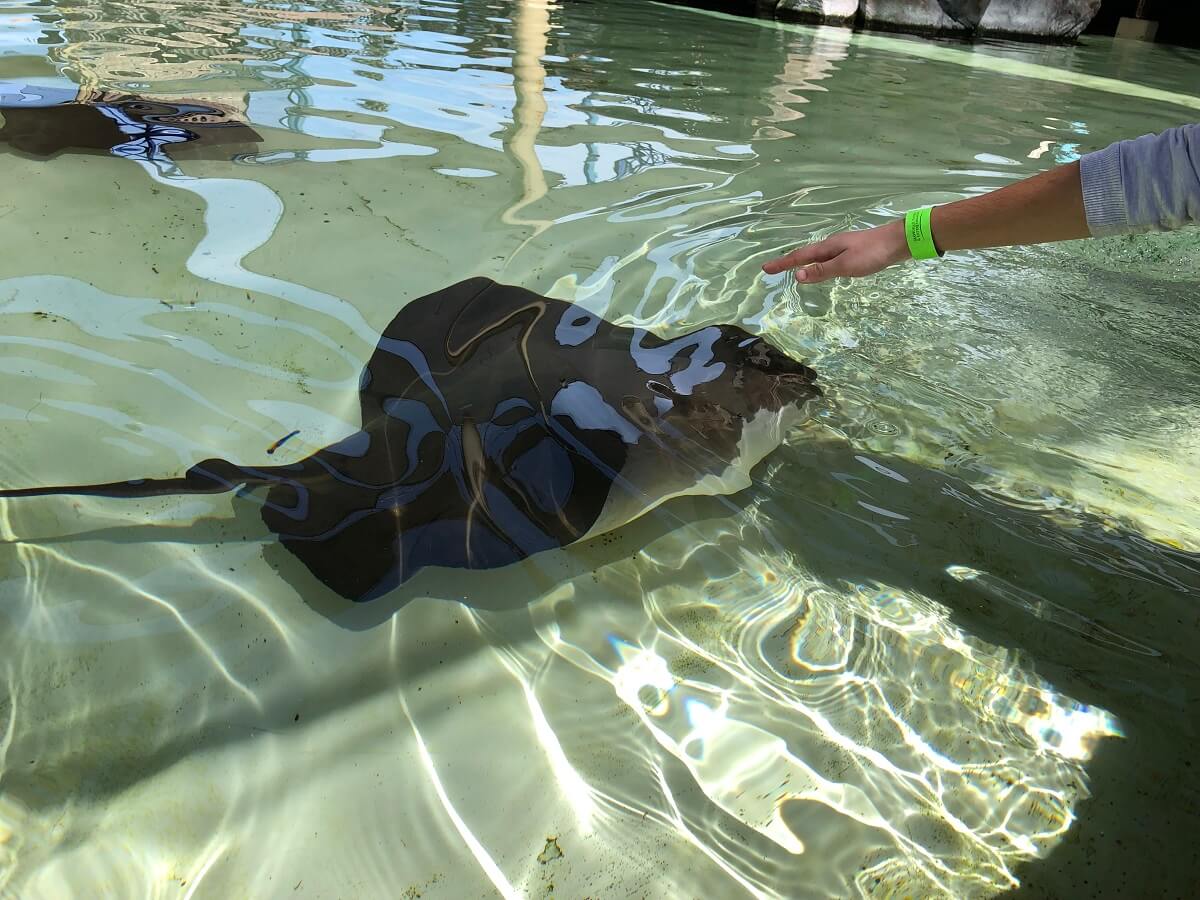
Within a month of SeaQuest’s grand opening in Folsom, California, a stingray died. The animal was found dead in a touch pool by a visitor—not an employee—who noticed him or her lying lifeless, partially buried under sand. In addition, hundreds of fish died while in transport to SeaQuest Littleton in Colorado, and former employees at SeaQuest Las Vegas allege that hundreds of animals have died there.
These enclosures continually prove to be among the deadliest artificial environments for animals.
Touch Pools Also Put Children at Risk: 5 of the Worst Incidents
Child Suffers Bruising After Octopus Interaction in San Antonio
Britney Taryn and her six-year-old son visited the San Antonio Aquarium in July 2025 and partook in an octopus encounter. The octopus grabbed onto the child and would not let go. It took three adult staff members several minutes to remove the octopus. Her tentacles left the boy with dozens of bruises from his wrist all the way up to his armpit.
Octopuses have long-term memories, use tools, and learn through observation. Yet, San Antonio Aquarium and other marine animal petting zoos confine them in dismal, cramped enclosures. This facility has been hit with numerous citations by the U.S. Department of Agriculture (USDA) for inadequate animal care, improper maintenance, and injuries to members of the public.
Stingray Lodges Barb in Employee’s Hand at SeaQuest Littleton’s Touch Pools
A stingray stung an employee, and their barb lodged in the employee’s hand. Stingray barbs are venomous and can cause:
- Intense pain
- Nausea
- Weakness
- Fainting
Fish ‘Shredded’ Toddler’s Hand at SeaQuest Folsom
An arowana fish reportedly badly bit a toddler’s hand at SeaQuest Folsom, now NorCal Aquarium & Wildlife. In a post on Facebook, the mother explained it was their first visit to the aquarium, and employees encouraged her daughter to play in the pools and feed the fish. At the last pool, the child was reportedly out of food to feed the fish, but splashed her hand lightly in the water. According to the mother’s post, “… it happened SO FAST. A fish lunged up … Harper’s hand [was] full of blood and shredded with tiny tooth marks.”
An Eel Bit a Woman at a New Jersey Touch Pool
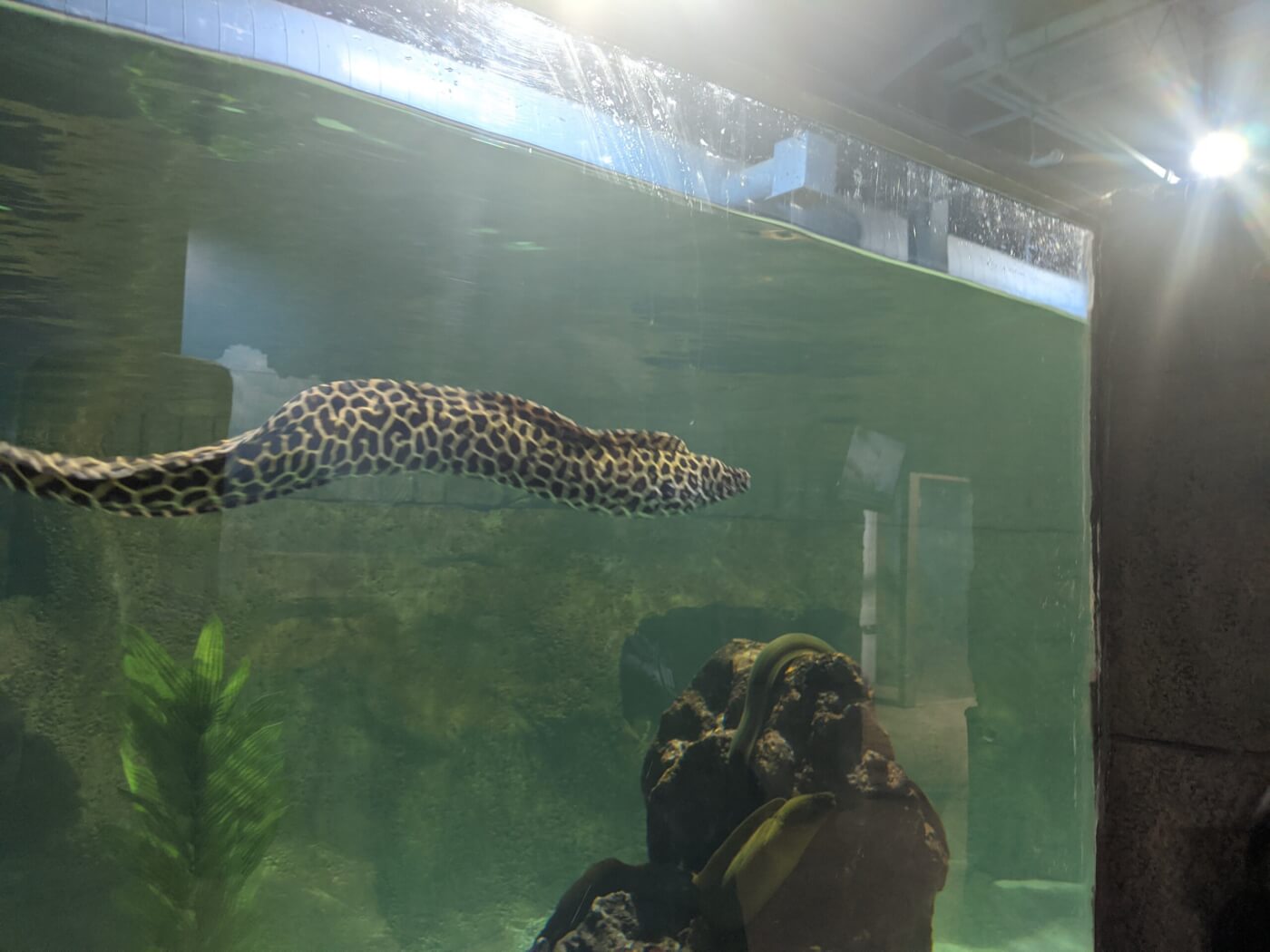
A woman fainted after an eel bit her finger at the now-defunct SeaQuest Woodbridge aquarium.
Aquarium Visitors Forced to Point Out Dead Animals in Touch Pools to Employees
Before the facility declared bankruptcy, another visitor to the former SeaQuest Folsom location alerted employees to a reportedly dead and decomposing stingray in a touch pool. The visitor explained that kids were “still touching” the animal’s corpse.
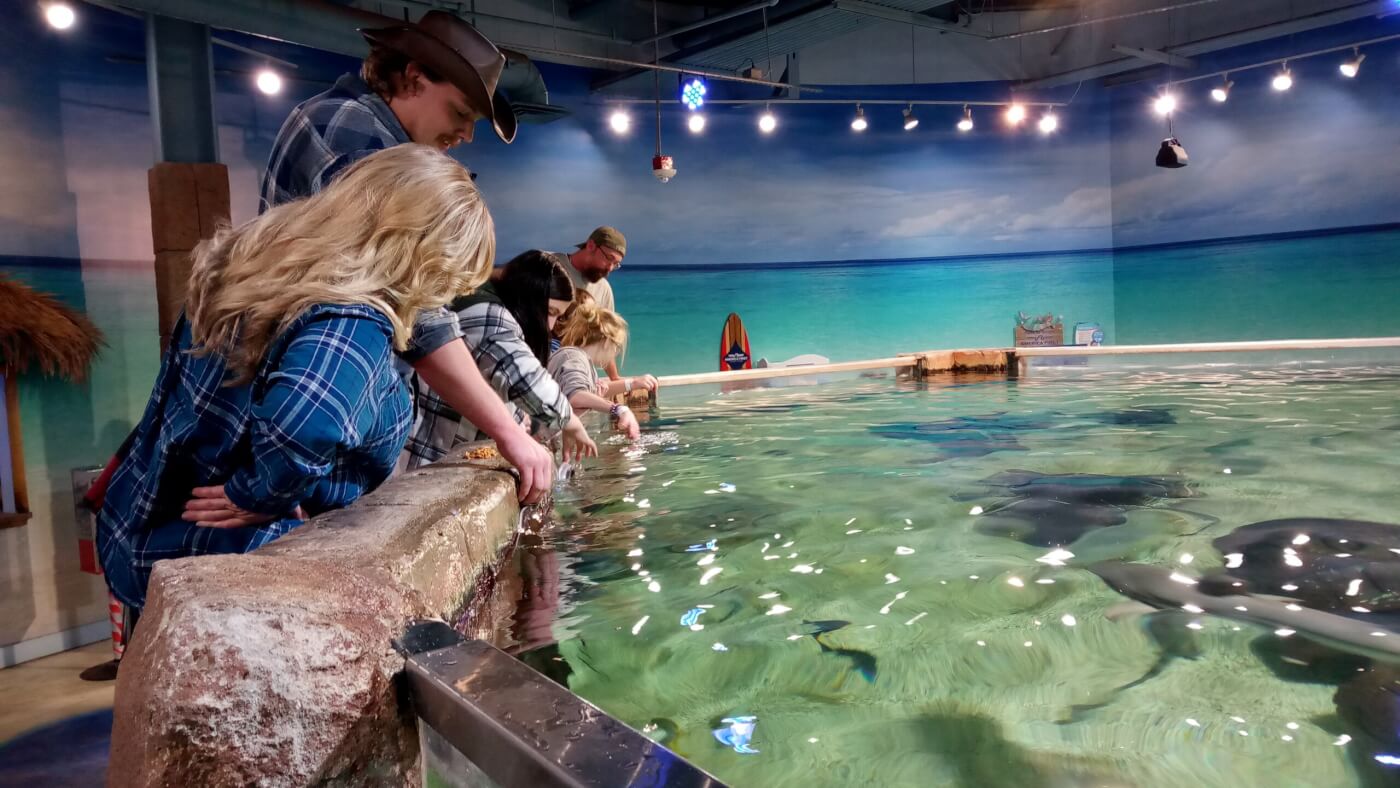
Sensitive aquatic animals already can’t escape the constant onslaught of groping hands that contaminate the water with bacteria in touch pools. When decomposing animal bodies are left in the water, the risk of disease to both humans and the animals trapped there can become even greater.
Say ‘Thanks, but No Tanks‘
Touch pool exhibits teach children that wild animals are playthings to be handled and harassed against their will for human amusement. Slimy SeaQuest hit rock bottom and declared bankruptcy, but its successors are still carrying on its greedy legacy. Please don’t purchase tickets that keep touch pools in business and join PETA in calling for an end to exploitative mall aquariums.
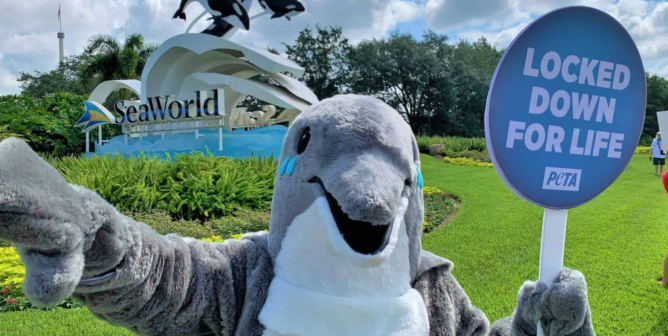
At SeaWorld and other ‘abusement’ parks, dolphins endure a lifetime of confinement, control, and exploitation.
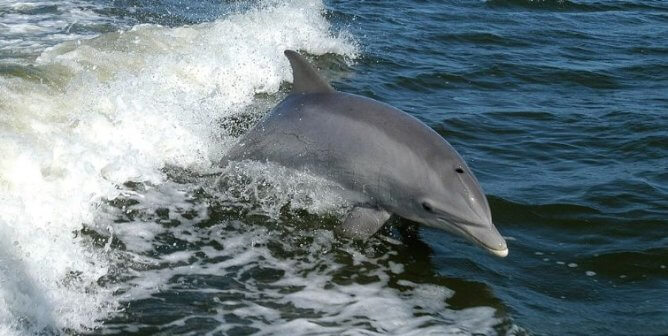
The tide is changing for SeaWorld, because even its neighbors are ready for change.
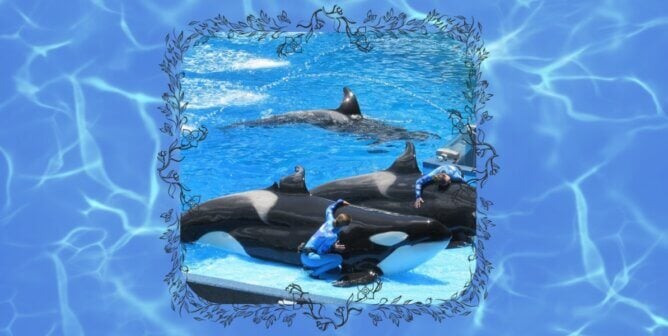
Katina, the last wild-captured orca at SeaWorld Orlando, has died after decades of exploitation. Learn about her and why the other animals need your help now.