One Difference Between SeaWorld And Ringling Bros.
Look closely, and you’ll see that SeaWorld and Ringling Bros. and Barnum & Bailey Circus are nearly identical, with eerily similar business models. So what sets them apart?
1. Stolen from their homes
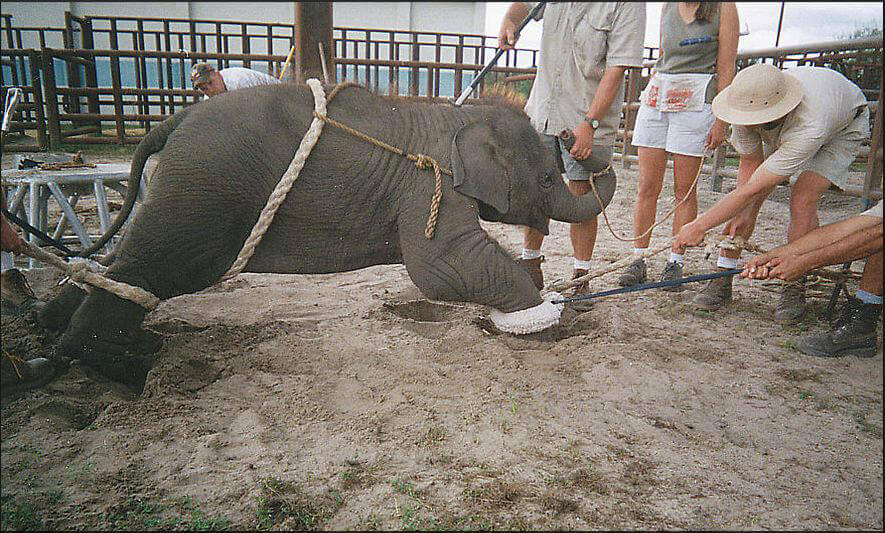
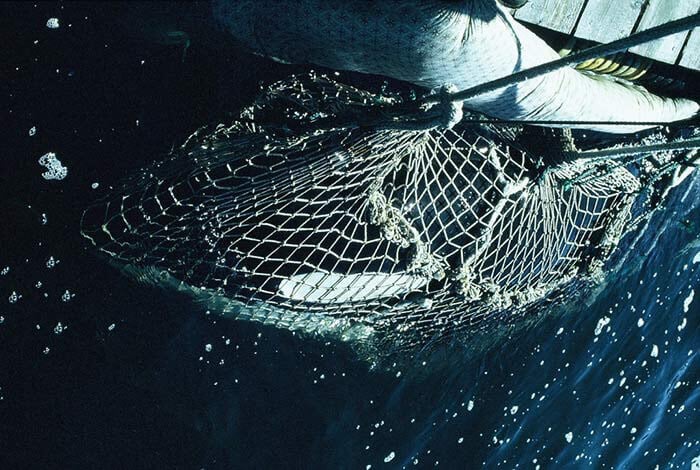
SeaWorld and Ringling Bros. both profit from exploiting and abusing animals who were stolen from their wild habitats or born into their breeding programs.
2. Broken Families
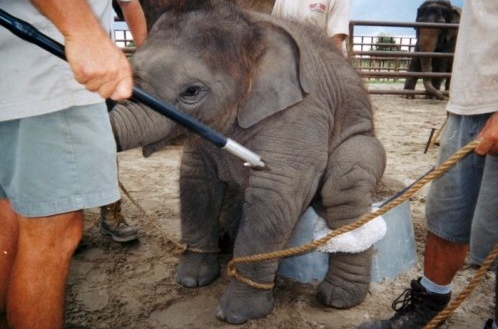
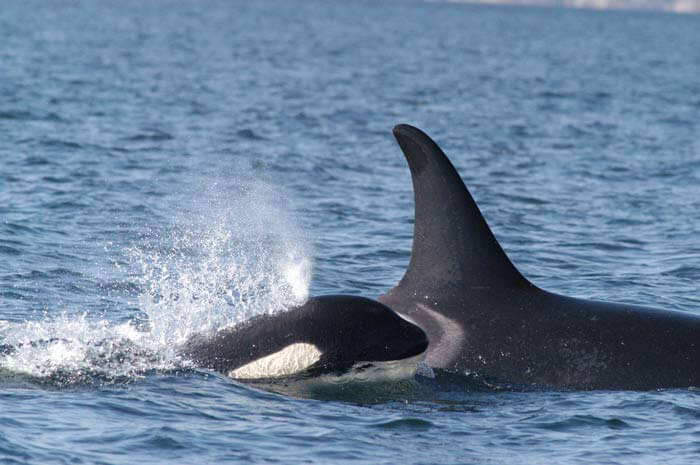
SeaWorld and Ringling Bros. both separate babies from their mothers. Elephants and orcas are highly matriarchal species: Children stay with their mothers for long periods of time—often for life. But neither company allows animal families to stay together.
3. Unnatural Confinement
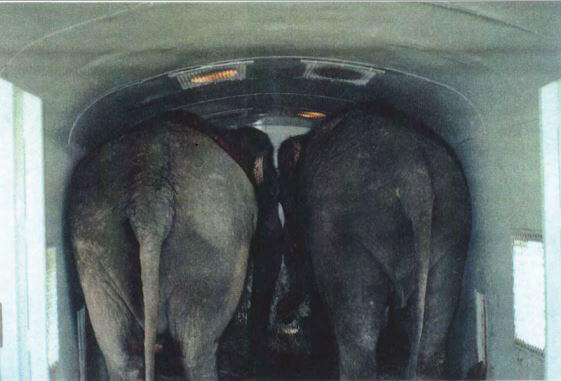
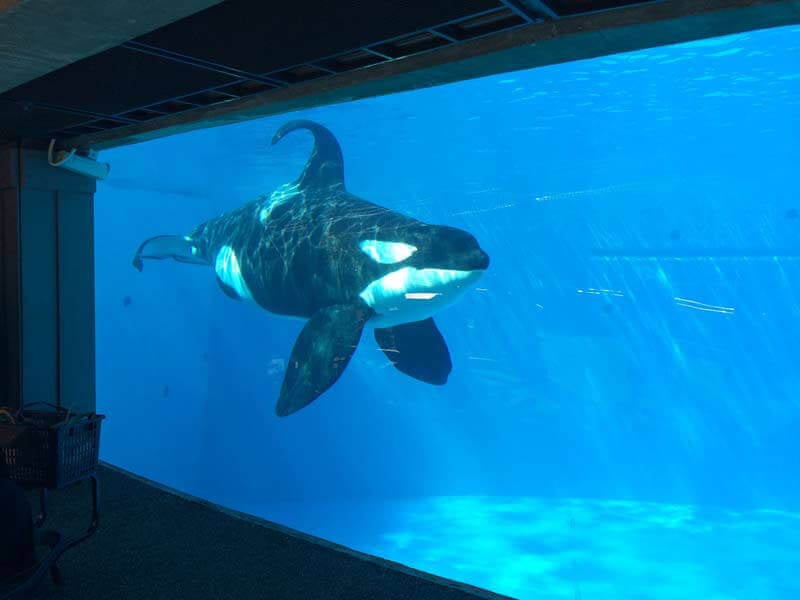
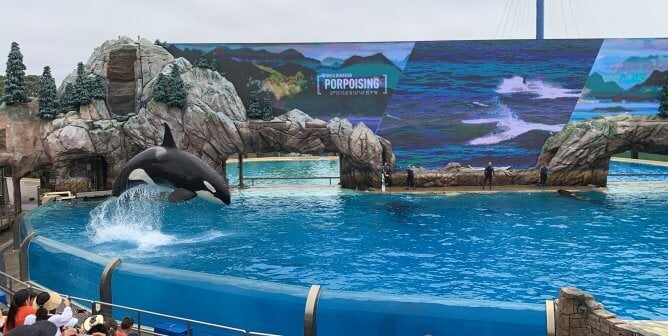
SeaWorld forces orcas to spend their entire lives inside tiny tanks, while elephants with Ringling Bros. spend long periods of time—sometimes days—shackled in tiny boxcars while on tour. In their wild habitats, orcas would swim up to 100 miles a day and elephants would walk up to 30 miles a day.
4. Manic Behaviors
Elephants with Ringling Bros. and orcas at SeaWorld display unnatural and repetitive behavior as a result of their constant confinement and lack of enrichment.
5. Trouble With The Law
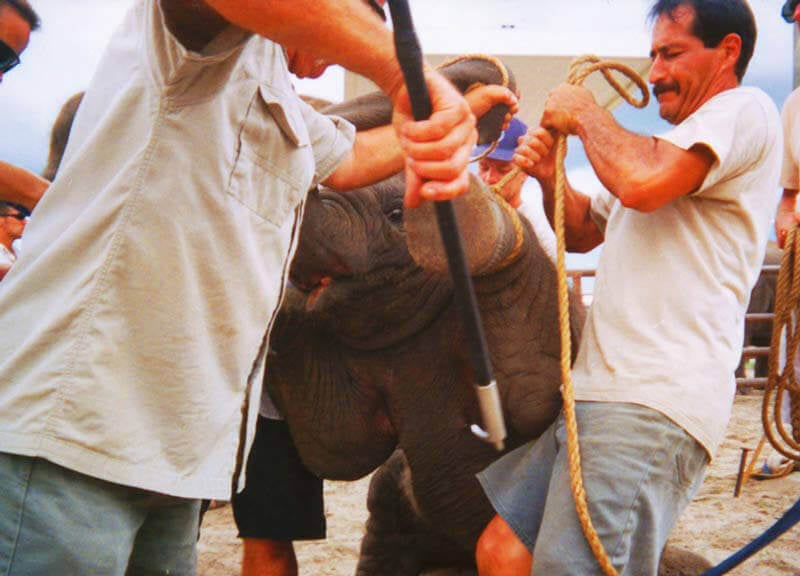
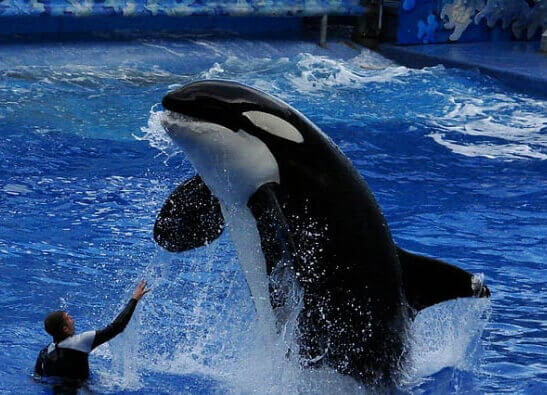
The U.S. Department of Agriculture ordered Ringling Bros. to pay a $270,000 fine—the largest civil penalty ever assessed against an exhibitor under the Animal Welfare Act (AWA)—while SeaWorld was cited for a serious violation of workplace safety laws after an orca killed trainer Dawn Brancheau. SeaWorld has also been cited for violations of the AWA, including for having decade-expired medical supplies.
6. Publicly Criticized
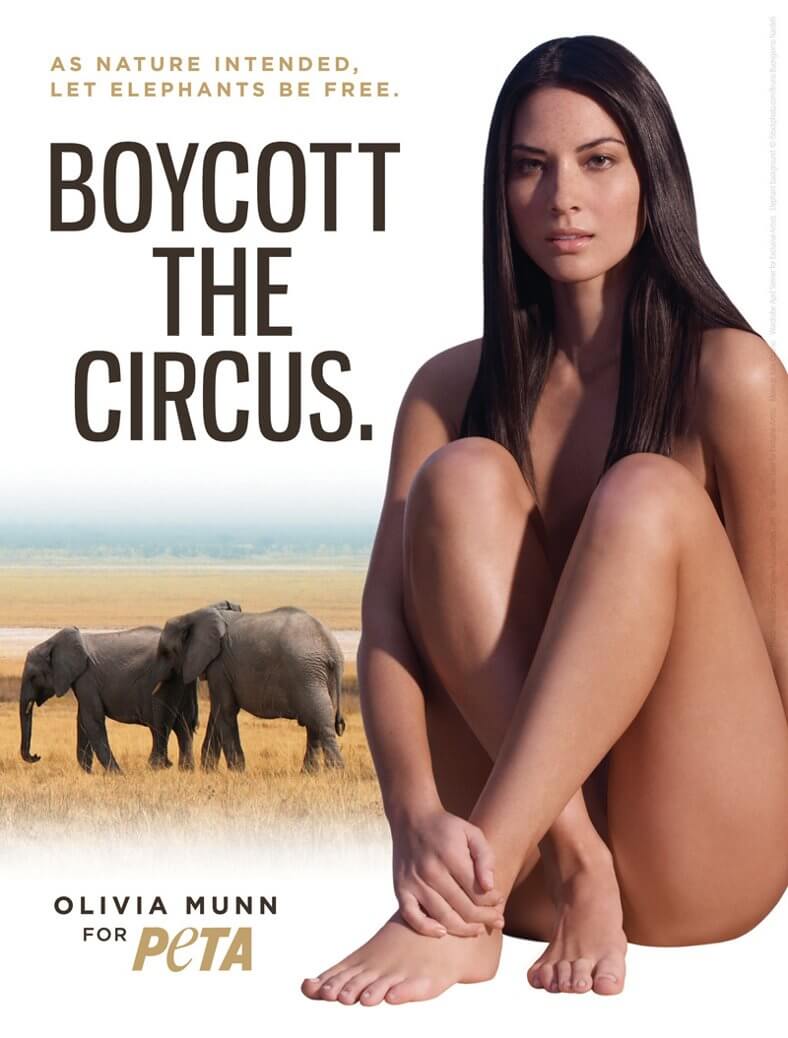
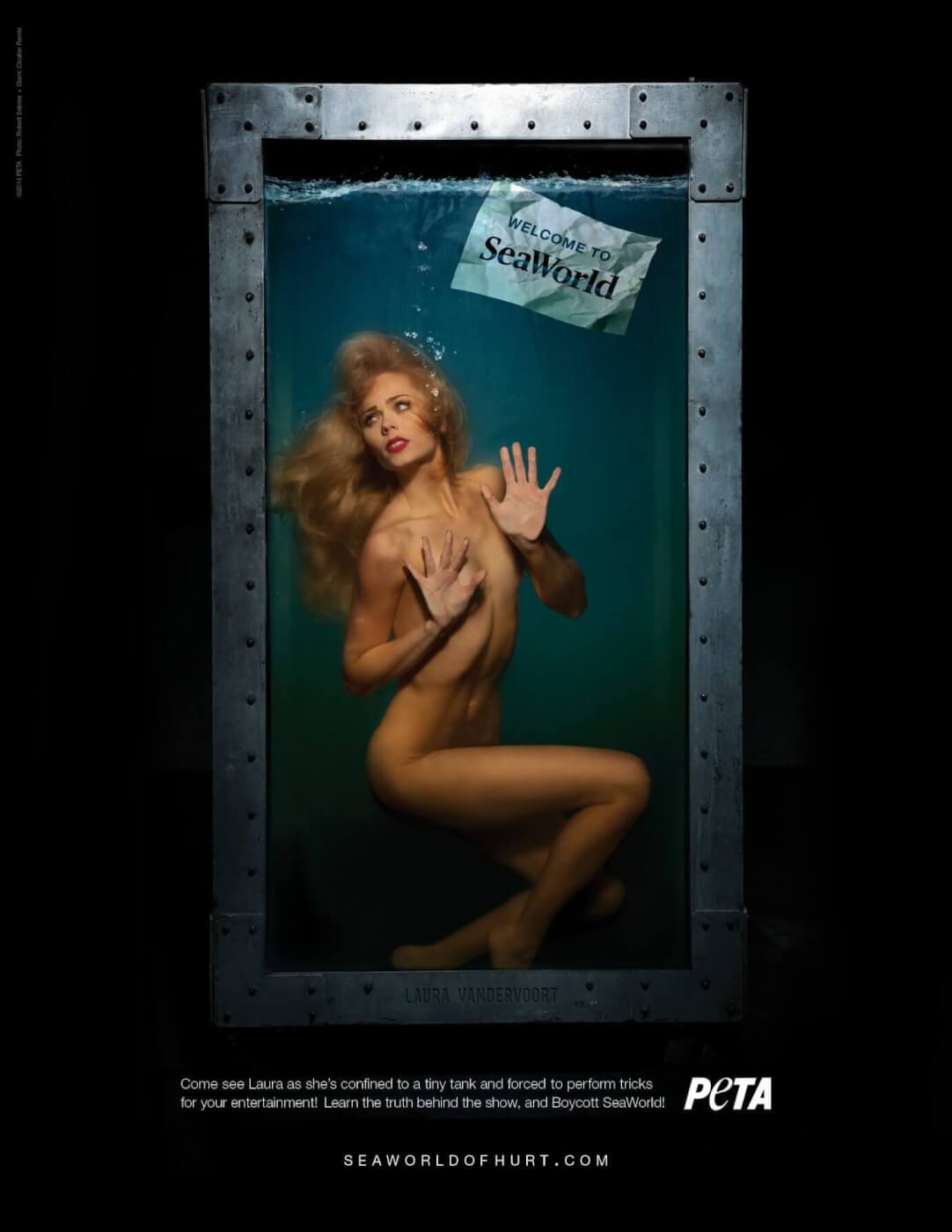
Both Ringling Bros. and SeaWorld have long been criticized by PETA as well as other animal-welfare groups. Many celebrities have also spoken out against the abuse of animals by these companies.
7. Questionable Claims
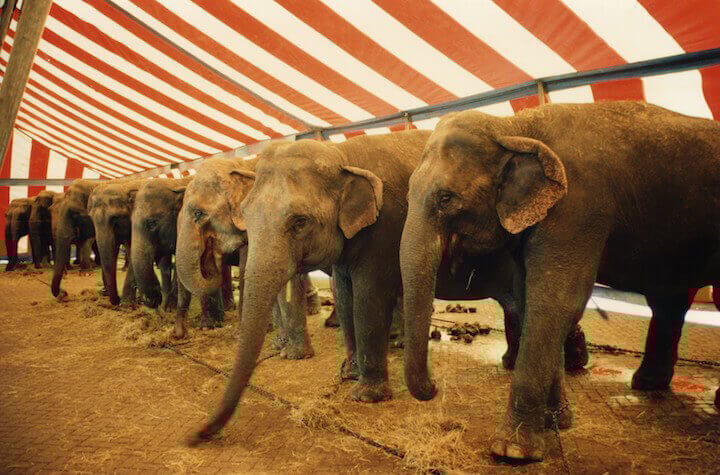
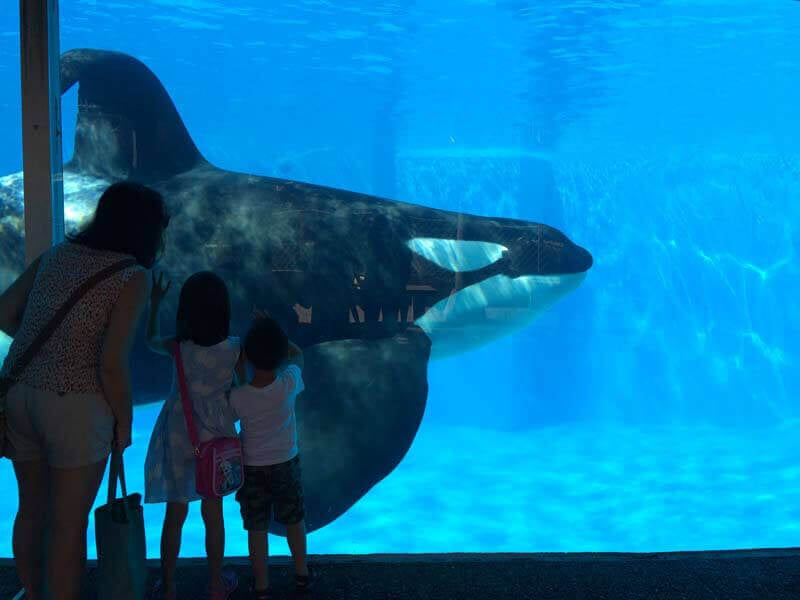
Both SeaWorld and Ringling Bros. claim to be making vital contributions to education and conservation, but there’s nothing to be learned about a species from watching pointless tricks and other unnatural behavior. In addition, not a single elephant or orca from the companies’ breeding programs has ever been released into the wild. SeaWorld has even provided the public with false information about animals.
8. Mass Exploitation
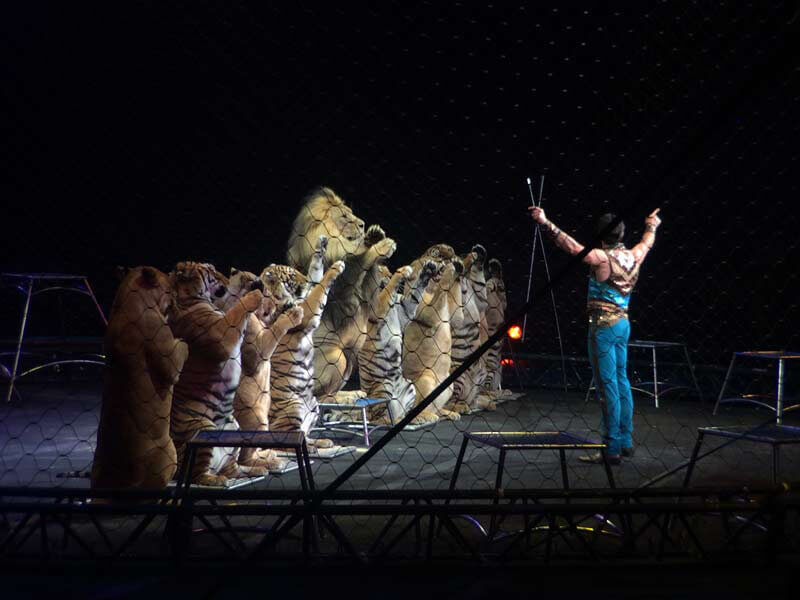
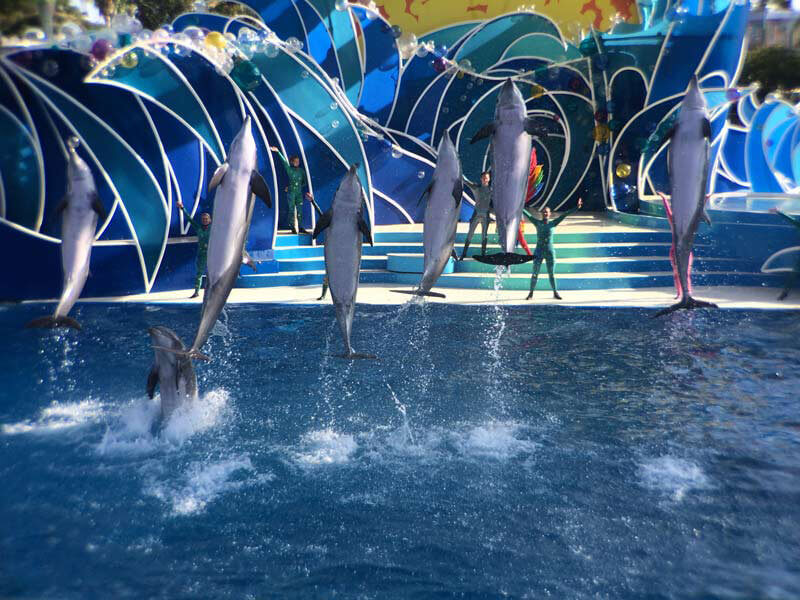
SeaWorld exploits a number of other animals besides orcas, including other dolphins, seals, and penguins, while Ringling Bros. uses tigers, llamas, dogs, and horses, in addition to elephants.
9. Teaches Cruelty
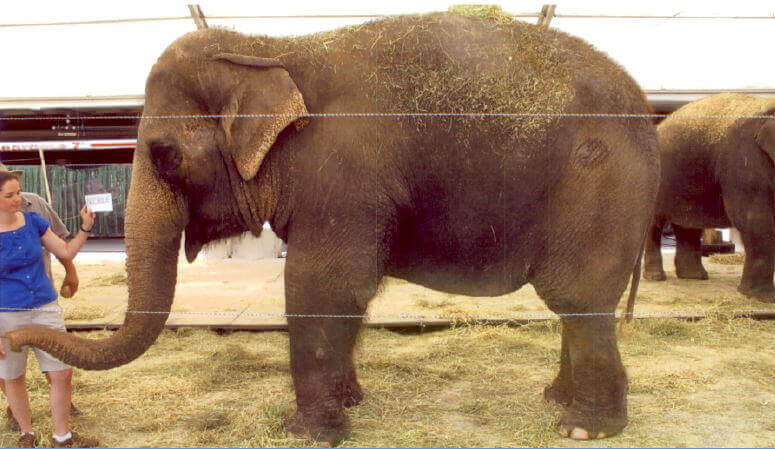
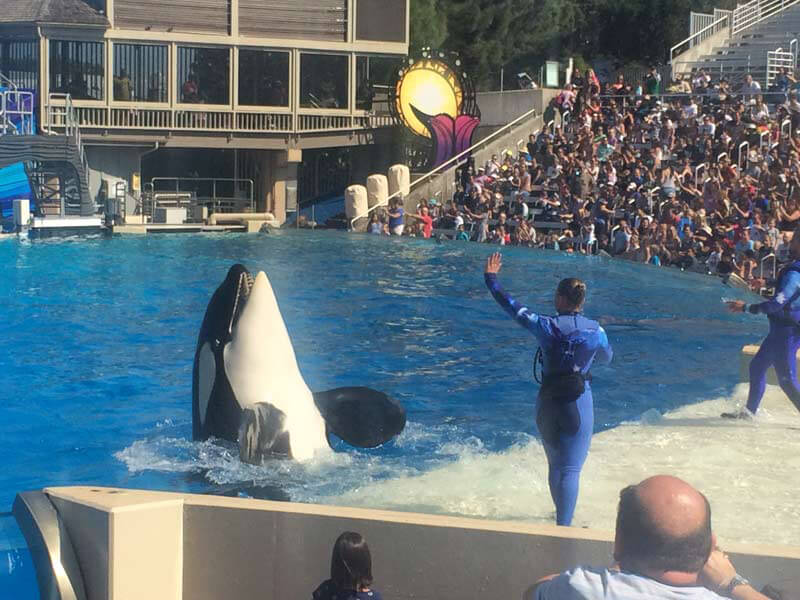
SeaWorld and Ringling Bros. both use business models that teach children that it’s OK to enslave and abuse animals.
10. Public Risk
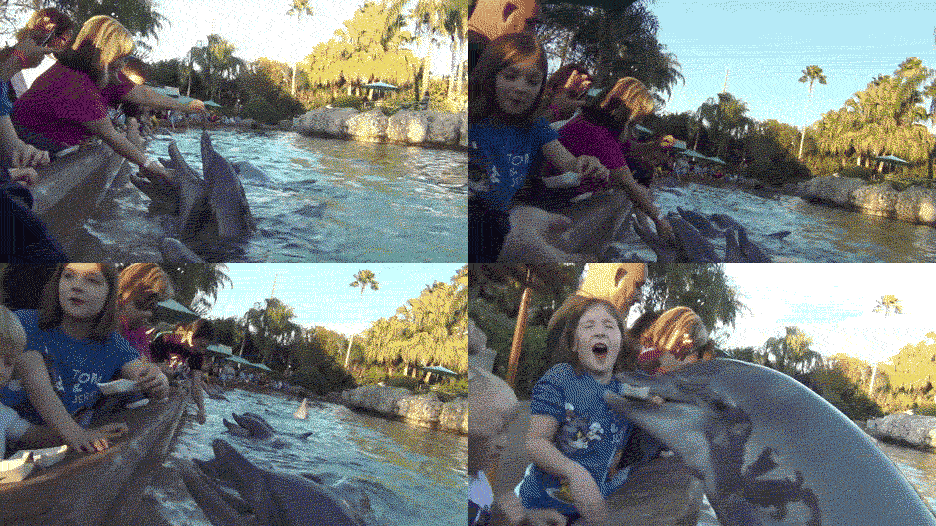 We recently discovered that Ringling Bros. has had elephants who are infected with the human strain of tuberculosis on the road. And numerous children have been injured by dolphins at SeaWorld.
11. Pointless Tricks
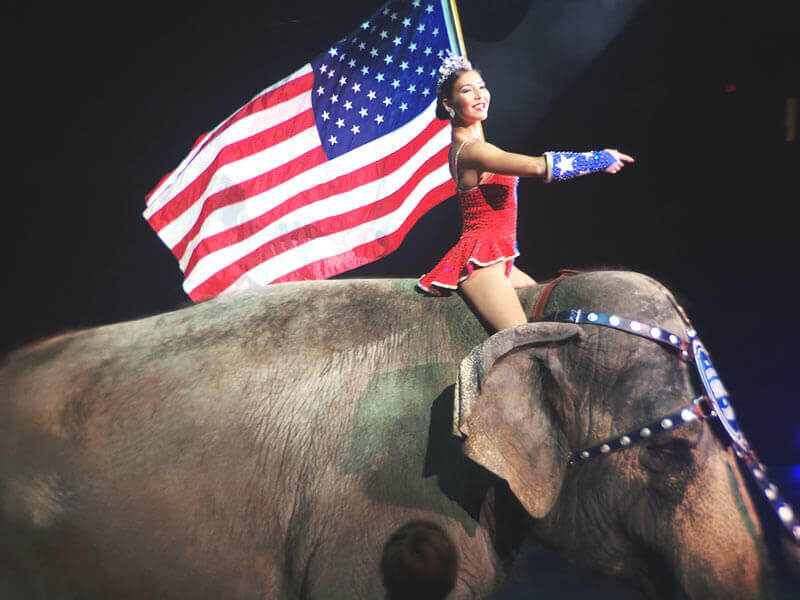
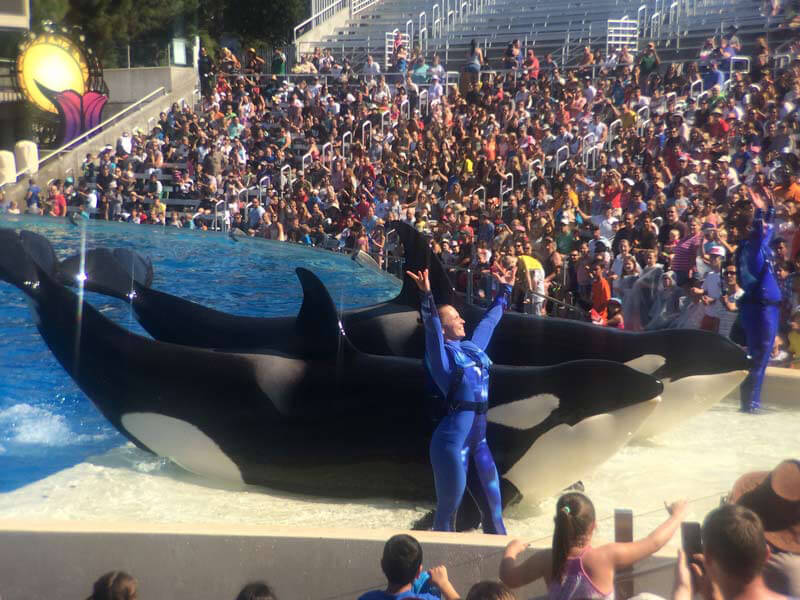
SeaWorld and Ringling Bros. both force animals to interact with trainers in unnatural routines for the “entertainment” of humans.
12. Dangerous
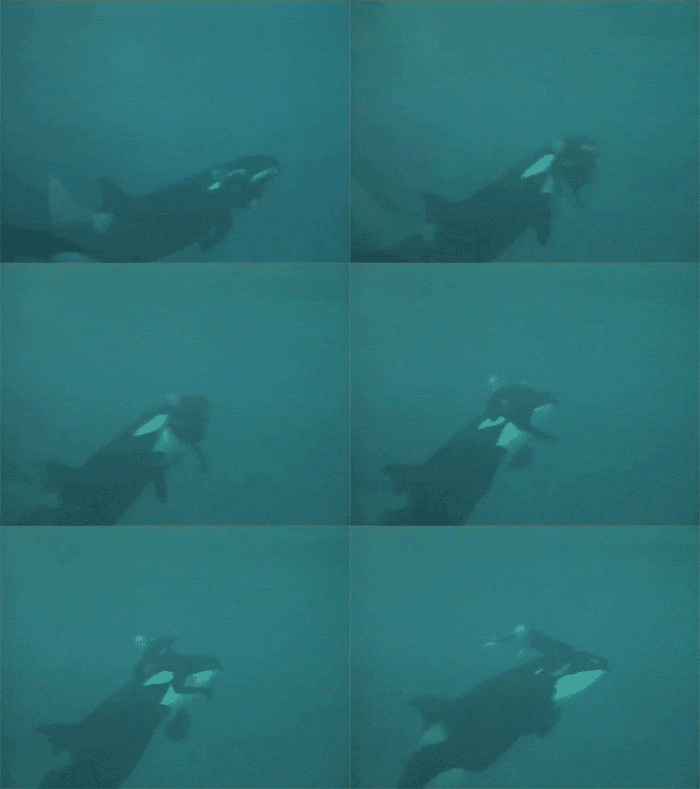 In addition to the dangers faced by animals held captive by these companies, employees of SeaWorld and Ringling Bros. have been injured or killed on the job.
13. Abnormal Physical Conditions
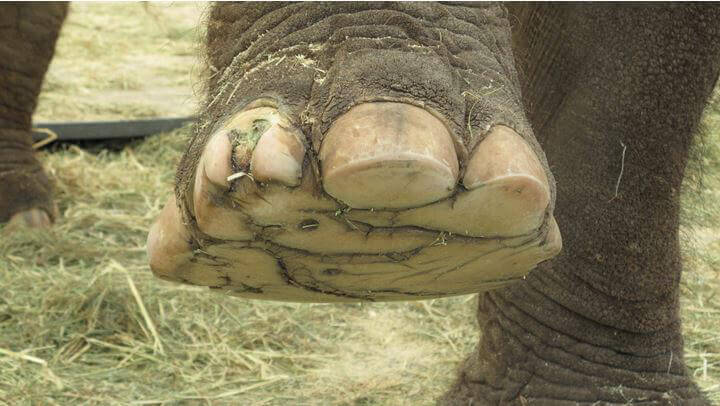
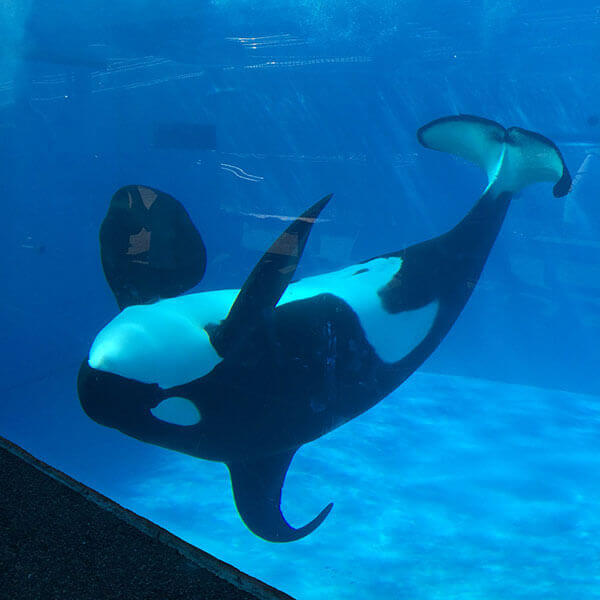
Orcas at SeaWorld have collapsed dorsal fins and often broken teeth and severe dental infections, while elephants at Ringling Bros. often suffer from painful foot problems and arthritis, which are the leading causes of death among captive elephants.
14. Shortened Life-spans
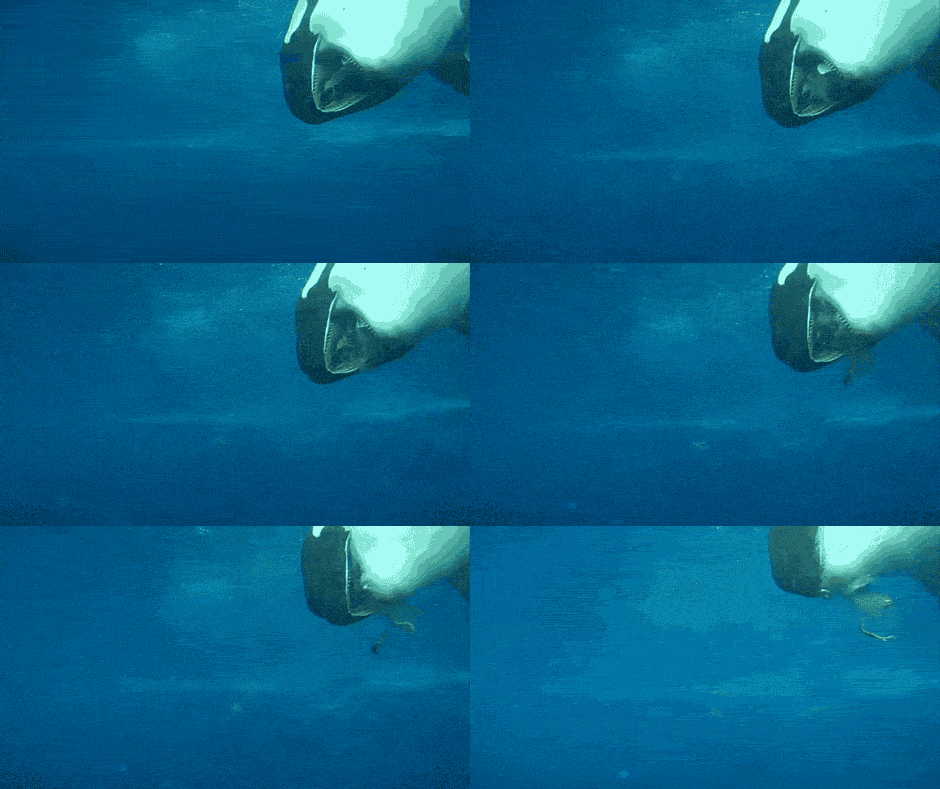 Despite claims that the animals are well cared for, orcas and elephants at SeaWorld and Ringling Bros. have significantly shorter lives, on average, than their free counterparts.
15. Babies Die
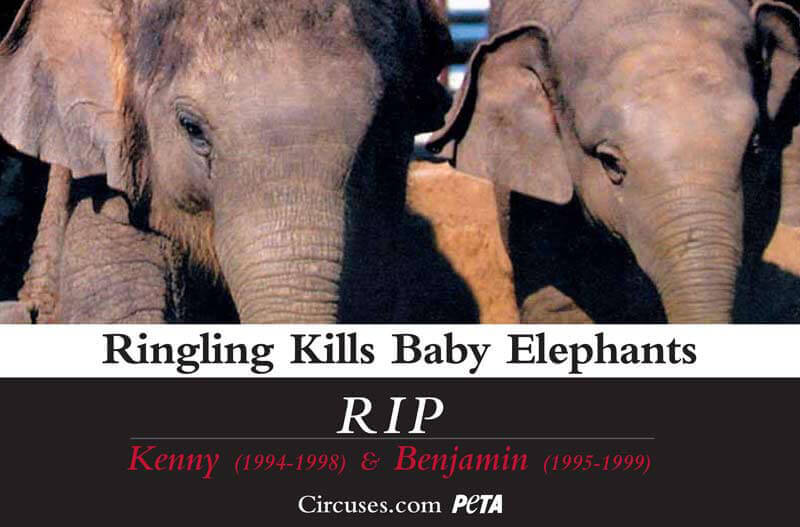 Babies die at both SeaWorld and Ringling Bros. So far, not including stillbirths, 36 orcas have died at SeaWorld parks—and not one died of old age. Many of them never even made it past their fifth birthday. Meanwhile, at least four baby elephants have died at Ringling Bros. since 1992.
16. Deprivation of Freedom
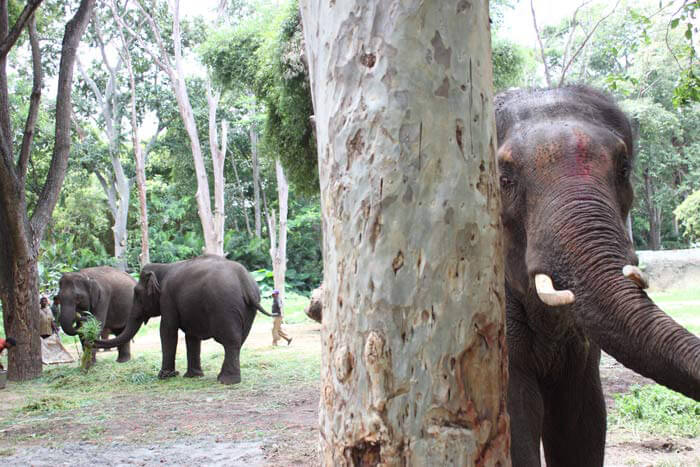
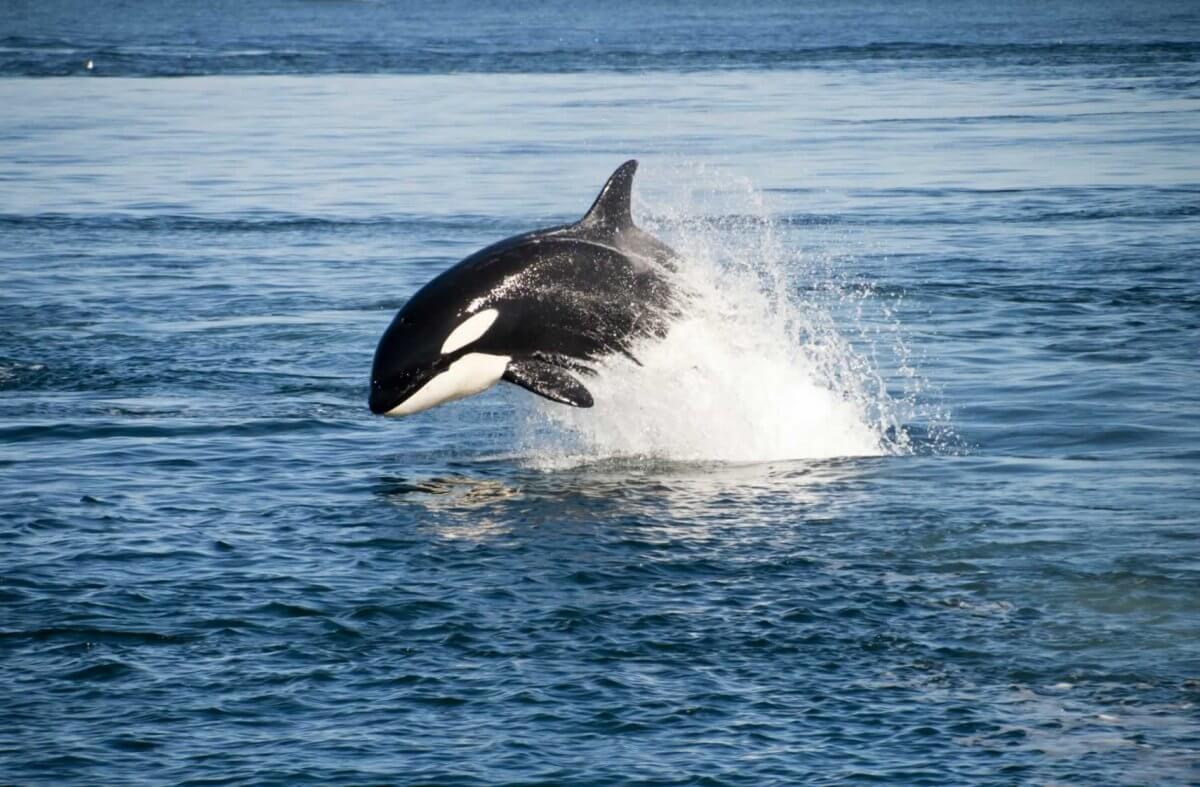
There are viable options for both Ringling Bros. and SeaWorld to release the animals they hold captive to sanctuaries, where they can live out the rest of their lives happily and in as natural a setting as possible.
17. Widely Protested
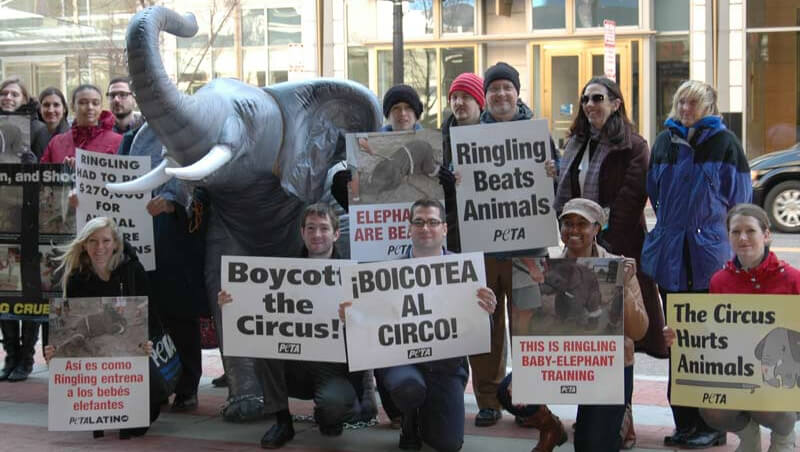
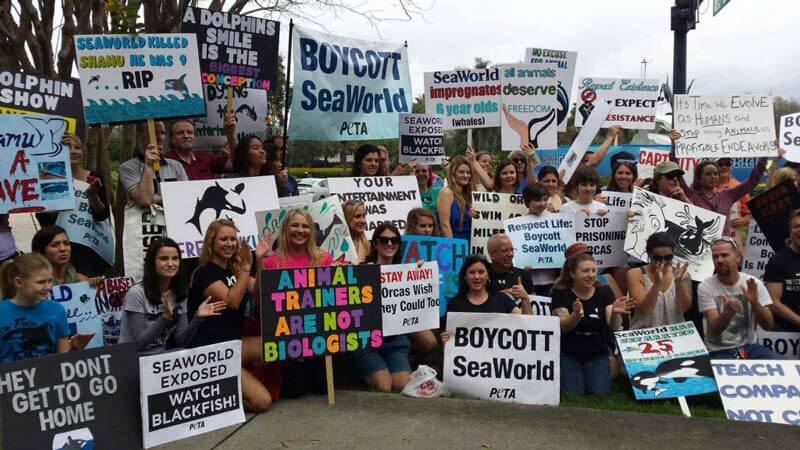
For years, the public has widely protested against both SeaWorld and Ringling Bros. as concern has mounted over the well-being of the animals held captive by each. 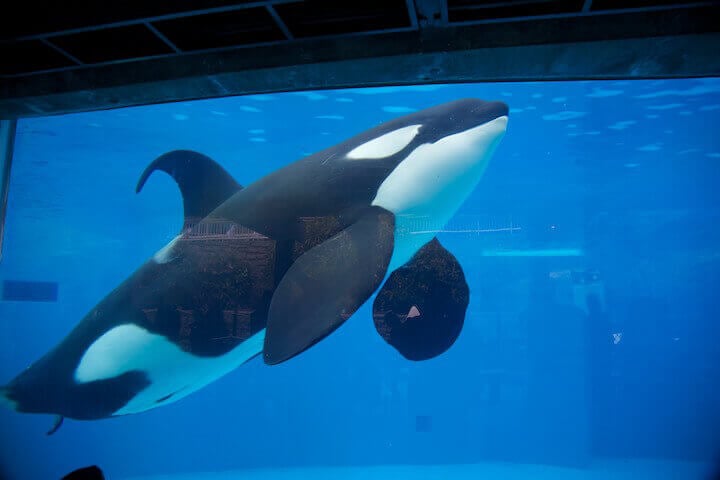 While SeaWorld continues to dig in its heels and refuses to take any positive steps for the animals it holds captive, Ringling Bros.’ announcement that it will phase out elephant performances by 2018 means that the “Cruelest Show on Earth” may have started listening to the public and PETA. If Ringling Bros. can phase out its use of elephants in performances, then SeaWorld can phase out its use of orcas—and it should. Urge SeaWorld to retire the orcas and other animals to seaside sanctuaries, and tell Ringling Bros. that the elephants currently suffering on the road deserve to be retired now and sent to a true sanctuary!
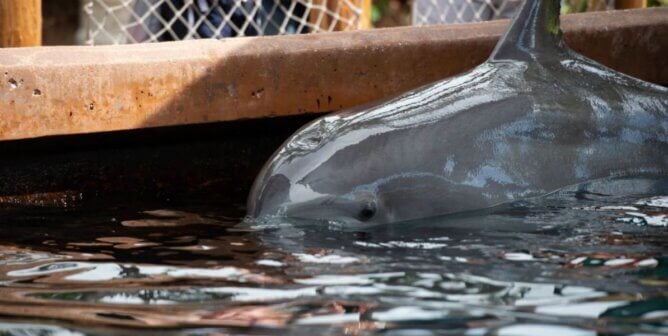
At SeaWorld and other ‘abusement’ parks, dolphins endure a lifetime of confinement, control, and exploitation.
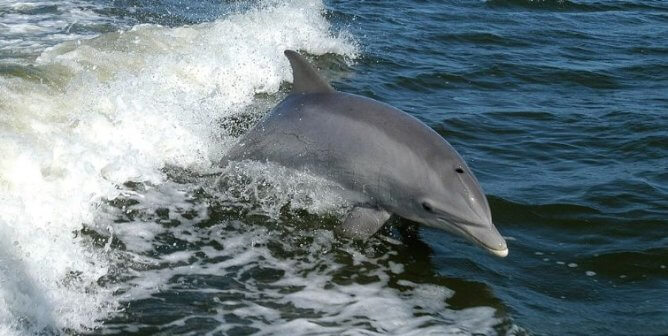
The tide is changing for SeaWorld, because even its neighbors are ready for change.
Corky still has a chance as long as this clock is ticking—but time is running out. Urge SeaWorld to release her and other orcas to a seaside sanctuary now.