Stop Calling It a Diet: What Being Vegan Really Means
Here’s some food for thought: Being vegan is a way of life—not a “diet.” While many humans ditch meat, dairy, eggs, and other animal-based products for their health (and yes, the perks are real), vegan living is about practicing kindness every day. It means thinking beyond the plate, from the clothes you wear to the products you use.
Ditching the ‘Diet’ Mindset
Unlike many diets, being vegan isn’t about restriction—it’s about liberation. It’s not a “fad,” it’s a lifelong commitment to living kindly. Diets focus on just you—your weight, your cholesterol, your before-and-after photos. Yes, going vegan can help with fitness goals (just ask the many vegan bodybuilders who preach kindness and wellness!). But being vegan expands that focus to include everyone affected by your choices: you, our fellow animals, and the whole planet.
Combating Cruelty
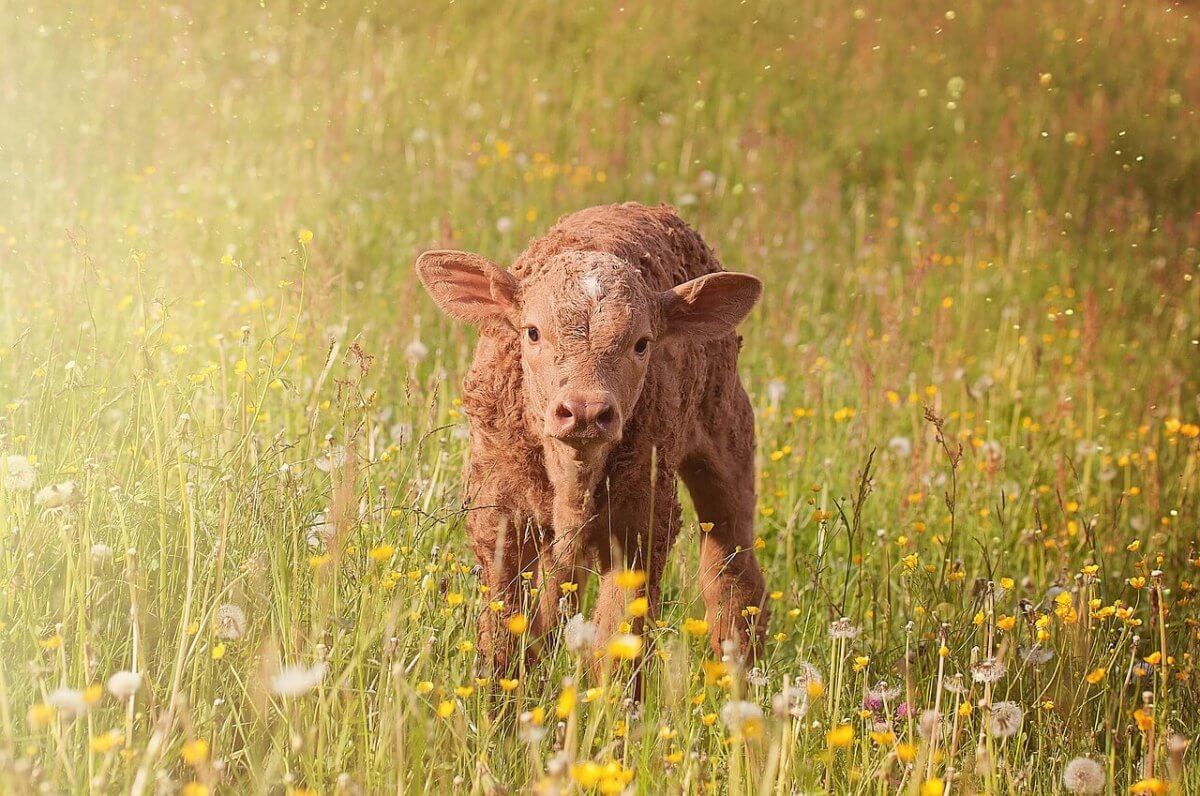
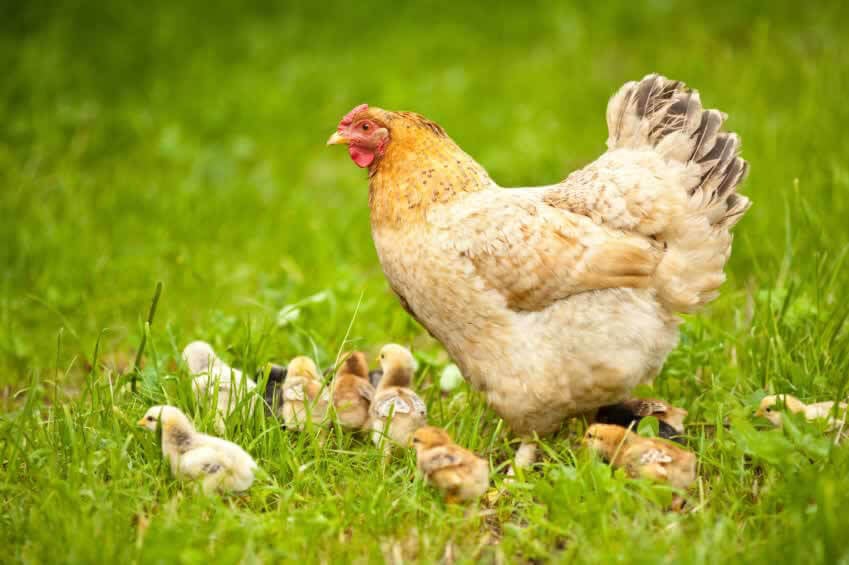
Cows, birds, and countless other animals suffer every day on today’s farms, where they can’t bask in the sun, root in the soil, breathe fresh air, or raise their families (and yes, this is true for animals whose flesh, eggs, and milk are disingenuously labeled as “humane” or “animal welfare certified”). At the end of this misery, workers cram them onto trucks and haul them to slaughterhouses, where they’re hung upside down and violently killed. Every person who goes vegan saves nearly 200 animals—200 complex, feeling individuals—every single year.
Health Benefits That Go Beyond the Scale
Vegan foods are linked to lower risks of heart disease, diabetes, and certain cancers. Vegans also often have more energy, better digestion, and clearer skin. But unlike most “diets,” the benefits of vegan living don’t come with guilt or deprivation—just nourishment for body and conscience alike.
Plants are packed with fiber, antioxidants, and all the nutrients your body needs—without the cholesterol or cruelty. Vegan eating embraces abundance: colorful fruits, hearty grains, and delicious plant proteins that fuel your life with compassion.
Vegan Living Applies to What You Wear and Use, Too
Going vegan doesn’t stop at breakfast, lunch, and dinner—it extends to every part of your life. That means choosing vegan leather, wool, and other materials instead of skins, feathers, and fur stolen from sensitive animals. It also means choosing products that aren’t tested on animals and don’t contain animal-derived ingredients. Whether it’s the shoes on your feet or the shampoo in your shower, living vegan means doing our best to choose compassion at every opportunity—whenever we can, and whenever it’s available to us.
Environmental Benefits: Saving the Planet One Bite at a Time
When you’re vegan, you can say you care about the environment—and actually mean it. Animal agriculture is a leading driver of the climate catastrophe, contributing to greenhouse gas emissions, polluting waterways, and destroying forests. Being vegan is the most powerful way anyone can combat this crisis—and every person who does so saves 1,100 gallons of water, nearly 40 pounds of grain, and 30 square feet of forested land each day!
It’s Not Just About Food—It’s About Freedom
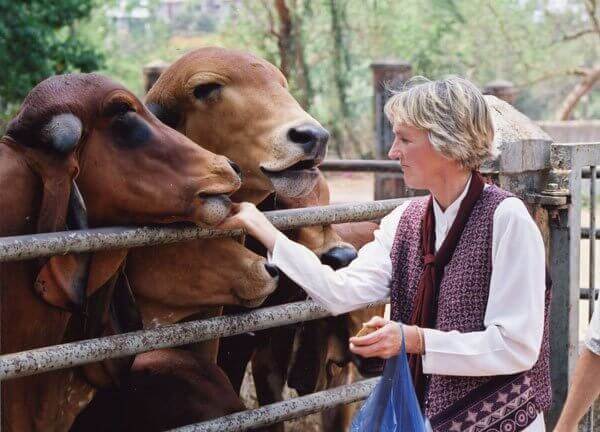
Vegans understand that every animal is someone, from mother cows who protect and nurture their young, to mice who “sing” to each other to show affection, to sheep who form lifelong friendships. These animals suffer on farms, at slaughterhouses, and in laboratories—and WE have the power to help them. No, being vegan isn’t a “diet.” It’s the principle that our fellow animals aren’t here for us—they’re here with us.
If you want to go vegan to save animals and the planet, order PETA’s helpful kit to get started today. If you’ve already made the compassionate switch, great! Now help someone else do it, too:

Meet Liora, the sweet-spirited dog who went from living life at the end of a chain to a safe home.

Whether you’re lounging at home, running errands, or meeting up with friends, the Blondita x PETA Friends of Animals Club collection is the perfect fit!
PETA continues to save animals and end cruel experiments. Learn which mushroom company just ended tests on animals after hearing from us.