
The Hidden Health Crisis in Animal Testing Facilities
Another thing experimenters don’t want you to know: The laboratories they trap animals in for testing are hotbeds for disease. If that surprises you, it shouldn’t. For monkeys, rats, rabbits, mice, and other animals, life in a testing facility means the same thing every day—being isolated or crowded together in tiny, barren cages, suffering neglect, and enduring excruciatingly painful procedures.
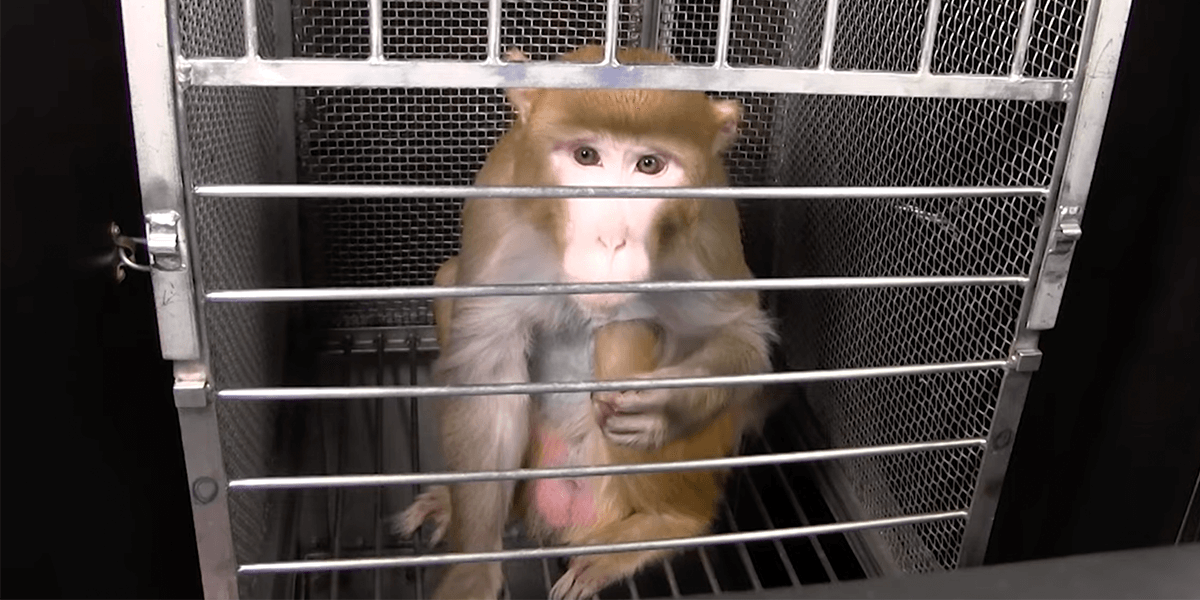
This misery ravages their bodies. Laboratory environments cause extreme stress, injuries, disrupted metabolisms, inflammation, and weakened immune systems. And the filth and crowding—well-documented in USDA inspection reports—make everything worse. Diseases that might barely ripple through animals in nature can erupt into dangerous outbreaks in labs. As if animals in laboratories don’t suffer enough.
In laboratories, fear and sickness fester. Here’s what that looks like.
- Ringworm: This fungal infection thrives in dirty, crowded conditions. Young or immunocompromised animals often lose patches of hair and develop sore, scaly skin lesions.
- Pneumocystis carinii: This fungus infects the lungs of mice and rats. When their immune systems collapse under stress, animals can suffer from rough fur, labored breathing, bluish skin or lips, and even death.
- Murine Respiratory Mycoplasmosis (MRM): It’s one of the most significant pathogens affecting mice and rats in laboratories. Also known as “chronic respiratory disease,” it causes congested breathing in rats, “chattering” in mice (a common sign of severe respiratory distress), weight loss, lethargy, and hunched posture.
- Mouse rotavirus: This highly contagious virus spreads easily through contaminated dust, bedding, or other animals. Young mice develop diarrhea, swollen bellies, and in severe cases, life-threatening blockages.
- Pasteurella multocida: This is the most common pathogen among laboratory-confined rabbits. It causes chronic respiratory illness (“snuffles”), pneumonia, abscesses, and ear infections. Rabbits may suffer from thick nasal discharge, constant sneezing, eye infections, and matted fur from wiping their noses. Rabbits’ susceptibility to the illness increases when humans ship them like cargo, expose them to ammonia-filled air, or subject them to sudden temperature changes.
- Salmonella enteritidis: This bacterium colonizes the intestines of infected animals, causing diarrhea, weight loss, and sometimes death. It spreads through contaminated food, water, bedding, and even laboratory workers. Stress from experiments or deprivation can make infections more severe.
- Clostridium piliforme: This bacterium causes Tizzer disease, leading to diarrhea, extreme lethargy, ruffled fur, and often rapid death. In tightly packed laboratory rooms, it moves easily through contaminated food or bedding.
Disease isn’t the only danger. The constant buildup of ammonia from urine and feces in cages burns animals’ eyes, noses, and throats, and exacerbates respiratory infections like pneumonia.
These illnesses aren’t rare. They’re the inevitable outcomes of confinement, suffering, and squalor in laboratories. The animal experimentation industry is already riddled with failure. Around 90% of basic research—most of which involves animals—never leads to treatments for humans. Results are even more unreliable when animals are sick. Combine that with the biological differences between humans and other animals, and it’s no wonder animal-based research keeps failing.
And let’s not forget the psychological toll. When experimenters aren’t restraining them or injecting them with poisons, animals often sit alone, just waiting in panic for the next agonizing procedure. Animals in laboratories often display repetitive, compulsive behaviors, like pacing in circles or even harming themselves.
The Cure? State-of-the-Art, Animal-Free Research
Yes, animals get sick in laboratories—but this only scratches the surface. The illnesses above don’t even include the deadly diseases experimenters deliberately infect them with, from anthrax to Ebola and beyond.
The animal experimentation industry isn’t producing breakthroughs. It’s producing cruelty.
It doesn’t have to be this way. PETA’s Modernize Research Now initiative is paving the way toward a future where humans don’t torment and kill animals in useless, wasteful experiments. Cutting-edge, compassionate methods can replace tests on animals with safer, more effective approaches that actually advance human health.
If you live in the U.S., support our plan today:
Help end the importation of endangered monkeys:
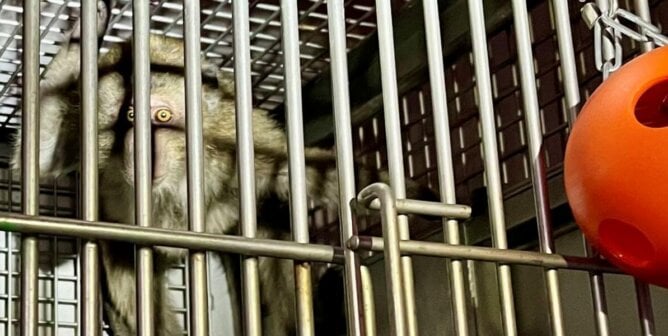
The Florida Fish and Wildlife Commission has charged the president of BC US with a misdemeanor after a recently imported monkey was tossed into a dumpster and went unnoticed for five days.

The world is mourning Dr. Biruté Galdikas, a tireless champion for our fellow primates and their forests.

PETA continues to save animals and end cruel experiments. Learn which mushroom company just ended tests on animals after hearing from us.