How Civets Suffer to Make Kopi Luwak, the World’s Most Expensive Coffee
Kopi luwak, often touted as the most expensive coffee in the world, is made from the beans of coffee cherries that have been eaten and excreted by the Asian palm civet. The coffee can cost up to $600 per pound, with a single cup fetching as much as $100, primarily because coffee sellers in many countries dupe unsuspecting consumers into thinking it is an exotic “luxury”.
How Kopi Luwak Is Made
Kopi luwak is made from the poop of civets. When civets eat coffee cherries, they pass through the animal’s digestive system, where enzymes break down proteins in the beans, which producers claim influences the coffee’s flavor. Workers then collect the partially digested beans from the animals’ poop, wash and dry the beans, and then roast them.
Why You Shouldn’t Drink Kopi Luwak
Workers in the kopi luwak industry typically snatch civets from their homes in nature and imprison them alone in small, filthy cages. They deprive the civets freedom, exercise, space, and even their normal food. In nature, civets eat a varied diet, but in captivity, kopi luwak producers just feed them bins full of coffee cherries to maximize profits. This leads to nutrient deficiencies, and the animals eat far more than they would ever eat naturally.
They bite at the cage bars, turn in circles, and suffer mentally and physically from being imprisoned with no escape. Deprived of adequate nutrition, they begin to lose their fur.
PETA Asia Investigates Civet Coffee Farms
In 2020 and 2024, PETA Asia investigators visited civet coffee farms in Indonesia, one of the world’s top producers of kopi luwak. The investigators found deplorable conditions in every single one, and discovered sick Asian palm civets with bloody, open wounds trapped inside tiny wire cages encrusted with their own feces.
The undercover footage shows sick, depressed civets suffering from infections and exhibiting signs of zoochosis, a stress–induced neurotic condition that causes captive animals to spin, pace, and bob their heads in constant, frantic displays of frustration.
Producers sell civets at live-animal markets or release them when they’re no longer useful for kopi luwak.
One farmer told PETA Asia investigators that the lack of nutrition and the stress from years of confinement make them so debilitated that many do not survive in nature if they are released.
“Wild-Sourced” Kopi Luwak Is a Scam
Kopi luwak producers that get their beans from caged civets deliberately mislabel their coffee beans as “wild-sourced.” Numerous civet coffee farms that PETA Asia investigated falsely advertise their coffee as “wild-sourced”. Farmers told PETA Asia investigators that it would be nearly impossible to produce exclusively wild–sourced civet coffee and that the industry knowingly mislabels coffee from captive animals.
At two farms, PETA Asia was told that the producer “didn’t have a problem” with putting a “100% wild–sourced” or similar label on coffee from caged civets. One farmer even gave the investigator a sample of coffee bearing a false label.
This “novelty” coffee is clear cruelty sold by companies such as Amazon.com. We’re asking Amazon, as a leader in global online retail sales, to learn the ugly truth behind this coffee from PETA Asia’s investigations and stop selling kopi luwak.
Do your part to help animals by never buying kopi luwak or any other coffee made from animal poop.
Do your part to help animals by adopting a vegan diet. Order PETA’s FREE vegan starter kit to help you make the transition!
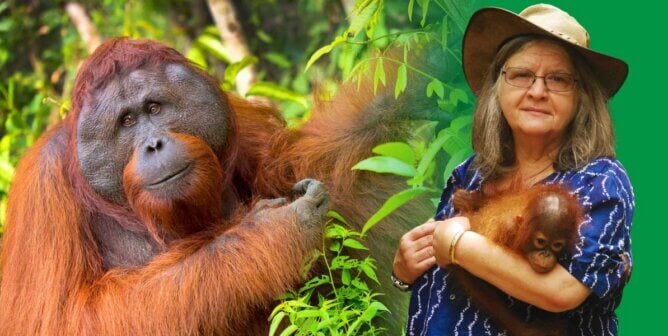
The world is mourning Dr. Biruté Galdikas, a tireless champion for our fellow primates and their forests.
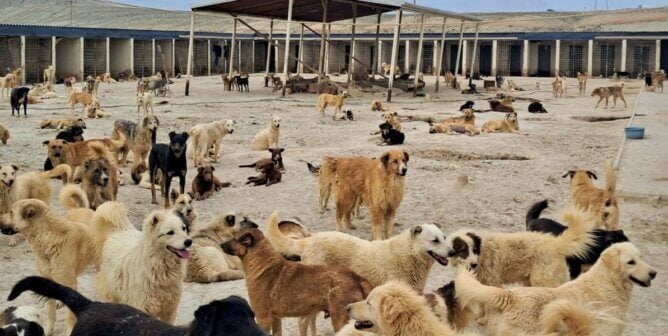
A drainage system, stronger kennels, and beds have transformed the lives of nearly 100 rescued dogs in the Middle East.
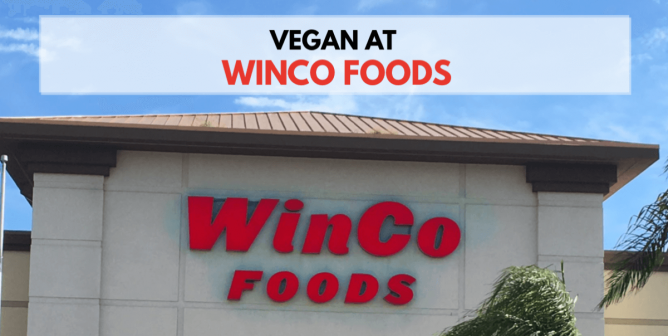
It’s easy to find a cartload of vegan products at WinCo. One PETA staffer reveals all the vegan goodies he found on a recent shopping trip to WinCo.

