
2025 Wrapped: Major Moments in the Fight Against the Animal Testing Industry
Thanks to the relentless work of PETA scientists and the compassion of our supporters around the globe, this year brought major breakthroughs for animals suffering in laboratories.
Together, we helped shut down cruel experiments, pushed government agencies and corporations to abandon tests on animals, and propelled innovative, animal-free research into the mainstream.
These victories are saving lives right now—and paving the way for a future when tests on animals are a distant, shameful memory.
Here are just some of our biggest wins for kind, effective science this year.
The U.S. Centers for Disease Control and Prevention (CDC) announced it will end experiments on monkeys.
In a landmark shift, the CDC announced plans to phase out all experiments on monkeys—a victory PETA and our supporters have worked toward for years. The move came amid growing evidence that the monkey-import pipeline is riddled with disease, escapes, and regulatory failures, and that these vile tests have repeatedly failed to produce human-relevant results.
A marmoset-killing laboratory shut down.
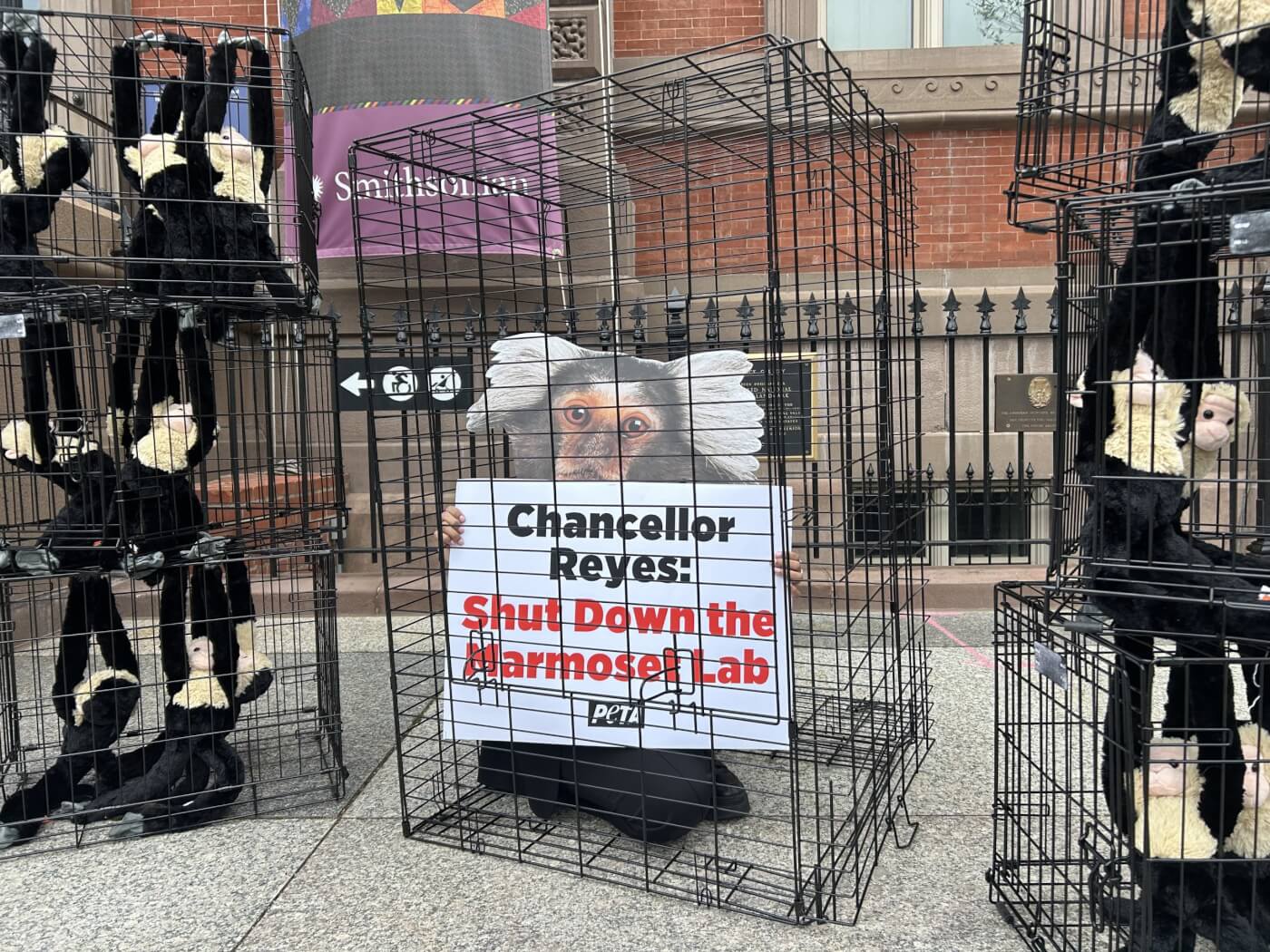
The University of Massachusetts–Amherst has shut down Agnès Lacreuse’s marmoset laboratory, ending more than a decade of deadly, worthless experiments. With support from more than 160,000 advocates—and nearly 1.4 million messages sent by PETA supporters—sustained pressure through protests, ads, disruptions, celebrity appeals, and a lawsuit finally forced the lab’s closure.
A disgraced former primate center head was forbidden to experiment on animals.
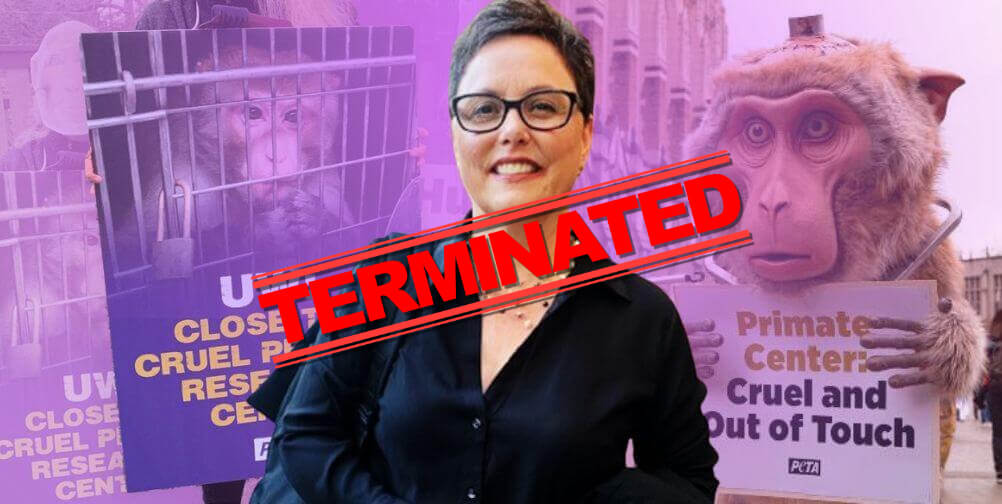
In an unprecedented move, the University of Washington’s animal oversight committee barred Michele Basso, the former director of its primate center, from conducting any of her experiments on monkeys or other animals. The committee cited her repeated rule-breaking and total loss of trust—echoing PETA’s long-standing calls for accountability. Basso had already been fired from her leadership role last year after PETA hand-delivered a detailed letter calling for action.
Oregon legislators threatened to close a primate center if it received state funding.
Oregon lawmakers told the Oregon National Primate Research Center it must submit a plan to close by 2026 if it takes state money or if the National Institutes of Health (NIH) cuts its funding by 25%. It’s the first time the center’s future has been tied to state funding—and it follows strong pressure from PETA supporters who contacted their state representatives and dozens of Oregonians who urged lawmakers to shut the facility down.
Harvard’s baby monkey torture tests lost funding.
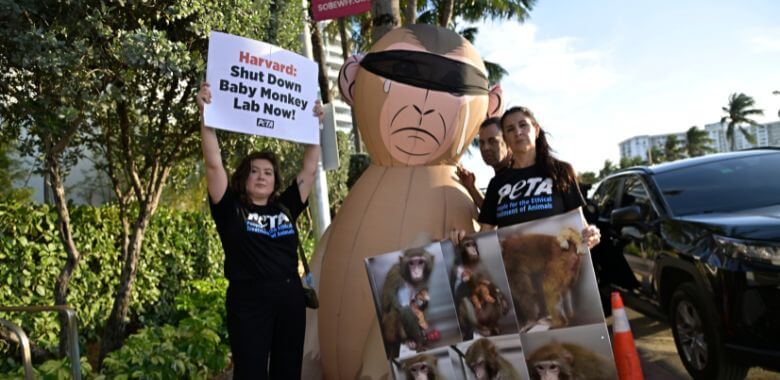
After two and a half years of relentless pressure from PETA—including ads, federal complaints, expert critiques, and 700,000 emails from supporters—federal funding for Margaret Livingstone’s notorious infant monkey laboratory has been cancelled, ending decades of torment. PETA first exposed Harvard’s horrors in 2022, revealing that Livingstone tore newborn monkeys from their mothers, had sewn the eyes shut of some of them , forced others to wear strobe-light goggles, and “face-deprived” others by only allowing contact with humans in welding masks.
NIH declared that it would prioritize human-relevant research.
NIH announced a sweeping shift away from experiments on animals and toward modern, human-relevant research—a change that PETA has been pushing the agency to make for years. What’s more, NIH has adopted key recommendations from PETA’s Research Modernization NOW plan, including boosting funding, training, and infrastructure for non-animal methods and addressing bias in grant reviews that favor tests on animals. This marks a new era of science—one grounded in relevance, compassion, and real innovation.
Taiwan ended cruel “bone health” tests on animals.
Taiwan’s Food and Drug Administration (TFDA) eliminated tests on animals from the requirements for companies making human bone health claims. Previously, the agency allowed gruesome tests in which experimenters removed the ovaries of mice, rats, or hamsters, fed them calcium-deficient diets to induce osteoporosis, and killed and dissected them. Now, only safe and reliable human studies are permitted—a shift that follows more than 28,000 messages from PETA supporters urging the TFDA to end these painful experiments.
A life sciences company stopped forcing sensitive mice to swim for their lives.
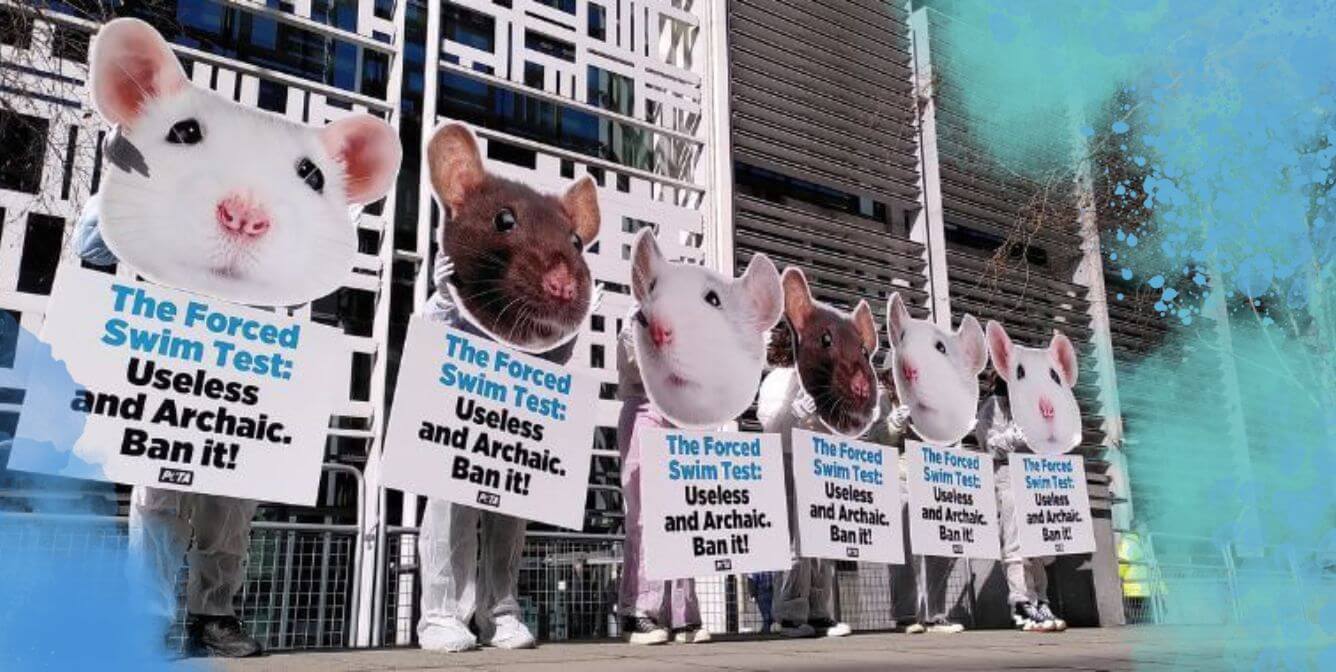
After hearing from PETA, Creative Biolabs cast aside the cruel and worthless forced swim test. The company confirmed that it will remove the test from its service platform and no longer offer or perform it, noting that the test is “no longer relevant for drug development efforts.”
Europe’s largest scientific and clinical organization in respiratory medicine ended its use of live animals in training courses.
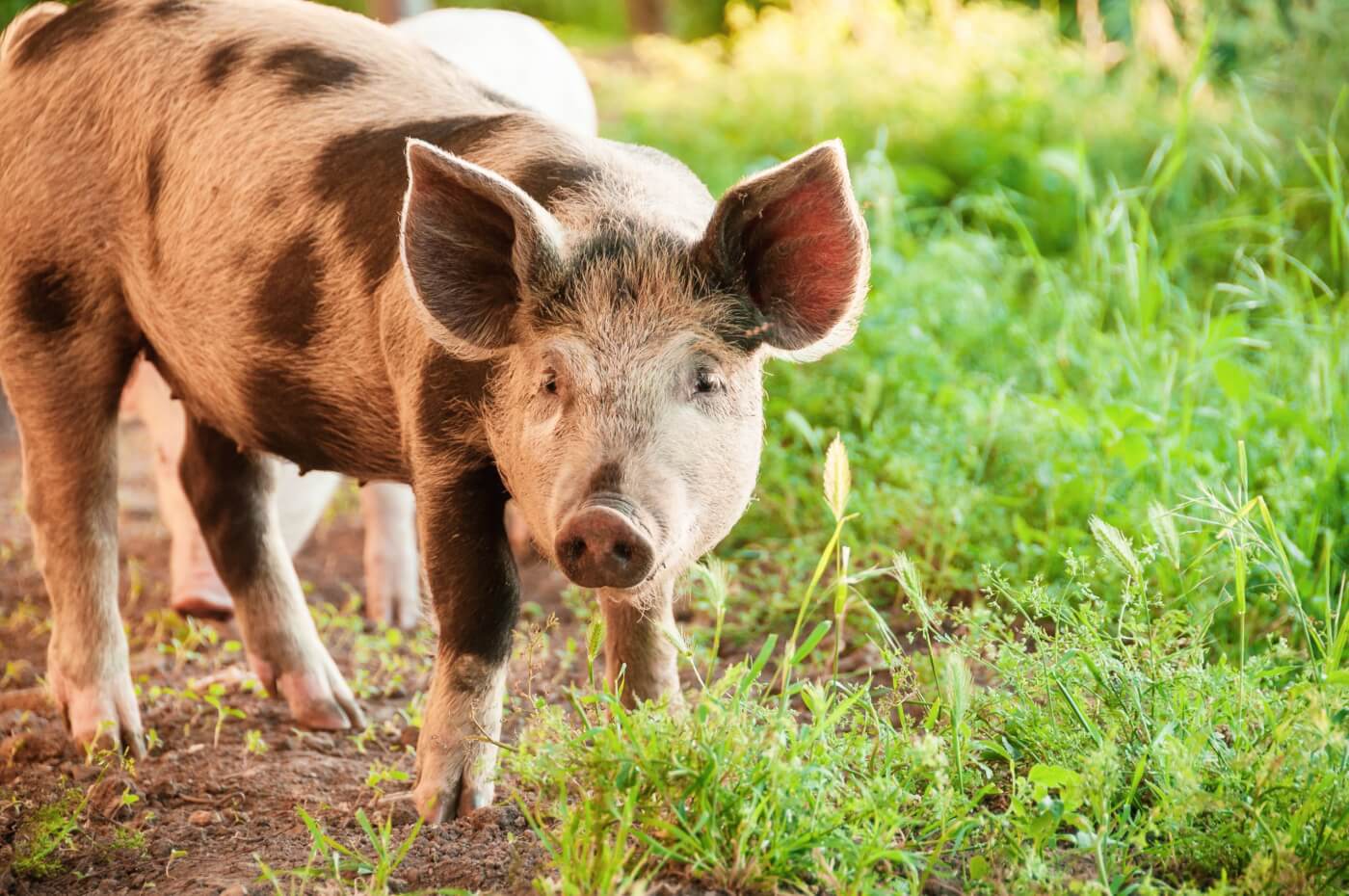
After working with PETA, the European Respiratory Society agreed to stop using live animals in medical training courses and switch to advanced, human-relevant simulators. Previously, trainees practiced invasive procedures on piglets, pigs, and sheep, including inserting tubes into their airways and cutting into their chests—painful exercises that are now ending.
UW-Madison launched an animal-free research fund.
More than a dozen companies stopped supporting the University of Wisconsin–Madison’s Food Research Institute, which has funded experimenters to force-fed mice parasite-infected feces and dose pregnant monkeys with listeria-contaminated cream before killing them. In response to our campaign, the institute then created a new non-animal research fund, allowing sponsors to support only animal-free studies and avoid paying for cruel, pointless tests.
Respected journals redacted bogus “research” by a laboratory PETA exposed.
After PETA exposed the Caucaseco Scientific Research Center in an 18-month investigation, two major journals took action based on information we provided. PLOS ONE retracted a paper because the experimenters lacked required permits, and another journal flagged four more studies over poor science, illegally captured monkeys, harm to wildlife, and an ongoing criminal investigation
Help Us Land More Historic Victories!
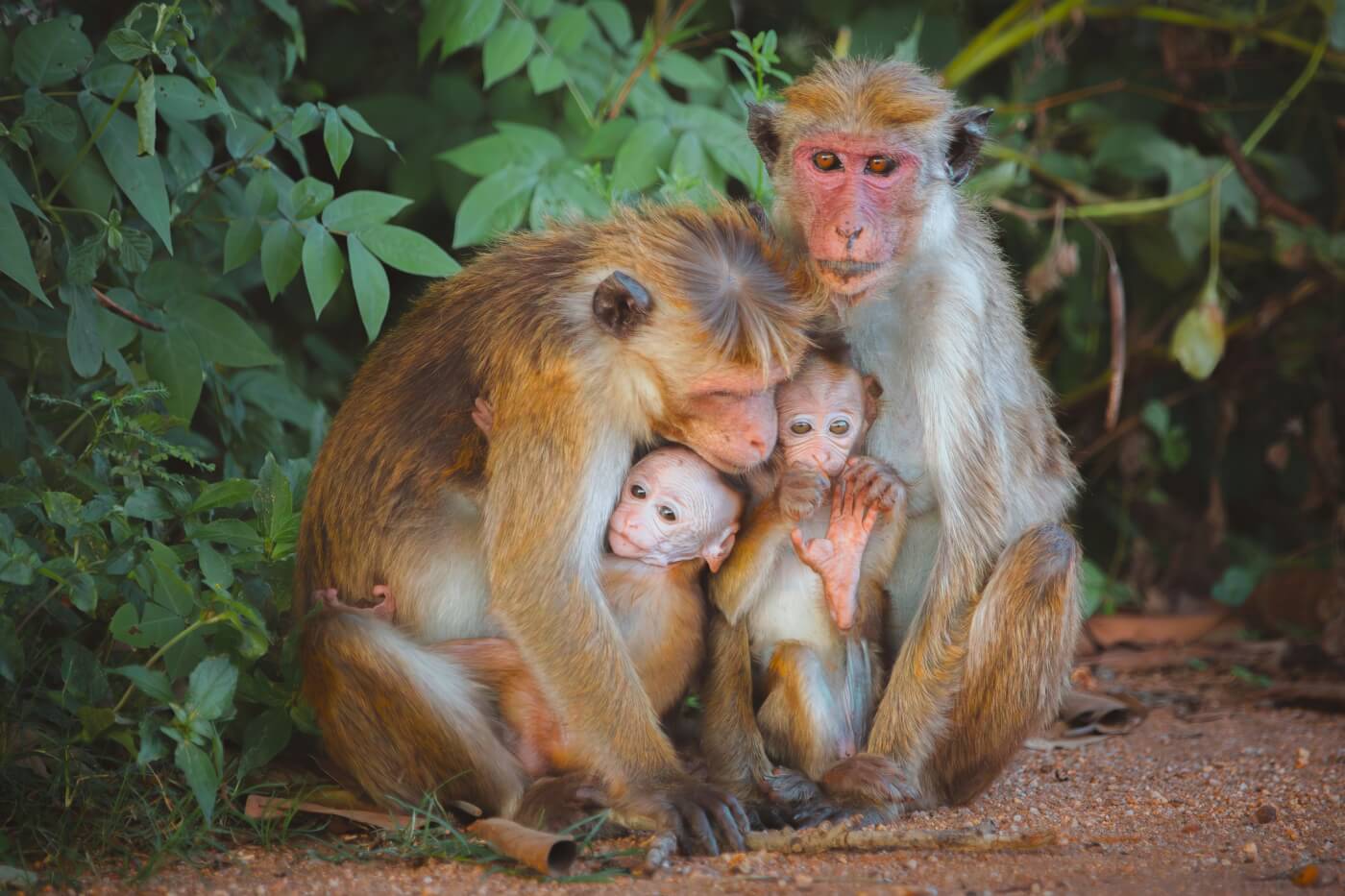
With every epic win, we’re one step closer to getting all animals out of laboratories—and shaping the future of research into one that’s humane, state-of-the-art, and rooted in human biology. Why? Because every animal is someone. Mice are family-oriented, playful, and curious. Monkeys are social and empathetic, and in nature, form deep, lifelong bonds with one another. These feeling individuals don’t belong in sterile laboratory cages.
The growing momentum for animal-free research wouldn’t be possible without the help of our kind supporters around the world, who have shared action alerts, joined us in demonstrations, pledged to use cruelty-free products, and more. You can help us achieve even more progress next year by speaking out against experiments on animals that are still being conducted.

Meet Liora, the sweet-spirited dog who went from living life at the end of a chain to a safe home.

Make room for plenty of favorites like Beyond Meat, Planet Oat, and Violife, along with all your pantry staples.

The world is mourning Dr. Biruté Galdikas, a tireless champion for our fellow primates and their forests.

